The Redbone Coonhound is a breed steeped in history and renowned for its striking appearance and exceptional hunting prowess. Often described as a ‘gentle giant’, this breed offers a unique blend of athleticism, loyalty, and a captivating, melodious bay. Understanding the specific needs and characteristics of the Redbone Coonhound is crucial for anyone considering adding one of these magnificent dogs to their family.
A History Rooted in American Hunting
The story of the Redbone Coonhound begins with Scottish and Irish hounds brought to the American colonies in the 18th century. These early hounds were selectively bred for their ability to track and tree raccoon and other game. The distinctive red hue, which gives the breed its name, gradually emerged through careful selection. The breed flourished in the rural South, becoming an indispensable companion for hunters. Their ability to work tirelessly for hours, even in challenging terrain, solidified their reputation as premier raccoon hunters. The Redbone Coonhound was officially recognized by the United Kennel Club in 1956 and later by the American Kennel Club in 2009.
Physical Characteristics
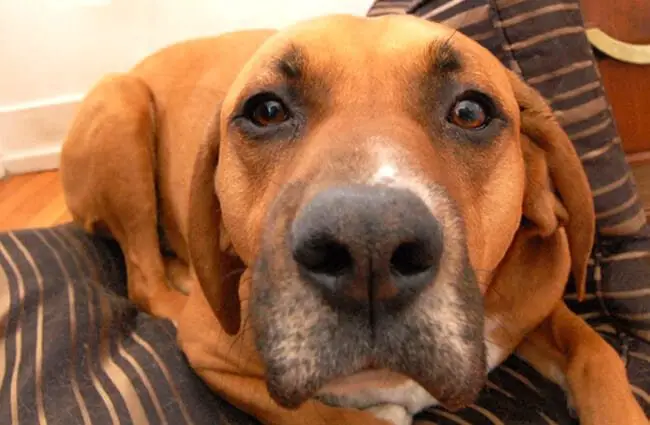
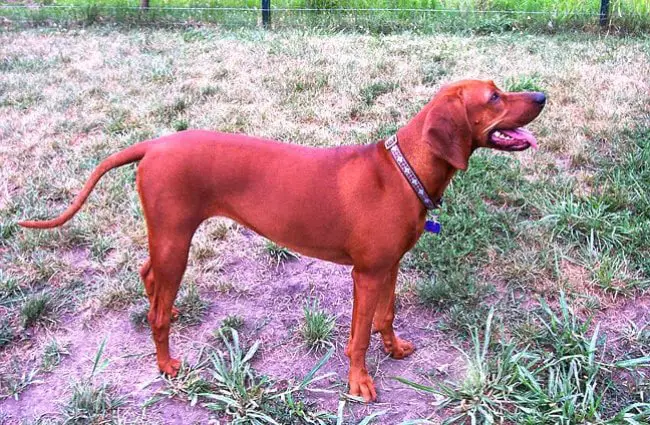
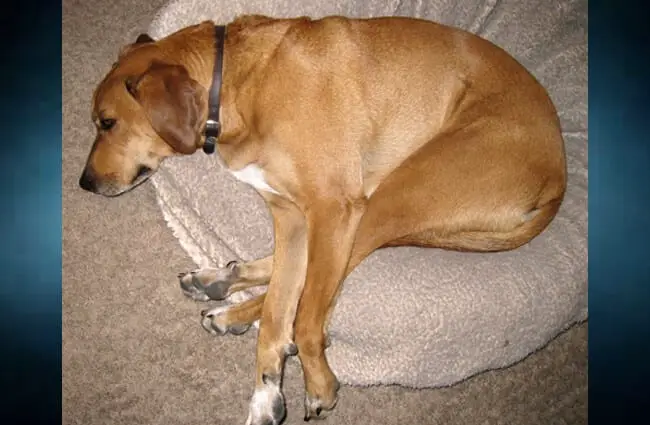
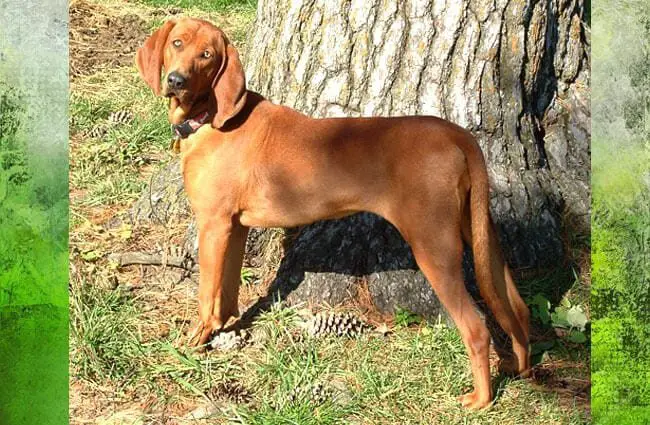
The Redbone Coonhound is a medium to large‑sized breed. Males typically stand 22 to 27 inches tall and weigh between 60 and 70 pounds. Females are slightly smaller, measuring 21 to 26 inches in height and weighing 50 to 60 pounds. The breed’s most defining characteristic is its rich, mahogany red coat, which is short, dense, and glossy. They possess a muscular build, indicative of their athleticism and endurance. Their ears are long and pendulous, and their eyes are typically dark brown, conveying a gentle and intelligent expression.
Grooming Requirements
Despite their short coat, Redbone Coonhounds do shed moderately year‑round. Weekly brushing with a firm‑bristle brush will help to remove loose hair and keep their coat healthy and shiny. Regular ear cleaning is crucial, as their long, floppy ears can be prone to infections. Nail trimming should be done as needed. Beyond these basic tasks, the Redbone Coonhound requires minimal grooming.
Temperament and Behavior
Redbone Coonhounds are known for their friendly, outgoing, and even‑tempered nature. They are affectionate with their families and generally good with children and other dogs. However, their strong hunting instincts can lead them to chase small animals, so caution is advised around cats and other pets. Due to their independent nature, early socialization and obedience training are essential. They can be stubborn at times, so patience and consistency are key. Redbone Coonhounds have a distinctive baying voice, which they use to communicate while tracking. While this is part of their charm, it’s important to consider whether this vocalization would be suitable for your living situation.
Exercise Needs
The Redbone Coonhound is an energetic breed that requires a significant amount of exercise. Daily walks, runs, or hikes are essential to keep them physically and mentally stimulated. They thrive in situations where they can utilize their tracking abilities. Providing opportunities for off‑leash exploration in safe, enclosed areas is highly recommended. Due to their stamina, they excel in canine sports such as tracking trials, scent work, and agility. Without sufficient exercise, they may become bored and destructive.
Caring for Your Redbone Coonhound
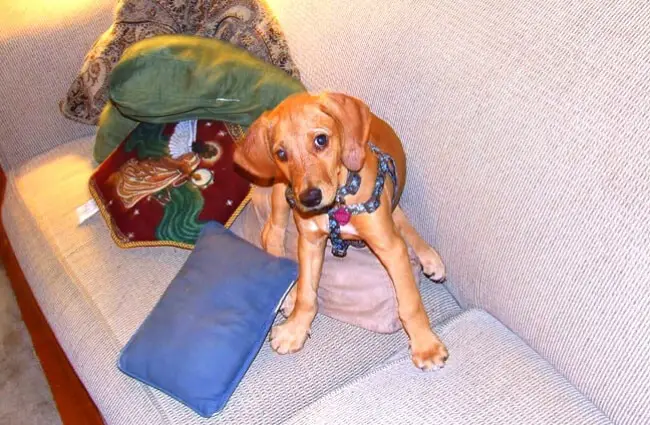
Providing a loving and stimulating environment is crucial for the well‑being of a Redbone Coonhound. They need a secure, fenced‑in yard to prevent them from wandering off in pursuit of game. Early socialization is vital to ensure they develop into well‑adjusted companions. Exposing them to various sights, sounds, and people from a young age will help them become confident and friendly. Positive reinforcement training methods are the most effective approach. Redbone Coonhounds respond well to rewards and praise.
Health Considerations
While generally a healthy breed, Redbone Coonhounds are prone to certain health conditions. Hip dysplasia, a genetic malformation of the hip joint, is a concern. Responsible breeders screen their dogs for this condition. Progressive retinal atrophy (PRA), a degenerative eye disease, can also occur. Regular veterinary checkups are essential for early detection and management of any health issues. Gastric dilatation‑volvulus (GDV), or bloat, is a life‑threatening condition that can affect deep‑chested breeds like the Redbone Coonhound. Feeding multiple smaller meals throughout the day can help reduce the risk. Owners should also watch for signs of heart disease, such as mitral valve disease, and for ear infections due to their long ears.
Is a Redbone Coonhound Right for You?
The Redbone Coonhound is a wonderful breed for active individuals or families who can provide them with the exercise, stimulation, and attention they need. They are loyal, affectionate, and possess a captivating personality. However, prospective owners should be prepared for their strong hunting instincts, vocal nature, and potential health concerns. If you are willing to commit to meeting their specific needs, a Redbone Coonhound can be a rewarding and cherished companion.
Advanced Considerations: The Bay and Tracking Drive
For those particularly interested in engaging their Redbone Coonhound’s natural abilities, understanding the nuances of their bay and tracking drive is vital. The bay is a melodious vocalization that serves as communication. When a Redbone Coonhound opens up on a scent, the tone and cadence of the bay change as they follow the trail, indicating distance, direction, and the animal’s movements. Encouraging scent work, even in a backyard setting, provides essential mental stimulation and taps into this innate behavior. Training can focus on controlled tracking, where the dog learns to follow a designated scent and indicate when they’ve treed it—even if it’s just a marker. This is not about eliminating the instinct but channeling it into a positive and enriching activity. Recognizing when the tracking drive is triggered—a scent on the wind, a rustle in the undergrowth—allows the owner to manage the situation responsibly and prevent unwanted pursuits. The Redbone Coonhound is not just a pet; it is a working dog at heart, and acknowledging that is key to a fulfilling relationship.
![Closeup of a beautiful Red Angus cowPhoto by: U.S. Department of Agriculture [pubic domain]https://creativecommons.org/licenses/by/2.0/](https://animals.net/wp-content/uploads/2020/03/Red-Angus-4-100x75.jpg "Red Angus")