A Comprehensive Guide to the Charming Pug
The pug, with its wrinkled face and endearing personality, has captivated hearts for centuries. This small dog, often described as “multum in parvo”, meaning “much in little”, packs a big personality into a compact frame. Beyond the comical appearance lies a history rich with royalty, a surprisingly complex temperament, and specific needs that prospective owners should understand. This guide delves into the world of pugs, offering a detailed exploration of their origins, characteristics, care, and potential health concerns.
History and Origins
The pug’s story begins in ancient China during the Han Dynasty, around 206 BC. These early pugs were closely associated with Chinese royalty and served as lap dogs valued for their charming personalities and small size. Evidence suggests they were initially bred from the Chinese Lo‑Sze, a slightly larger breed.
In the 17th century, pugs made their way to Europe and became popular in royal courts, especially in the Netherlands where the breed gained prominence. When William III of Orange ascended to the British throne in 1688, he brought his beloved pugs to England. From there, the breed became a symbol of status and affection, particularly during the Victorian era. It is said that Queen Victoria owned many pugs and even bred them, influencing the breed standard we know today. The breed’s association with royalty helped cement its place in history.
Physical Characteristics
Size and Weight
Pugs are a small breed, typically standing between 10 and 13 inches tall at the shoulder. Their weight usually ranges from 14 to 18 pounds, although individual pugs can vary slightly. Maintaining a healthy weight is crucial, as obesity can worsen existing health concerns.
Appearance
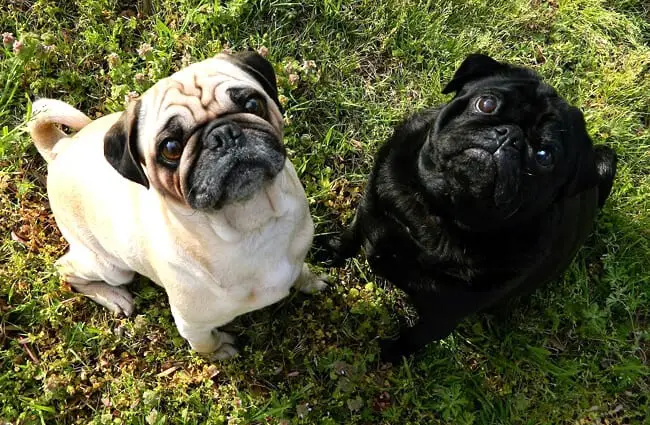
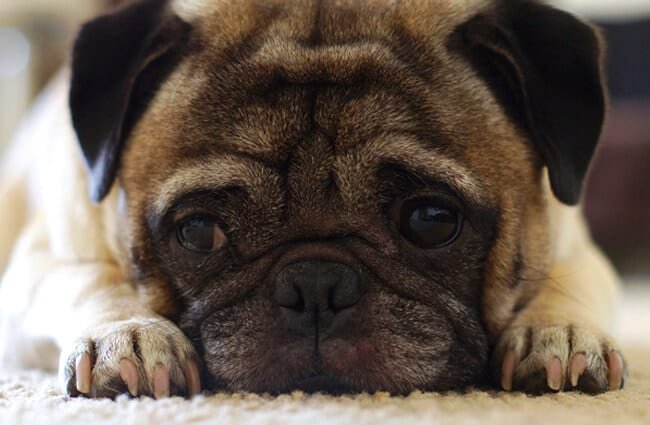
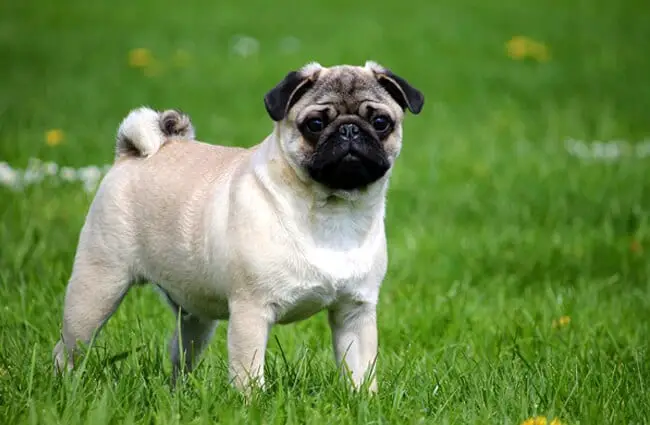
The most distinctive feature of the pug is its wrinkled face and short muzzle, a brachycephalic skull. This contributes to their endearing, almost human‑like expression. They have a compact, muscular body, a curled tail, and a glossy coat that comes in colors such as fawn, black, apricot, and silver. The breed standard dictates that a black mask should be present on lighter‑colored pugs.
Temperament and Behavior
Pugs are known for their playful, affectionate, and mischievous personalities. They thrive on human companionship and are often described as “shadows,” following their owners from room to room. They are generally good with children and other pets, but early socialization is important to ensure they develop into well‑adjusted adults.
Despite their playful nature, pugs are not overly energetic and are content with moderate exercise. However, their brachycephalic structure makes them prone to overheating, so they should not be overexerted, especially in warm weather. They can be somewhat stubborn, which can make training a bit challenging, but positive reinforcement methods are highly effective. Pugs also have a comical side, enjoying clowning around and entertaining their families. They are known for their grunts, snorts, and other amusing sounds.
Caring for Your Pug
Exercise
Pugs need daily physical activity to stay healthy and happy, though they do not require extensive exercise. A short walk or a playful session indoors will usually suffice. Avoid strenuous exercise, especially during hot or humid weather, and monitor for signs of overheating such as excessive panting, difficulty breathing, or weakness.
Grooming
Pugs have a double coat that sheds moderately year‑round. Regular brushing several times a week removes loose hair and minimizes shedding. Their wrinkles require special attention; cleaning the folds with a damp cloth prevents the buildup of dirt and bacteria that can lead to skin infections. Their nails should be trimmed regularly, and their ears cleaned to prevent ear infections.

Diet
Because pugs are prone to obesity, it is crucial to feed them a high‑quality diet and control portion sizes. Choose a dog food specifically formulated for small breeds, and avoid giving them table scraps. Monitor their weight regularly and adjust their food intake as needed. Feeding several smaller meals throughout the day instead of one large meal can also help maintain a healthy weight.
Health Considerations
Like all breeds, pugs are predisposed to certain health conditions. Understanding these potential issues is essential for providing them with the best possible care.
Brachycephalic Obstructive Airway Syndrome
Due to their shortened muzzle, pugs are susceptible to brachycephalic obstructive airway syndrome, which can cause breathing difficulties. Symptoms include noisy breathing, exercise intolerance, and overheating. In severe cases, surgery may be necessary to improve airflow.
Eye Problems
Pugs have prominent eyes that are prone to injuries and conditions such as corneal ulcers, proptosis (eye popping out of the socket), and progressive retinal atrophy. Regular eye exams are crucial for early detection and treatment.
Hip Dysplasia
Hip dysplasia is a genetic condition that affects the hip joint, leading to arthritis and pain. Responsible breeders screen their dogs for hip dysplasia before breeding to minimize the risk of passing on the condition.
Pug Dog Encephalitis (PDE)
PDE is a fatal inflammatory brain disease that affects pugs. The cause is unknown, but it is believed to be genetic. There is currently no cure for PDE.
Is a Pug Right for You?
Pugs are charming and delightful companions, but they are not the right breed for everyone. They require dedicated owners who understand their specific needs and are willing to provide them with the care they deserve. If you are looking for a playful, affectionate, and relatively low‑energy companion, a pug might be the perfect addition to your family. However, be prepared to address their potential health concerns and provide them with the attention and care they need to live a happy and fulfilling life.
Fun Facts About Pugs
- Pugs were once the official dog of the Chinese Imperial Court.
- The French Bulldog shares a similar appearance but has a different ancestry.
- Pugs have been featured in art and literature for centuries.
- They are known for their distinctive snorting sound.
- Pugs are surprisingly good swimmers.
![Closeup of a beautiful Red Angus cowPhoto by: U.S. Department of Agriculture [pubic domain]https://creativecommons.org/licenses/by/2.0/](https://animals.net/wp-content/uploads/2020/03/Red-Angus-4-100x75.jpg "Red Angus")