A Deep Dive into the Portuguese Podengo Pequeno
The Portuguese Podengo Pequeno, often simply called the Pequeno, is a diminutive but dynamic breed hailing from Portugal. These small hounds are bursting with personality, history, and a unique set of traits that make them captivating companions. While not as widely known as some other breeds, the Pequeno is gaining popularity among those seeking an intelligent, active, and somewhat independent dog. This article explores the breed’s origins, characteristics, care requirements, and what potential owners should know before welcoming a Pequeno into their lives.

Origins and History
The Podengo Pequeno is an ancient breed, tracing its roots back to the Iberian Peninsula. Their ancestors likely arrived with the Moors, and they were refined in Portugal over centuries as rabbit and hare hunters. The word Podengo derives from a term meaning hunter, reflecting the breed’s origins as a working dog. These dogs were never bred for show; they were valued for their tenacity, stamina, and keen hunting instincts. Historically, they worked in packs, driving game from dense brush. Their small size allowed them to navigate difficult terrain. There are three sizes of Podengo – Grande, Medio, and Pequeno – each adapted to different game and environments. The Pequeno specifically focused on rabbits and other small prey in burrows and open fields.
Physical Characteristics
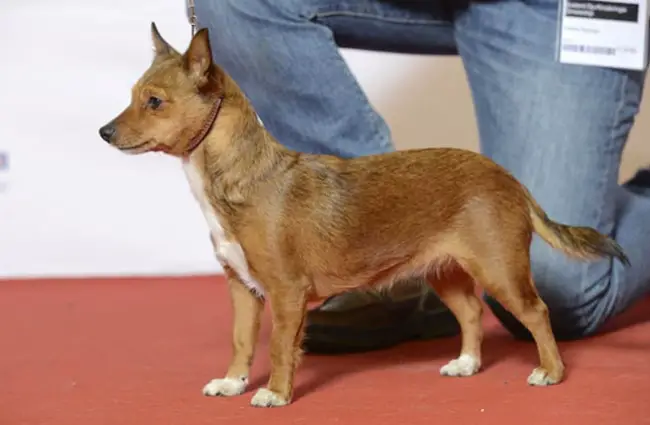
The Portuguese Podengo Pequeno is a small breed, typically standing between 8 and 12 inches tall at the shoulder. They generally weigh between 9 and 13 pounds. Their build is lean and athletic, reflecting their hunting heritage. They possess a wedge-shaped head, erect ears, and a strong jaw. Their tail is carried high, often curled, and serves as a visual indicator of their mood.
The Pequeno comes in two coat types – smooth and wire hair. Both coat types are short and dense, providing adequate protection from the elements. Accepted coat colors include yellow, fawn, black, and combinations thereof, often with white markings. Their expressive eyes convey intelligence and alertness.

Temperament and Behavior
The Portuguese Podengo Pequeno is known for its lively and energetic temperament. These are intelligent dogs with a strong prey drive. They are naturally curious and enjoy exploring their surroundings. While affectionate with their families, they can be somewhat reserved with strangers. Early socialization is crucial to ensure they develop into well-adjusted adults.
The Pequeno’s hunting instincts mean they have a tendency to chase. Secure fencing is essential, as they can quickly disappear if given the opportunity. They are also vocal dogs, often using their voice to express excitement or alert their owners to potential threats. This can make them effective watchdogs, but it also means training is important to manage excessive barking. They aren’t typically aggressive, but their boldness means they will not back down easily from perceived challenges.

Care Requirements
Exercise
Despite their small size, Portuguese Podengo Pequenos require a surprising amount of exercise. Daily walks, playtime, and mental stimulation are essential to keep them happy and well-behaved. They excel in dog sports like agility, flyball, and scent work. A bored Pequeno can become destructive, so providing plenty of outlets for their energy is crucial.
Grooming
Grooming requirements are relatively low. The smooth-haired variety requires occasional brushing to remove loose hair, while the wirehair variety benefits from stripping a few times a year. Regular nail trimming and dental care are also important. Their short coat doesn’t trap dirt or moisture easily, making them relatively clean dogs.
Training
Portuguese Podengo Pequenos are intelligent but can be independent and stubborn. Positive reinforcement training methods are most effective. Consistency and patience are key. They respond well to rewards-based training and enjoy learning new tricks. Early obedience training and socialization are essential to address their independent nature and ensure they develop into well-mannered companions.

Health Considerations
The Portuguese Podengo Pequeno is generally a healthy breed, but like all breeds, they are prone to certain health conditions. These can include patellar luxation, progressive retinal atrophy, and allergies. Responsible breeders will screen their dogs for these conditions to minimize the risk of passing them on to their puppies. Regular veterinary checkups are essential for maintaining their health and detecting any potential problems early on.
Is a Portuguese Podengo Pequeno Right for You?
The Portuguese Podengo Pequeno is a wonderful breed for the right owner. They are energetic, intelligent, and affectionate companions. However, they are not a good fit for everyone. They require a significant amount of exercise, mental stimulation, and training. They can be independent and stubborn, so patience and consistency are essential. They also have a strong prey drive, so secure fencing is a must. If you are an active person who is willing to dedicate the time and effort to meet their needs, a Portuguese Podengo Pequeno could be the perfect addition to your family.
Beyond the Basics: Understanding Podengo Peculiarities
Beyond the standard breed characteristics, Podengos have a few unique traits. Their point, a stiffening of the body and raising of the front legs when tracking a scent, is a fascinating sight. They are often described as velcro dogs, intensely loyal and wanting to be near their owners. This strong bond can be incredibly rewarding, but it also means they may suffer from separation anxiety if left alone for extended periods. Finally, understanding their history as hunters can help owners manage their behavior. Providing opportunities to hunt through scent work games or puzzle toys can channel their energy in a positive way.



![Closeup of a beautiful Red Angus cowPhoto by: U.S. Department of Agriculture [pubic domain]https://creativecommons.org/licenses/by/2.0/](https://animals.net/wp-content/uploads/2020/03/Red-Angus-4-100x75.jpg "Red Angus")