The Poodle, a breed synonymous with elegance and intelligence, holds a surprisingly rich and multifaceted history. Often perceived as a ‘fancy’ dog, the Poodle is far more than just a stylish companion; it’s a versatile athlete, a dedicated worker, and a profoundly loyal friend. This article delves into the captivating world of the Poodle, exploring its origins, characteristics, care requirements, and the nuances that make it a truly exceptional breed.

A History Rooted in Utility
Contrary to popular belief, the Poodle didn’t originate in France. Its ancestors were the German Pudelhund, meaning ‘puddle dog’. These weren’t the pampered pets we recognize today, but robust, water‑retrieving dogs used by waterfowl hunters. The distinctive Poodle clip wasn’t about fashion; it was a practical measure. The shaved body protected vital organs from the cold water, while the remaining hair on the legs and chest provided insulation and traction. The short hair on the legs, often called pom‑poms, helped with traction and protected joints from cold water.
As the breed’s popularity spread, particularly to France, its role evolved. Poodles became beloved companions of nobility and circus performers, celebrated for their intelligence and trainability. The breed diversified into three distinct sizes—Standard, Miniature, and Toy—each retaining the core Poodle characteristics.
Size, Weight and Variations
The Poodle family offers a size to suit most lifestyles:
- Standard Poodle: The largest, standing 15 to 22 inches tall at the shoulder and weighing 45 to 70 pounds. They are energetic and require substantial exercise.
- Miniature Poodle: 10 to 15 inches tall and weighing 15 to 28 pounds. Miniatures are playful and adaptable, making excellent companions for active families or individuals.
- Toy Poodle: The smallest, under 10 inches tall and weighing 6 to 12 pounds. Toy Poodles are affectionate and portable, but require gentle handling due to their delicate size.
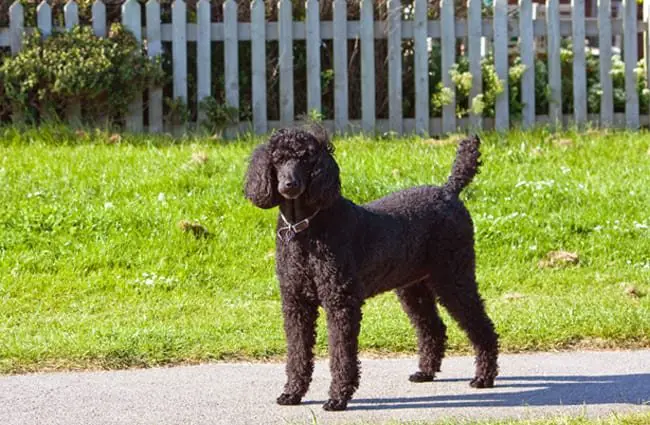
While coat color is varied, common shades include black, white, apricot, cream, gray, and brown. Parti‑colored and phantom patterns are also seen.
Temperament and Behavioral Traits
Poodles are renowned for their intelligence. They consistently rank among the smartest dog breeds, making them quick learners and eager to please. This intelligence, however, requires mental stimulation. Without adequate enrichment, they can become bored and destructive. Puzzle toys, obedience training, and interactive games are essential to keep their minds engaged.
They are also exceptionally athletic and enjoy a variety of activities, including swimming, agility, and fetch. Their playful and energetic nature makes them wonderful companions for active individuals and families. Poodles are generally good with children, especially when properly socialized from a young age. However, their sensitivity means they don’t respond well to rough handling.
While generally friendly, Poodles can be somewhat reserved with strangers. Early socialization is crucial to ensure they develop into well‑adjusted adults. They have a strong sense of loyalty and form close bonds with their families.
Caring for Your Poodle
Grooming – A Commitment to Beauty
The Poodle’s curly coat is hypoallergenic, meaning it produces less dander than many other breeds. However, it requires regular grooming to prevent matting. Professional grooming every 4 to 6 weeks is recommended, along with daily brushing at home. Owners often learn to perform basic grooming tasks themselves, such as trimming around the eyes and paws.
The traditional Poodle clip requires skill and experience. Alternative clips, such as the puppy clip or sporting clip, are easier to maintain at home.
Exercise and Mental Stimulation
Poodles need regular exercise to stay healthy and happy. Standard Poodles require at least an hour of vigorous activity per day, while Miniatures and Toys need less. Daily walks, playtime, and mental stimulation are essential.
Mental enrichment can include puzzle toys, obedience training, trick training, and interactive games. Poodles thrive on challenges and enjoy learning new things.
Diet and Nutrition
A high‑quality dog food formulated for their age, size, and activity level is essential. Avoid foods with excessive fillers, artificial colors, and preservatives. Monitor their weight and adjust their food intake as needed. Poodles can be prone to bloat, so feeding them multiple smaller meals per day is recommended.
Health Considerations
While generally healthy, Poodles are prone to certain genetic health conditions, including:
- Hip Dysplasia: A malformation of the hip joint.
- Progressive Retinal Atrophy (PRA): A degenerative eye disease.
- Von Willebrand’s Disease: A blood clotting disorder.
- Addison’s Disease: A hormonal disorder.
Reputable breeders screen their dogs for these conditions, reducing the risk of passing them on to their puppies. Regular veterinary checkups are essential for early detection and treatment.
Beyond the Fluff: Poodle Skills and Talents
The Poodle’s intelligence and athleticism extend beyond companionship. They excel in various canine sports and working roles:
- Agility: Poodles are quick and agile, making them excellent agility competitors.
- Obedience: Their eagerness to please and trainability make them top performers in obedience trials.
- Water Rescue: Their water‑retrieving heritage makes them natural swimmers and capable water rescue dogs.
- Therapy Work: Their gentle temperament and affectionate nature make them excellent therapy dogs, bringing comfort and joy to those in need.
Historically, Poodles were also used as circus performers, demonstrating their incredible athleticism and trainability.
The Poodle is a breed that consistently surprises and delights. Beneath the elegant exterior lies a spirited, intelligent, and versatile companion. With proper care, training, and socialization, a Poodle can bring years of joy and companionship to the right owner.
![Closeup of a beautiful Red Angus cowPhoto by: U.S. Department of Agriculture [pubic domain]https://creativecommons.org/licenses/by/2.0/](https://animals.net/wp-content/uploads/2020/03/Red-Angus-4-100x75.jpg "Red Angus")