A Comprehensive Guide to the Pomeranian
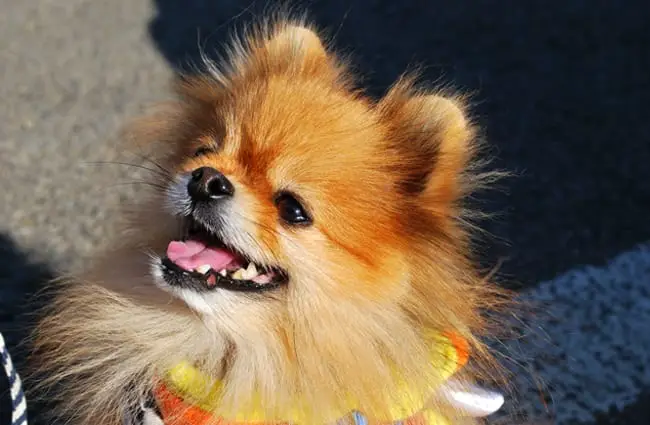
The Pomeranian, often affectionately called a Pom, is a delightful breed celebrated for its fluffy coat, vivacious personality, and surprisingly robust history. While today’s Pomeranian is largely recognized as a companion animal, its origins are far from the lapdog image it projects. This guide delves into the fascinating world of the Pomeranian, exploring its habitat, evolution, behavior, and its unique place in both the natural world and human society.
Origins and Evolutionary History
The Pomeranian’s story begins with larger Spitz-type dogs originating from the region of Pomerania, a region in Northern Europe that encompasses parts of modern-day Germany and Poland. These ancestral dogs were working animals, utilized for tasks like sledding, herding, and guarding. They were substantially bigger than the Pomeranians we know today, often weighing upwards of 30 pounds.
The breed’s dramatic reduction in size occurred in the 19th century, primarily in England. Queen Victoria’s fondness for the smaller varieties of Pomeranians helped popularize the miniature version of the breed, establishing the standard for the charming, diminutive Pomeranian that is popular today. The earliest small Poms were traced to black and red lines.
Habitat and Distribution
Historically, the Pomeranian inhabited the cooler climates of Northern Europe, specifically the Pomeranian region. These dogs were adapted to withstand harsh weather conditions, thanks to their dense double coat.
Today, the Pomeranian is a globally distributed breed. As a companion animal, it is found in homes worldwide, from bustling urban centers to rural landscapes. They are not suited to harsh outdoor environments without human care. They are adaptable to various climates; however, care must be taken in extreme heat to avoid overheating due to their thick coat.
Physical Characteristics and Adaptations
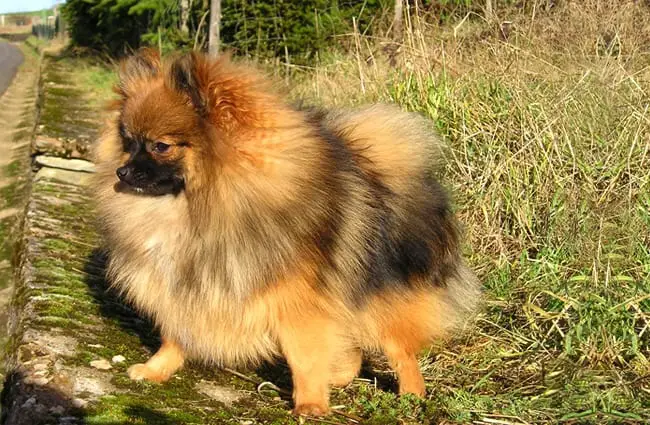
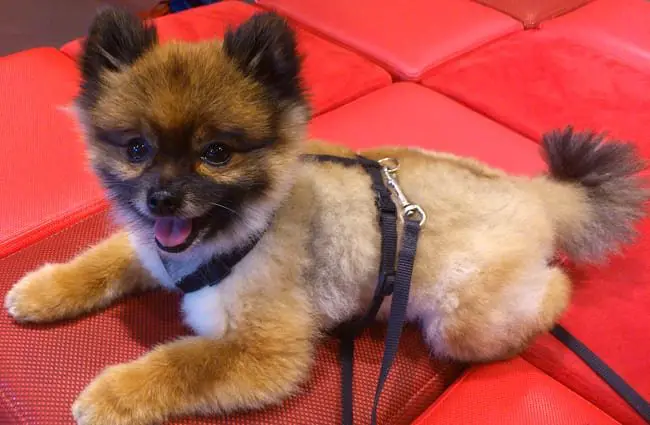
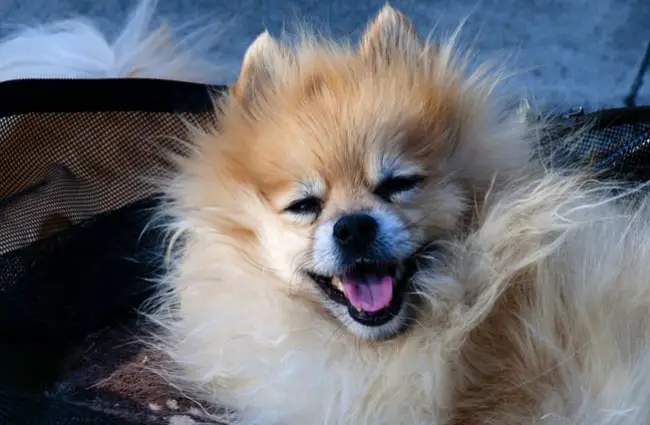
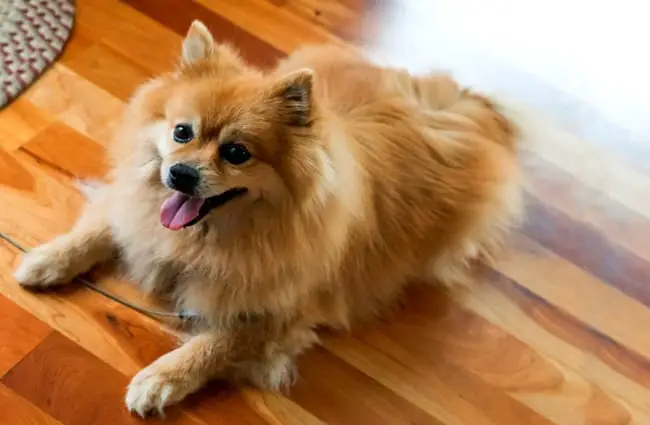
The defining feature of the Pomeranian is its luxurious double coat. The outer coat is long, straight, and stands off from the body, creating the breed’s signature fluffiness. The undercoat is soft, dense, and provides insulation. This coat served a crucial purpose for the breed’s ancestors, protecting them from the cold.
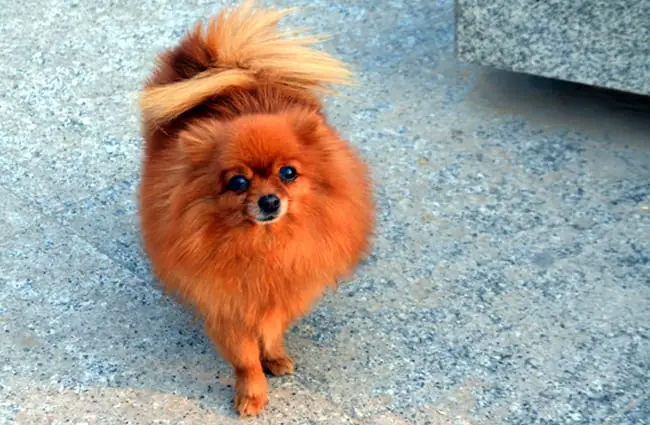
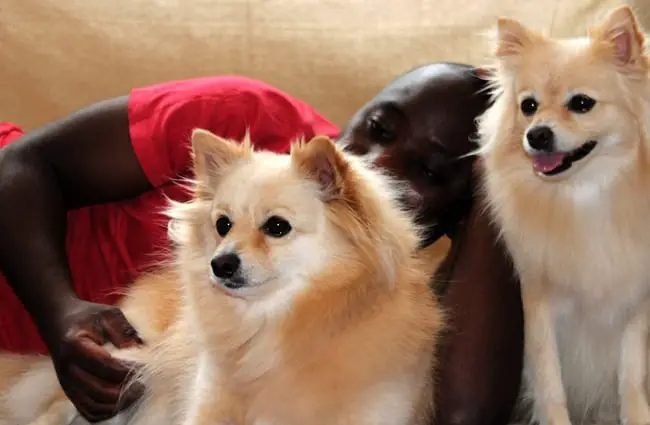
Pomeranians typically weigh between three and seven pounds and stand around six to seven inches tall. Their small size, coupled with their energetic nature, makes them surprisingly agile. They possess a wedge-shaped head, erect ears, and a plumed tail that curls over their back. A variety of coat colors are accepted, including orange, red, cream, sable, black, white, and parti-color.
Diet and Foraging Behavior
As domesticated animals, Pomeranians rely entirely on humans for their dietary needs. A high-quality dog food formulated for small breeds is essential to meet their nutritional requirements. Portion control is crucial, as Pomeranians can be prone to weight gain.
Historically, the ancestors of Pomeranians would have consumed a diet of meat, fish, and whatever else they could scavenge or hunt. Today’s Pomeranian enjoys a more refined palate, often indulging in the occasional treat, though moderation is key.
Mating and Reproduction
Pomeranians typically reach sexual maturity between six and nine months of age. The estrous cycle in females lasts approximately three weeks, with peak fertility occurring around the tenth to fourteenth day.
Gestation lasts around 60 to 63 days. Litter sizes typically range from one to five puppies, with an average of three. Newborn puppies are completely dependent on their mother and require warmth, nourishment, and protection. Due to their small size, Pomeranian puppies are vulnerable and require careful handling. Responsible breeders prioritize the health and well-being of both the mother and puppies.
Social Behavior and Communication
Pomeranians are known for their lively and playful personalities. They are intelligent dogs that enjoy learning and responding to training. They can be prone to excessive barking, especially if not properly socialized and stimulated.
Pomeranians communicate through a variety of vocalizations, body language, and scent marking. They use barks, growls, and whimpers to express their emotions and intentions. Body language, such as tail wags and ear positions, also plays a significant role in their communication. They are often described as “big dogs in small bodies,” exhibiting confidence and assertiveness despite their size.
Ecological Role and Interactions with Other Animals
As a domesticated breed, the Pomeranian has limited direct impact on the natural ecosystem. However, its presence in urban and suburban environments can indirectly influence local wildlife populations. For example, their barking can startle birds or other small animals.
Pomeranians typically coexist peacefully with other dogs and cats, especially if they have been socialized from a young age. However, their small size makes them vulnerable to larger animals. Supervision is always recommended when Pomeranians interact with other pets.
Pomeranians and Human Culture
Throughout history, Pomeranians have held a special place in human culture. Queen Victoria’s fondness for the breed popularized it among the aristocracy and upper classes. Famous historical figures such as Marie Antoinette were known to own Pomeranians.
Pomeranians have been featured in numerous works of art, literature, and film. Their adorable appearance and spirited personalities have made them beloved companions for centuries. Today, Pomeranians continue to be popular pets, cherished for their loyalty, intelligence, and affectionate nature.
Interacting with Pomeranians in the Wild (and Recognizing Potential Issues)
While highly unlikely to encounter a Pomeranian in a truly “wild” setting, it is possible to find one that has strayed or escaped. If you encounter a loose Pomeranian, approach cautiously and avoid sudden movements. The dog may be frightened and defensive.
Observe the dog’s body language. If it appears friendly and approachable, you can attempt to lure it with food or water. However, if it appears aggressive or fearful, maintain a safe distance and contact local animal control or a rescue organization. Never attempt to restrain a dog that is exhibiting aggressive behavior.
Caring for Pomeranians in Captivity (Zoo/Rescue Setting)
Providing optimal care for Pomeranians in a captive environment requires attention to several key areas. A clean, comfortable enclosure with appropriate bedding is essential. Daily exercise and mental stimulation are crucial to prevent boredom and behavioral problems.
Grooming is particularly important for Pomeranians, as their dense coat requires regular brushing to prevent matting and tangles. A balanced diet formulated for small breeds should be provided, with portion sizes adjusted to maintain a healthy weight. Regular veterinary check‑ups are essential to monitor for any health issues.
Interesting Facts About Pomeranians
- Pomeranians were once much larger, weighing up to 30 pounds.
- Queen Victoria’s preference helped popularize the smaller Pomeranian.
- Pomeranians are known for their intelligence and trainability.
- They have a double coat that requires regular grooming.
- Pomeranians are prone to certain health issues, such as patellar luxation and tracheal collapse.
- They are relatively long‑lived, with an average lifespan of 12 to 16 years.
- Pomeranians are often referred to as “fluffy balls of energy.”
- Famous Pomeranians include Jiff the Pomeranian, an internet celebrity with millions of followers.
Conclusion
The Pomeranian is a captivating breed with a rich history and a delightful personality. From its humble origins as a working dog to its current status as a beloved companion animal, the Pomeranian has captured the hearts of people around the world. Understanding its history, characteristics, and care requirements is essential for ensuring a happy and healthy life for this remarkable breed. Whether you are a seasoned dog lover or simply curious about these fluffy companions, the Pomeranian is sure to leave a lasting impression.

![Closeup of a beautiful Red Angus cowPhoto by: U.S. Department of Agriculture [pubic domain]https://creativecommons.org/licenses/by/2.0/](https://animals.net/wp-content/uploads/2020/03/Red-Angus-4-100x75.jpg "Red Angus")