A Deep Dive into the Petit Basset Griffon Vendéen
The Petit Basset Griffon Vendéen, often affectionately called the PBGV, is a charming and relatively uncommon breed with a rich history and a distinctive personality. This French scent hound is gaining popularity, and for good reason. But is this breed the right fit for prospective owners? This article explores everything from the PBGV’s origins and physical characteristics to its behavioral traits and care requirements, providing a comprehensive guide for those considering welcoming one of these delightful dogs into their lives.
Historical Roots
The PBGV’s story begins in France in the 19th century. It was developed by the French aristocracy, specifically in the Vendéen region of western France, where these dogs were bred for hunting small game such as rabbits and hare. The Petit in the name indicates its smaller size compared to the Grand Basset Griffon Vendéen. Hunters favored them for on‑foot work because their shorter legs allowed them to keep pace. After both World Wars the breed nearly disappeared, but dedicated breeders worked tirelessly to revive it. It gained official recognition from the Société Centrale Canine and arrived in North America in the late 1980s, achieving full American Kennel Club recognition in 1997.
Physical Characteristics
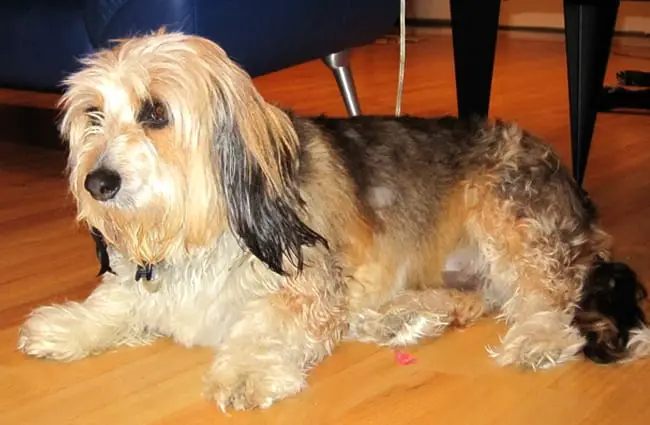
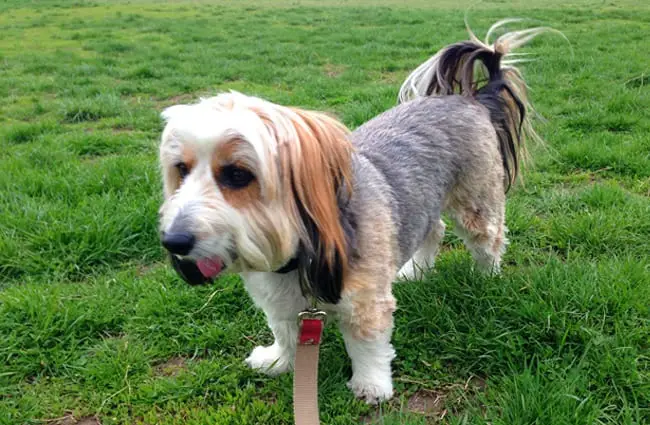
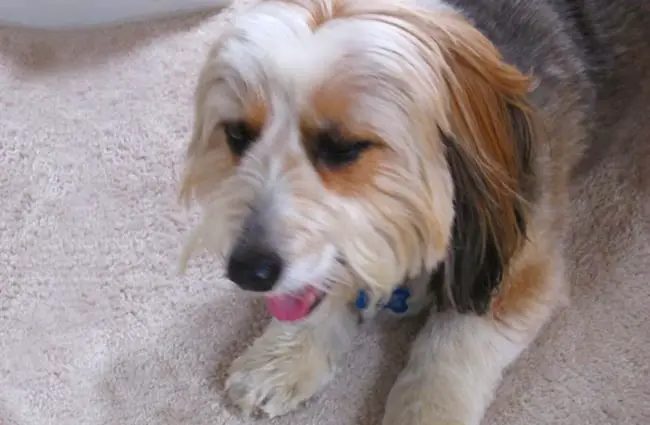
The PBGV is instantly recognizable by its low‑set body, long ears, and expressive face. They typically stand between 13 and 15 inches tall at the shoulder and weigh between 25 and 40 pounds. Their coat is medium‑length, rough, and often described as harsh. The coloration is typically a combination of white with sable, orange, lemon, or black markings. A distinctive feature is their beard and mustache formed by longer hair around the muzzle. Regular grooming is necessary to maintain the coat’s health and prevent matting. Their feet are remarkably cat‑like, possessing agility and a degree of climbing skill and a trait that is often surprising to new owners.
Temperament and Behavioral Traits
PBGVs are known for their cheerful, outgoing, and often comical personalities. They are affectionate with their families and enjoy being involved in household activities. However, they are also independent thinkers with a strong hunting drive. This combination can sometimes lead to stubbornness during training. Early socialization and consistent, positive reinforcement training are crucial. They are scent hounds, meaning they follow their noses. A securely fenced yard is essential, as they will wander off if given the opportunity. While generally good with children, supervision is always recommended, especially with younger children, due to the dog’s energetic nature. They are often described as happy go lucky and can be surprisingly vocal, using a variety of barks, howls, and baying sounds.
Care Requirements: Keeping Your PBGV Happy and Healthy
Providing adequate care for a PBGV involves more than just food and water. Here’s a breakdown of essential needs:
- Exercise: PBGVs require a moderate amount of exercise—about 30 to 60 minutes of activity daily. Walks, play sessions, and puzzle toys are all excellent options.
- Grooming: Their rough coat needs brushing several times a week to prevent matting and remove loose hair. Professional grooming may be necessary a few times a year.
- Diet: A high‑quality dog food appropriate for their age and activity level is essential. Monitor their weight to prevent obesity.
- Training: Early socialization and consistent, positive reinforcement training are crucial. Consider obedience classes or working with a professional trainer.
- Healthcare: Regular veterinary checkups, vaccinations, and parasite prevention are essential. PBGVs are prone to certain health conditions, discussed in the next section.
Health Considerations
While generally a healthy breed, PBGVs are prone to certain health conditions:
- Hip Dysplasia: A genetic condition affecting the hip joint. Responsible breeders screen their dogs for this condition.
- Elbow Dysplasia: Similar to hip dysplasia, but affecting the elbow joint.
- Progressive Retinal Atrophy (PRA): A degenerative eye disease that can lead to blindness.
- Patellar Luxation: A condition where the kneecap dislocates.
- Gastric Dilatation Volvulus (Bloat): A life‑threatening condition where the stomach fills with gas and twists.
Choosing a reputable breeder who screens their dogs for these conditions can significantly reduce the risk. Regular veterinary checkups are also essential for early detection and treatment.
Beyond the Basics: Understanding the PBGV Mindset
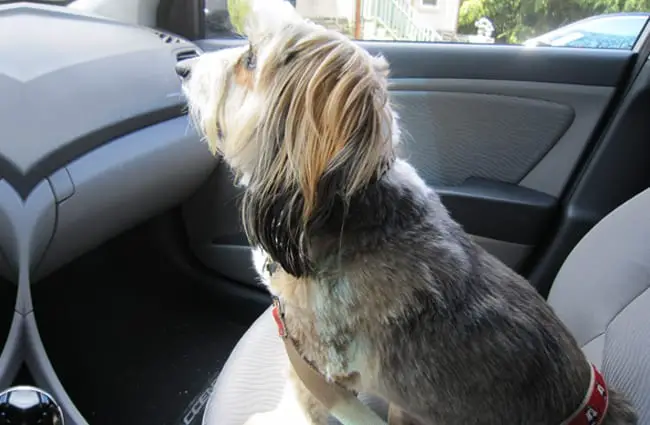
To truly appreciate a PBGV, it’s important to understand their hunting background. These dogs were bred to work independently, following a scent trail for hours. This ingrained instinct influences their behavior. They are not always eager to please in the traditional sense. They may seem stubborn or easily distracted, but they are simply following their noses. This means training requires patience, consistency, and a lot of positive reinforcement. Using high‑value rewards and keeping training sessions short and engaging is key. They excel in scent work and tracking activities, providing a great outlet for their natural instincts.

Is a Petit Basset Griffon Vendéen Right for You?
The Petit Basset Griffon Vendéen is a delightful and rewarding breed for the right owner. They are affectionate, playful, and full of character. However, they are not a breed for everyone. They require a dedicated owner who is willing to provide consistent training, plenty of exercise, and a securely fenced yard. If you are looking for a low‑maintenance dog, this is not the breed for you. But if you are looking for a loyal companion with a big personality, the PBGV may be the perfect fit.
Ultimately, understanding the breed’s history, temperament, and care requirements is crucial for making an informed decision. A well‑cared‑for PBGV will bring years of joy and companionship to your life.

![Closeup of a beautiful Red Angus cowPhoto by: U.S. Department of Agriculture [pubic domain]https://creativecommons.org/licenses/by/2.0/](https://animals.net/wp-content/uploads/2020/03/Red-Angus-4-100x75.jpg "Red Angus")