
The Pembroke Welsh Corgi, a breed instantly recognizable for its short legs, long body, and expressive face, holds a unique place in canine history and in the hearts of dog lovers worldwide. Often described as a ‘small dog with a big personality’, the Corgi is far more than just a charming companion. This article delves into every facet of this remarkable breed, from its origins and physical characteristics to its behavioral traits and specific care needs.

A History Rooted in Herding
The Pembroke Welsh Corgi’s story begins in Pembrokeshire, Wales, where they were originally bred as herding dogs. Their ancestry is a fascinating blend, with theories suggesting descent from the Teckel family – German Spitz-type dogs brought to Wales by Flemish weavers in the 12th century – and native Welsh herding dogs. These working dogs were invaluable to Welsh farmers, driving cattle and sheep, and even guarding the farm. Unlike some herding breeds that nip at heels, Corgis were known for heeling, which involves driving livestock by nipping at their heels and dodging kicks. This required intelligence, agility, and a surprisingly bold temperament.
Physical Characteristics: Compact and Capable
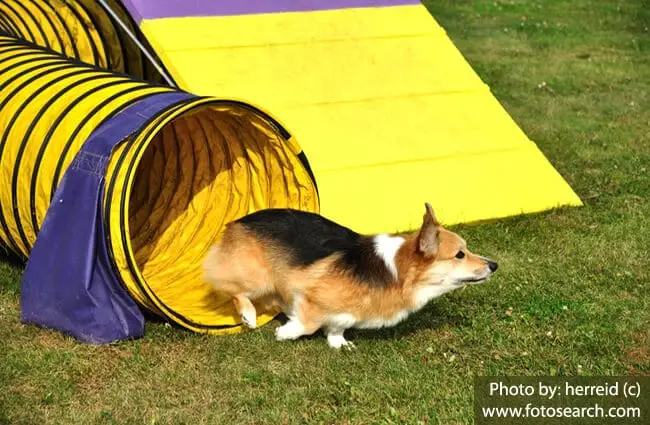
Corgis are immediately recognizable due to their distinctive physique. They are low‑set, sturdy dogs, averaging between 10 and 12 inches in height and weighing between 25 and 30 pounds. Their bodies are longer than they are tall, and their short legs contribute to their endearing waddle. Corgis possess a double coat: a dense, weather‑resistant undercoat and a longer, coarser outer coat. Common coat colors include red, sable, fawn, black and tan, with or without white markings. A significant characteristic is the ‘foxy’ appearance of the head, with erect ears and a slightly pointed muzzle. It’s important to note that many Pembroke Welsh Corgis have naturally short tails, while others are docked shortly after birth, contributing to their compact appearance.
Temperament and Behavior: Intelligence and Playfulness
Beyond their physical charm, Corgis boast a vibrant and engaging personality. They are intelligent, playful, and affectionate dogs, forming strong bonds with their families. Their herding instincts remain strong, meaning they may exhibit a tendency to herd children or other pets, a behavior that can be redirected with appropriate training. Corgis are known for being vocal dogs, often using a variety of barks and yips to communicate. They are also surprisingly bold and confident, sometimes displaying a seemingly boundless energy. Despite their small stature, Corgis can be quite protective of their home and family, making them effective watchdogs. Early socialization is crucial to ensure they are well‑adjusted and comfortable in various situations.
Caring for Your Pembroke Welsh Corgi
Owning a Corgi is a rewarding experience, but it does require a commitment to meeting their specific needs.
Exercise and Mental Stimulation
Despite their short legs, Corgis are active dogs and require regular exercise. Daily walks, play sessions, and puzzle toys are essential to keep them physically and mentally stimulated. They excel in canine sports such as agility, obedience, and herding trials. A bored Corgi can quickly become destructive, so providing ample opportunities for exercise and mental enrichment is key.

Grooming
Corgis are moderate shedders, particularly during seasonal changes. Regular brushing, ideally several times a week, will help remove loose hair and minimize shedding. They also benefit from occasional bathing. It’s important to check their ears regularly for signs of infection and keep their nails trimmed.
Diet and Nutrition
A high‑quality dog food formulated for small to medium breeds is essential. It’s important to monitor their food intake to prevent weight gain, as Corgis can be prone to obesity. Avoid feeding them table scraps, as this can lead to digestive upset and weight problems.
Health Considerations
Like all breeds, Corgis are predisposed to certain health conditions. These include:
- Hip Dysplasia: A malformation of the hip joint.
- Progressive Retinal Atrophy (PRA): A degenerative eye disease.
- Intervertebral Disc Disease (IVDD): A condition affecting the spinal cord.
- Von Willebrand’s Disease: A bleeding disorder.
Responsible breeders screen their dogs for these conditions, reducing the risk of them being passed on to offspring. Regular veterinary checkups are essential for early detection and treatment of any health problems.

Training and Socialization
Corgis are intelligent and eager to please, making them relatively easy to train. However, their independent streak can sometimes present a challenge. Positive reinforcement methods, such as rewarding desired behaviors with treats and praise, are the most effective. Consistency is key. Early socialization is crucial to expose them to a variety of people, places, and situations, helping them develop into well‑adjusted adults. Corgis can be prone to nipping, a remnant of their herding instincts, so early training can help redirect this behavior.
Are Corgis Right for You?
The Pembroke Welsh Corgi is a delightful breed that can bring years of joy to the right home. They thrive in active families who can provide them with plenty of exercise, mental stimulation, and affection. They are adaptable dogs, but they do best in homes with fenced yards, allowing them to safely explore and play. They are also relatively adaptable to apartment living provided they receive sufficient exercise. If you are looking for a loyal, intelligent, and playful companion, the Pembroke Welsh Corgi may be the perfect breed for you.

Beyond the Basics: Understanding Corgi Communication
A deeper understanding of Corgi behavior reveals a fascinating communication style. Their vocalizations aren’t random; they use a variety of barks, yips, and growls to convey specific messages. A high‑pitched yip often indicates excitement or a desire for attention, while a low growl may signal fear or warning. Observing their body language is also crucial. A relaxed Corgi will have a loose body posture, wagging tail, and soft eyes. A tense body, tucked tail, and narrowed eyes indicate fear or anxiety. Learning to interpret these subtle cues will strengthen your bond with your Corgi and allow you to respond to their needs more effectively.

The Enduring Appeal of the Corgi
From their humble beginnings as working farm dogs in Wales, Pembroke Welsh Corgis have captured the hearts of people around the world. Their charming appearance, intelligent minds, and playful personalities make them irresistible companions. Their enduring appeal is a testament to the breed’s versatility, adaptability, and unwavering loyalty. Whether they are herding cattle, competing in canine sports, or simply cuddling with their families, Pembroke Welsh Corgis continue to enrich the lives of those fortunate enough to share their lives with them.




![Closeup of a beautiful Red Angus cowPhoto by: U.S. Department of Agriculture [pubic domain]https://creativecommons.org/licenses/by/2.0/](https://animals.net/wp-content/uploads/2020/03/Red-Angus-4-100x75.jpg "Red Angus")