The Parson Russell Terrier, a compact bundle of energy and intelligence, is a breed steeped in history and purpose. Often mistaken for the Jack Russell Terrier, the Parson Russell boasts a slightly more standardized build and a lineage carefully preserved over generations. This guide delves into the fascinating world of this remarkable canine, providing insights for prospective owners and breed enthusiasts alike.
Origins and Historical Development
The story of the Parson Russell Terrier begins in 19th century England, with Reverend John Russell, a passionate hunting parson and devoted terrier man. He sought to create a working terrier perfectly suited for fox hunting, a breed capable of keeping pace with the hounds, bolting foxes from their dens, and working tirelessly in the field. Unlike many of his contemporaries who focused on appearance, Russell prioritized working ability and temperament. He carefully selected terriers with the desired traits, courage, stamina, intelligence, and a compact size, regardless of their pedigree.
Initially, these terriers were not judged by a standardized appearance, leading to significant variation. Over time, variations emerged, leading to what is now known as the Jack Russell Terrier. In the late 20th and early 21st centuries, efforts were made to establish a more consistent breed standard, culminating in the recognition of the Parson Russell Terrier by major kennel clubs, including the American Kennel Club (AKC) in 1997. This standardization involved specific height and proportion requirements, differentiating the Parson Russell from its close cousin.
Physical Characteristics
Size and Weight
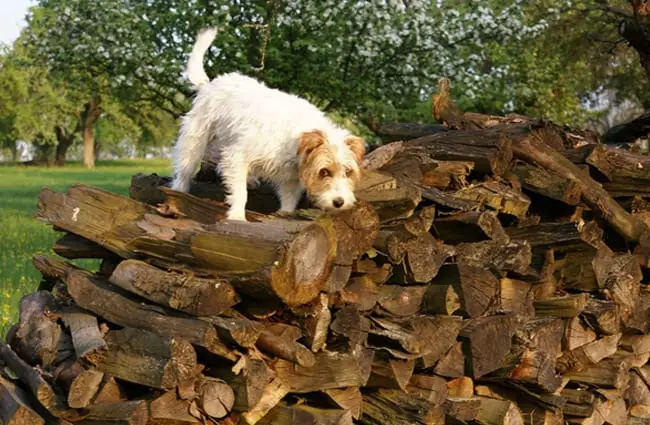
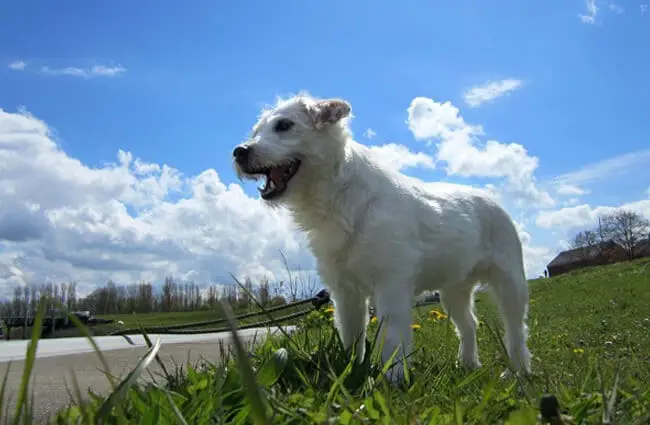
The Parson Russell Terrier is a small but athletic breed. Typically, they stand between 12 and 15 inches tall at the shoulder. Weight usually falls within the 13 to 17 pounds range. However, variations can occur depending on genetics and activity level. Crucially, the Parson Russell Terrier should be built for work, strong, flexible, and with a well-balanced physique. A square proportion is desired, with the length of the body roughly equal to the height.
Coat and Color
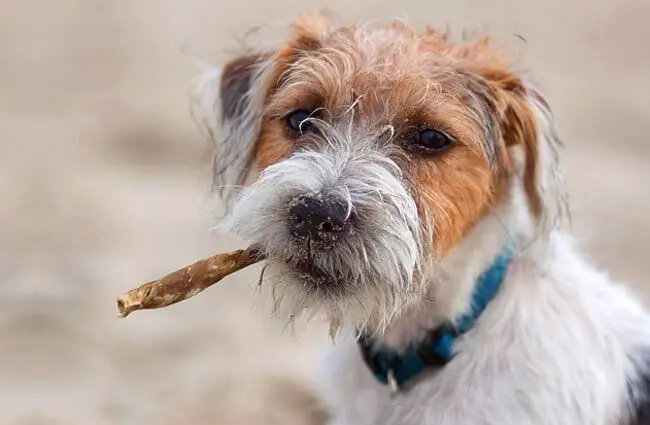
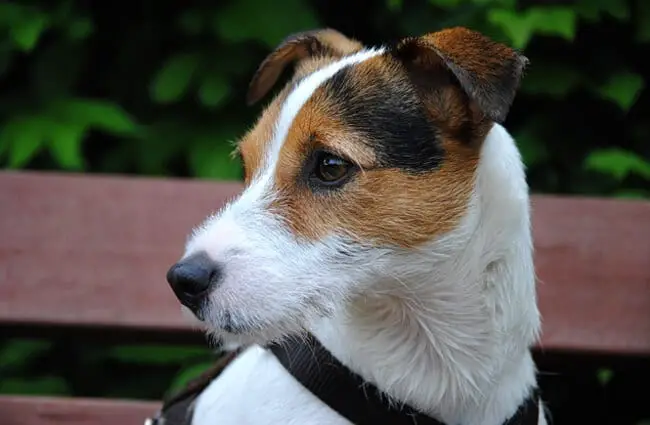
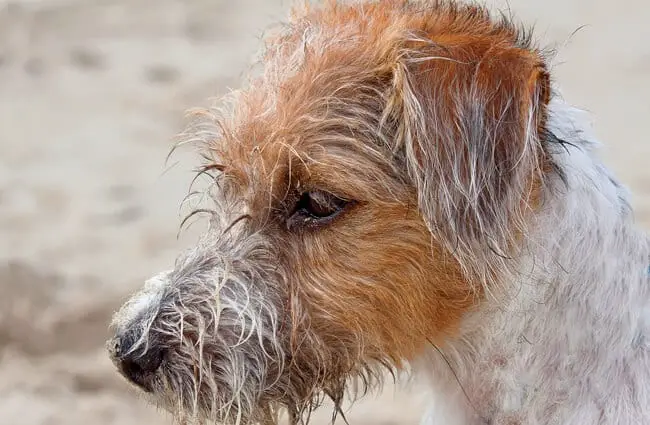
The coat is dense, rough, and water resistant, providing protection from the elements. There are three accepted coat types, smooth, rough, and broken. The predominant color is white, often with markings of tan, black, or a combination of both. The white should ideally cover at least 80 percent of the body. Markings can range from small patches to larger areas of color. The texture of the coat affects grooming requirements, with rough coats needing more frequent attention to prevent matting.
Temperament and Behavioral Traits
The Parson Russell Terrier is renowned for its energetic, intelligent, and courageous temperament. These terriers are naturally inquisitive and have a strong prey drive, a remnant of their hunting heritage. This means they may chase small animals and require secure fencing and supervision when outdoors. These terriers are incredibly affectionate with their families, often forming strong bonds with their owners. However, their independent nature can sometimes lead to stubbornness, requiring consistent and patient training.
Early socialization is crucial for Parson Russell Terriers. Exposing them to a variety of people, places, and sounds from a young age helps them develop into well-adjusted adults. They can be wary of strangers, but with proper socialization, they can learn to accept new people. Due to their high energy levels, they require plenty of mental and physical stimulation. Without sufficient outlets for their energy, they can become destructive or develop behavioral problems.
Care and Maintenance
Exercise Requirements
Parson Russell Terriers are not couch potatoes. They require at least 30 to 60 minutes of vigorous exercise each day. This can include brisk walks, runs, playtime in a securely fenced yard, or engaging in dog sports like agility or flyball. They thrive on having a job to do, so providing them with puzzle toys or training exercises can help keep them mentally stimulated. A bored Parson Russell Terrier is a mischievous Parson Russell Terrier!
Grooming Needs
Grooming requirements vary depending on the coat type. Smooth-coated Parson Russell Terriers require minimal grooming, while rough and broken-coated varieties benefit from weekly brushing to remove loose hair and prevent matting. Regular ear cleaning and nail trimming are also important. Some owners choose to hand-strip their Parson Russell Terriers to maintain the texture of the coat, but this is not essential.
Training and Socialization
Early socialization and consistent training are essential for Parson Russell Terriers. They are intelligent and eager to please, but their independent nature can sometimes make them stubborn. Positive reinforcement methods, such as rewarding desired behaviors with treats or praise, are the most effective. Avoid harsh punishment, as this can damage your relationship with your dog and lead to behavioral problems. Obedience training classes can provide valuable guidance and socialization opportunities.
Health Considerations
While generally healthy, Parson Russell Terriers are prone to certain health conditions. These include luxating patella (dislocation of the kneecap), eye problems such as lens luxation and progressive retinal atrophy, and deafness. Responsible breeders screen their dogs for these conditions to minimize the risk of passing them on to their puppies. Regular veterinary checkups are essential for maintaining your dog’s health and detecting any potential problems early on. A typical lifespan for a Parson Russell Terrier is 13 to 15 years.
Is a Parson Russell Terrier Right For You?
The Parson Russell Terrier is an exceptional breed, full of character and energy. However, they are not the right choice for everyone. They require a dedicated owner who can provide them with plenty of exercise, mental stimulation, and consistent training. If you are an active individual or family looking for a loyal, intelligent, and energetic companion, a Parson Russell Terrier might be the perfect fit. But be prepared to embrace a whirlwind of fun and activity!

![Closeup of a beautiful Red Angus cowPhoto by: U.S. Department of Agriculture [pubic domain]https://creativecommons.org/licenses/by/2.0/](https://animals.net/wp-content/uploads/2020/03/Red-Angus-4-100x75.jpg "Red Angus")