A Deep Dive into the Norwegian Lundehund
The Norwegian Lundehund is a breed steeped in history and uniquely adapted to a challenging environment, presenting a fascinating study for canine enthusiasts. Often described as an athletic and somewhat independent companion, this small Spitz type dog possesses characteristics unlike any other. This article provides a comprehensive overview, exploring the breed’s origins, physical attributes, temperament, and specific care requirements.
Origins and Historical Role
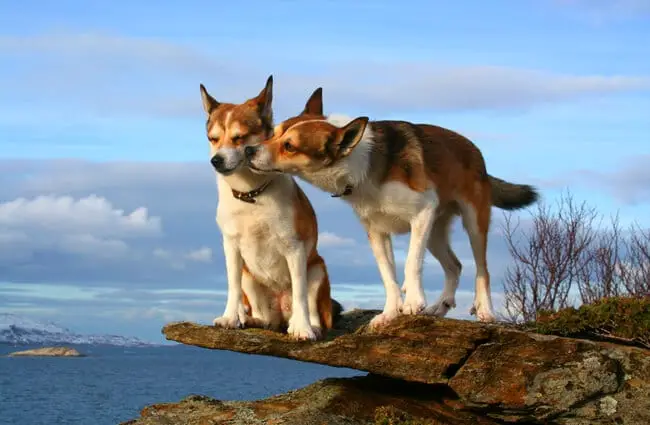
The Lundehund’s story is inextricably linked to the rugged coastline of Norway and the pursuit of puffins, known locally as “lunde.” For centuries, these dogs were vital to the livelihoods of coastal communities, specifically tasked with navigating treacherous cliffs to locate and retrieve puffins and their eggs. This wasn’t simply a matter of fetching; the Lundehund’s agility and unique physical attributes were essential for survival in this demanding environment. The breed nearly faced extinction twice, once during a distemper outbreak and again following changes in puffin harvesting practices. Dedicated breeders worked tirelessly to preserve this remarkable heritage, and today the Lundehund is a relatively rare breed, though its popularity is slowly increasing.
Physical Characteristics
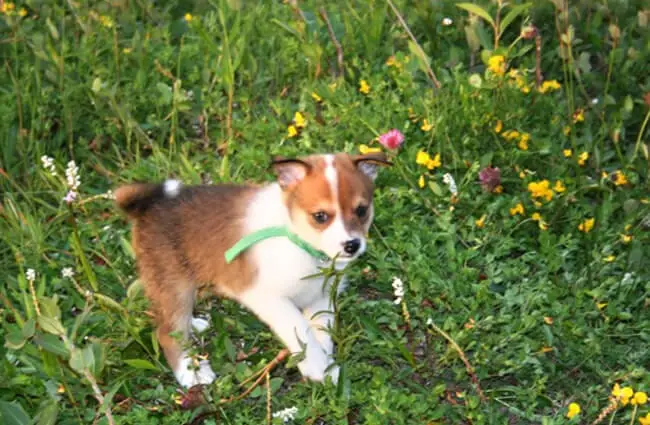
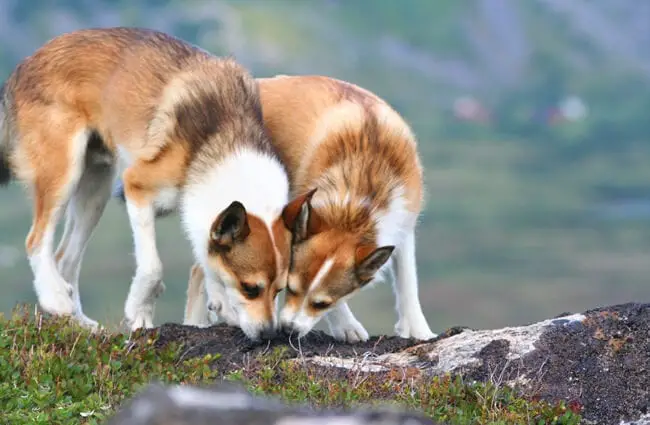
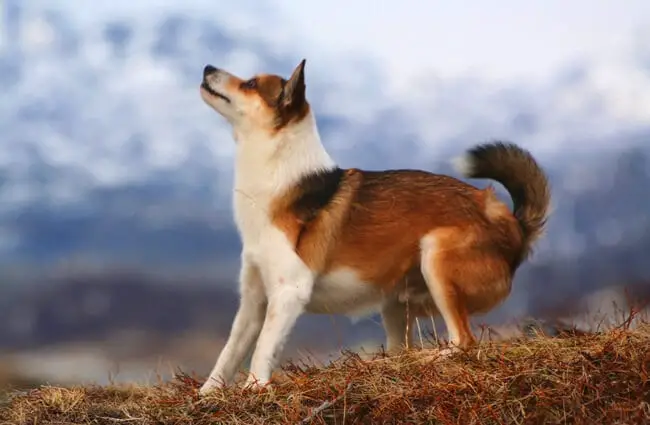
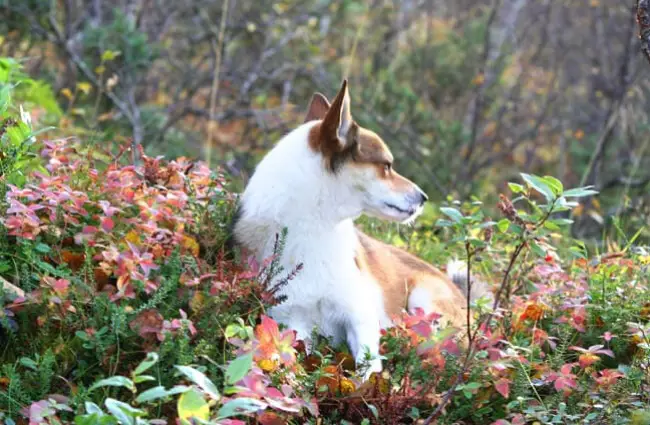
The Norwegian Lundehund is a small to medium sized dog, typically standing between 12 and 15 inches tall and weighing between 13 and 16 pounds. Its most striking features are undoubtedly its anatomy. Unlike most dogs, the Lundehund possesses six toes on each foot, providing exceptional grip on uneven surfaces. Furthermore, its ears can be folded forward or backward, protecting them from debris and cold winds. The breed also boasts remarkable flexibility in its neck and shoulders, allowing it to maneuver within tight spaces. Its coat is a double coat, consisting of a dense undercoat and a longer, harsher outer coat, providing insulation against the elements. Common coat colors include reddish brown, fallow, and grizzle, often with white markings.
Temperament and Behavior
The Lundehund is known for its energetic, independent, and somewhat reserved temperament. They are intelligent and trainable, but their independent streak requires a consistent and patient approach. Early socialization is crucial to ensure they are well adjusted and comfortable around strangers and other animals. While affectionate with their families, Lundehunds can be wary of newcomers. They are not typically aggressive, but their protective instincts may lead them to be vocal. Their high energy levels necessitate regular exercise and mental stimulation. They are often described as playful and enjoy activities such as agility, hiking, and puzzle toys.
Caring for Your Norwegian Lundehund
Exercise and Mental Stimulation
A bored Lundehund can become mischievous. Daily exercise is vital, and a simple walk around the block will not suffice. They thrive on activities that challenge them both physically and mentally. Consider incorporating agility training, scent work, or long hikes into their routine. Puzzle toys and interactive games are also excellent ways to keep them entertained.
Grooming
The Lundehund’s double coat requires regular brushing, especially during shedding season. A thorough brushing several times a week will help to remove loose hair and prevent matting. Occasional bathing is necessary, but overbathing should be avoided, as it can strip the coat of its natural oils. Regular ear cleaning is also important, as their folded ears can be prone to infections. Inspecting and cleaning their extra toes is essential, as debris can get lodged between them.
Diet and Nutrition
High‑quality dog food formulated for small to medium breeds is essential. Pay attention to the ingredient list and choose a food that is rich in protein and healthy fats. Monitor their weight and adjust their food intake accordingly. Avoid feeding them table scraps or foods that are toxic to dogs.
Health Considerations
While generally a healthy breed, Lundehunds are predisposed to certain health conditions. Lundehund Syndrome, a rare inherited condition that can cause chronic gastrointestinal issues, is a significant concern. Responsible breeders screen their dogs for this condition before breeding. Progressive Retinal Atrophy (PRA) and Patellar Luxation are also occasionally seen in the breed. Regular veterinary checkups are crucial for early detection and treatment of any health issues.
Is a Norwegian Lundehund Right for You?
The Norwegian Lundehund is not a breed for everyone. Their independent nature, high energy levels, and potential health concerns require a dedicated and knowledgeable owner. They thrive in active households where they receive plenty of exercise, mental stimulation, and attention. They may not be the best choice for first‑time dog owners or those who live a sedentary lifestyle. However, for the right person or family, the Lundehund can be a loyal, intelligent, and rewarding companion.
A Breed Preserving History
The story of the Norwegian Lundehund is a testament to the remarkable adaptability of dogs and the importance of breed preservation. This unique breed, forged by centuries of working alongside humans in a challenging environment, continues to captivate and inspire. By understanding their history, physical attributes, and temperament, we can ensure that this remarkable breed continues to thrive for generations to come.
![Closeup of a beautiful Red Angus cowPhoto by: U.S. Department of Agriculture [pubic domain]https://creativecommons.org/licenses/by/2.0/](https://animals.net/wp-content/uploads/2020/03/Red-Angus-4-100x75.jpg "Red Angus")