A Comprehensive Guide to the Norwegian Elkhound
The Norwegian Elkhound, a striking Spitz-type breed, holds a prominent place in Scandinavian history and continues to captivate dog lovers worldwide. More than just a handsome face, this breed embodies a fascinating blend of athleticism, intelligence, and unwavering loyalty. This guide provides an in-depth look into the characteristics, care, and history of the Norwegian Elkhound, offering prospective owners a comprehensive understanding of this remarkable canine companion.
History and Origins
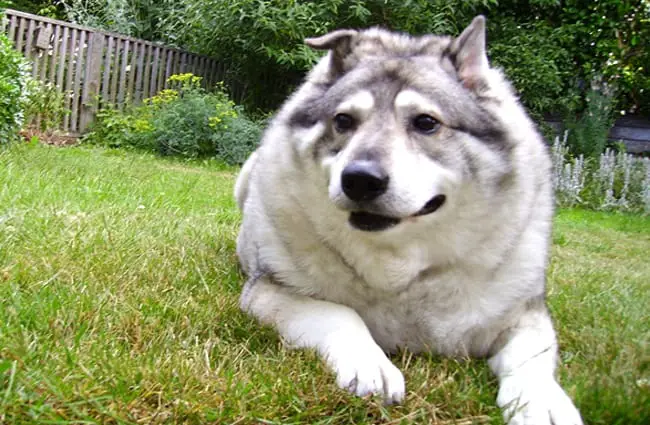
The Norwegian Elkhound’s story stretches back over 5,000 years, making it one of the oldest known dog breeds. Originally, these dogs were invaluable to the Vikings, serving as versatile hunters, guardians, and even war dogs. Their primary role, as the name suggests, was to hunt elk, but they also tracked bear, wolves, and other large game. The term “Elkhound” literally translates to “elk dog.” Archaeological finds in Viking burial sites confirm the breed’s ancient lineage. For centuries, the Elkhound was a working farm dog, deeply integrated into rural Norwegian life. The breed’s standardization occurred relatively recently, with the Norwegian Kennel Club establishing breed standards in the early 20th century. Even today, their hunting instincts remain remarkably strong, and they excel in canine sports that tap into those natural abilities.
Physical Characteristics
Size and Weight
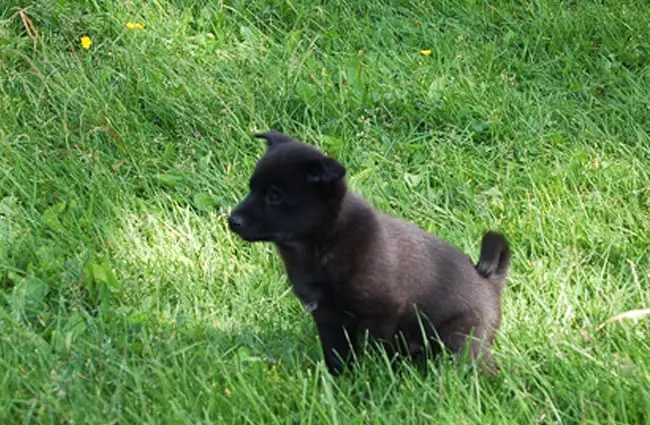
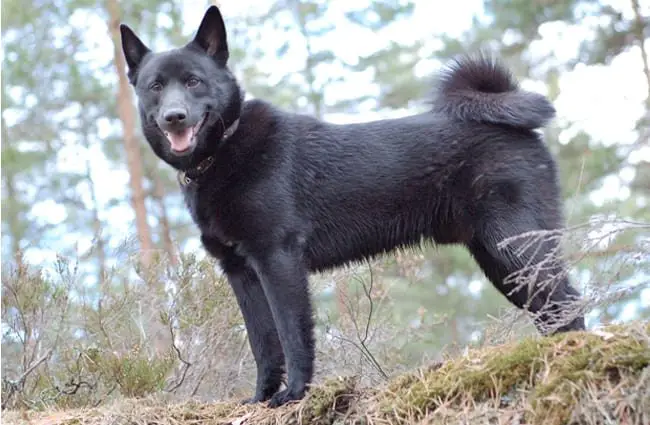
Norwegian Elkhounds are medium‑sized dogs with a robust and muscular build. Males typically stand between 20.5 and 21.5 inches at the shoulder and weigh between 50 and 60 pounds. Females are slightly smaller, measuring 19.5 to 20.5 inches and weighing 45 to 55 pounds. They have a compact, square build that contributes to their agility and endurance.
Coat and Color
The most distinctive feature of the Elkhound is its thick, double coat. The outer coat is dense and water‑resistant, providing protection from harsh weather. The undercoat is soft and woolly, offering insulation. This combination requires regular grooming to prevent matting and maintain its health. Coat colors typically range from reddish‑gray to gray, often with white markings on the chest, feet, and muzzle. Black markings can also be present. The coat is designed for extreme conditions, making them well‑suited for colder climates.
Temperament and Personality
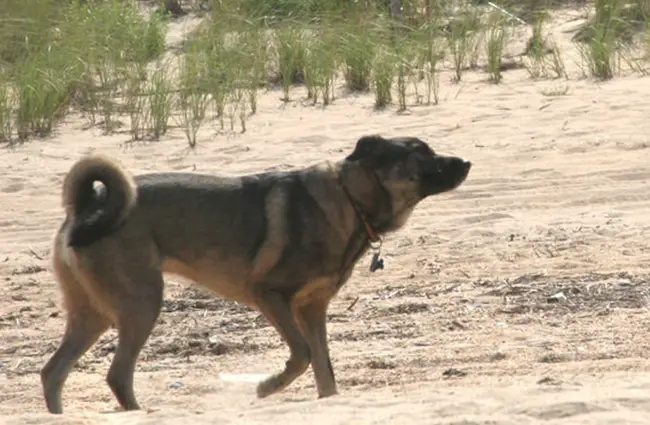
Norwegian Elkhounds are known for their independent and confident personalities. They are intelligent and eager to please, but their independent streak means they require consistent training and socialization from a young age. They are fiercely loyal to their families and can be reserved with strangers. Early socialization is key to helping them become well‑adjusted and friendly companions. Their hunting heritage means they have a strong prey drive, so caution should be exercised around smaller animals. They are vocal dogs, prone to barking, which can be managed with training. Elkhounds are playful and energetic, thriving on physical and mental stimulation. They are not typically overly affectionate, but they enjoy being part of family activities.
Care Requirements
Exercise Needs
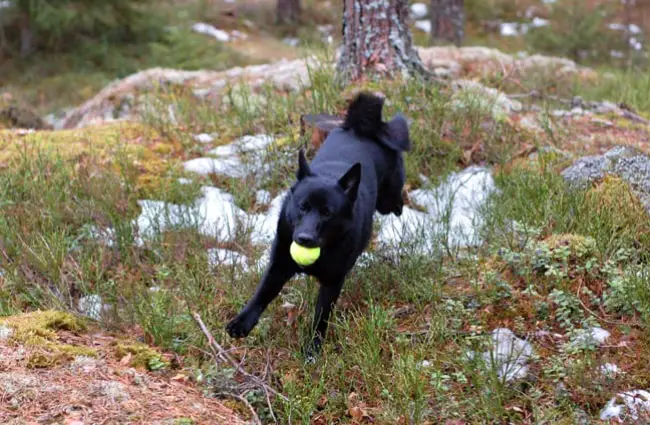
Norwegian Elkhounds are high‑energy dogs, requiring a significant amount of exercise. Daily walks, runs, or play sessions are essential to keep them physically and mentally stimulated. They excel in activities such as hiking, agility, and tracking. A fenced yard is highly recommended to provide them with a safe space to play. Without sufficient exercise, they can become bored and destructive.
Grooming
The Elkhound’s thick coat requires regular grooming to prevent matting and tangles. Brushing several times a week is necessary, and during shedding season, daily brushing may be required. They are heavy shedders, so prospective owners should be prepared for a significant amount of dog hair. Occasional bathing is also recommended. Regular ear cleaning and nail trimming are essential for maintaining their overall health.
Training and Socialization
Norwegian Elkhounds are intelligent, but their independent nature can make training challenging. Positive reinforcement techniques, such as rewarding desired behaviors with treats or praise, are most effective. Consistency and patience are crucial. Early socialization is essential to help them become well‑adjusted and friendly companions. Exposing them to various people, places, and situations from a young age will help them develop confidence and reduce the risk of behavioral problems.
Health Considerations
Norwegian Elkhounds are generally healthy dogs, but like all breeds, they are prone to certain health conditions. These include hip dysplasia, progressive retinal atrophy (PRA), and thyroid issues. Responsible breeders screen their dogs for these conditions to minimize the risk of passing them on to their offspring. Regular veterinary checkups are essential for maintaining their overall health and detecting any potential problems early. They can also be prone to bloat, a life‑threatening condition that requires immediate veterinary attention.
Is a Norwegian Elkhound Right for You?
The Norwegian Elkhound is a wonderful companion for the right owner. They are best suited for active individuals or families who can provide them with plenty of exercise and mental stimulation. They thrive in environments where they have a job to do, whether it is participating in canine sports or simply accompanying their owners on outdoor adventures. Prospective owners should be prepared for their independent streak, vocal nature, and heavy shedding. With proper training, socialization, and care, a Norwegian Elkhound can bring years of joy and companionship.
Beyond the Basics: Nuances for Dedicated Owners
Hunting Instincts and Management
The deep‑seated hunting drive is not merely a behavioral quirk; it is a core aspect of the Elkhound’s being. While not all owners intend to hunt, understanding this instinct is crucial. Recall training must be impeccable. Off‑leash work should only be undertaken in highly secure areas. Consider scent work or tracking as outlets for this energy. Be aware of small animals, including cats and rabbits, as they may trigger the prey drive.
Vocalization and Training Strategies
Elkhounds weren’t bred for silence. Historically, they alerted their owners to approaching danger or game. Excessive barking can be addressed with consistent training. “Quiet” commands, redirection with toys, and providing sufficient mental stimulation can help. However, attempting to eliminate barking entirely is unrealistic and potentially detrimental to their natural instincts. Desensitization techniques can be used to address barking triggered by specific stimuli.
Genetic Predispositions: Beyond the Common Issues
While hip dysplasia and PRA are well‑known concerns, Elkhounds can also be predisposed to certain types of allergies and skin conditions. Careful attention to diet and regular grooming can help manage these issues. Additionally, some lines may be more prone to kidney problems, highlighting the importance of choosing a reputable breeder who performs thorough health testing.
In conclusion, the Norwegian Elkhound is a captivating breed with a rich history and a unique personality. Their intelligence, loyalty, and athleticism make them wonderful companions for those who can meet their needs. With proper care, training, and a deep understanding of their inherent traits, an Elkhound will undoubtedly enrich the lives of their owners for many years to come.
![Closeup of a beautiful Red Angus cowPhoto by: U.S. Department of Agriculture [pubic domain]https://creativecommons.org/licenses/by/2.0/](https://animals.net/wp-content/uploads/2020/03/Red-Angus-4-100x75.jpg "Red Angus")