The Newfoundland, often affectionately called a “Newfie,” is a breed steeped in history and renowned for its gentle nature and impressive size. Originating from the Canadian island of Newfoundland, these dogs were initially bred as working dogs, assisting fishermen with tasks such as hauling nets, rescuing people from the water, and even pulling carts laden with goods. Today, while still possessing a strong work ethic, the Newfoundland is most cherished as a loyal companion and family pet. This guide delves into everything prospective owners need to know about this magnificent breed.

A History Forged in Water and Work
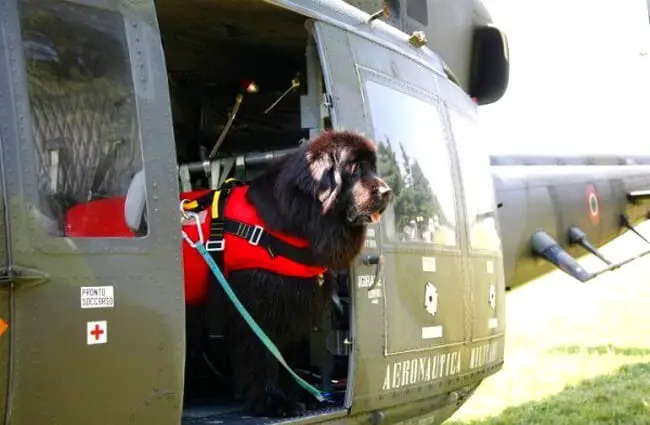
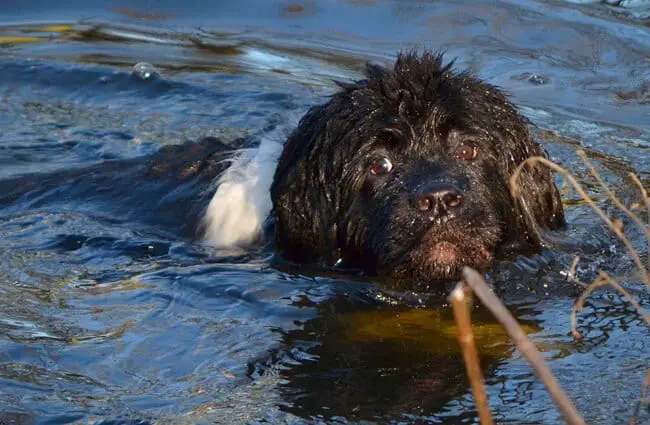
The Newfoundland’s ancestry is a fascinating blend of various breeds, including the now extinct Greater Newfoundland, the Tibetan Mastiff, and breeds brought over by Portuguese fishermen in the 17th century. These early dogs were integral to the lives of those living on the rugged Newfoundland coast. Their waterproof coats, webbed feet, and inherent swimming ability made them natural lifesavers. Stories abound of Newfoundlands swimming incredible distances in icy waters to rescue shipwrecked sailors. The breed gained official recognition by the American Kennel Club in 1879, cementing its place as a beloved breed.
Physical Characteristics: Gentle Giants
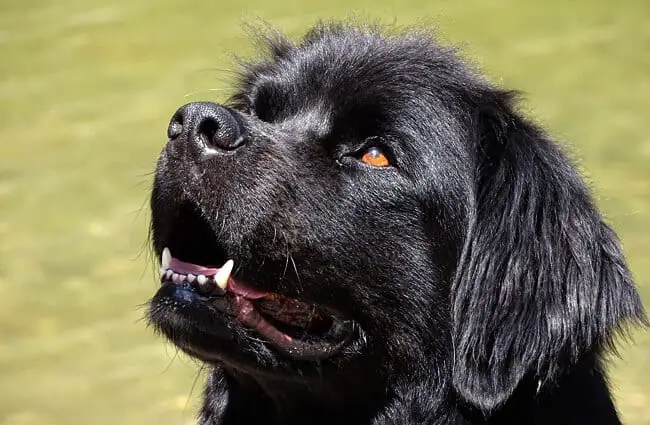
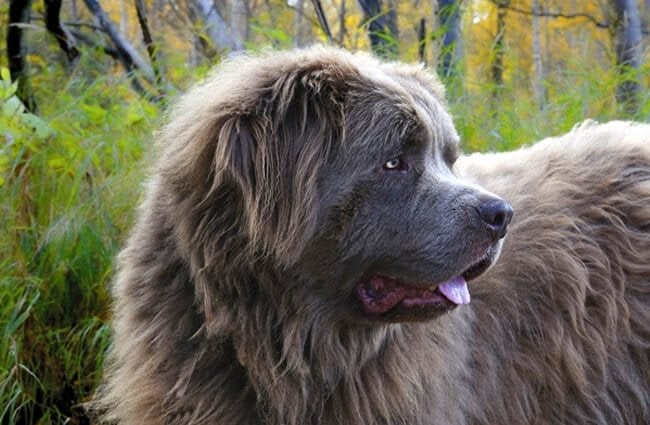
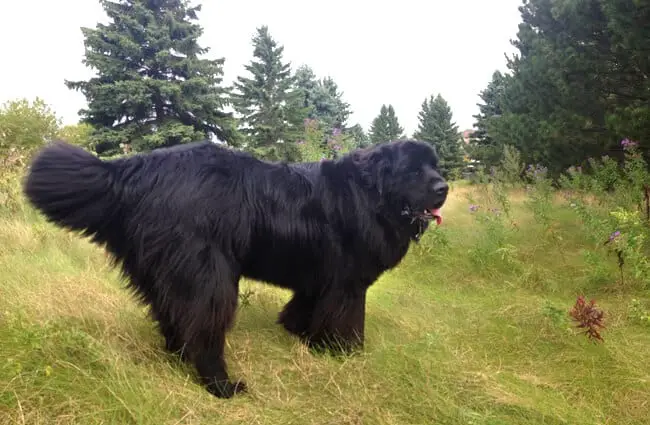
The Newfoundland is a truly massive breed. Males typically stand 28 inches tall at the shoulder and weigh between 130 and 150 pounds. Females are slightly smaller, reaching 26 inches and weighing 100 to 120 pounds. Their thick double coat is water resistant and comes in three primary colors: black, brown, and grey. A white blaze on the chest and white markings on the paws are common. While imposing in size, the Newfoundland possesses a surprisingly graceful and agile movement.
Grooming Needs
That magnificent coat requires consistent grooming. Regular brushing, at least several times a week, is essential to prevent matting and reduce shedding. During shedding seasons, daily brushing is recommended. Newfoundlands are also prone to drooling, so keeping a towel handy is a good idea. Regular nail trimming and ear cleaning are also important for maintaining overall health.
Temperament and Personality: Sweet and Steadfast
The Newfoundland is renowned for its gentle and patient disposition. Often referred to as gentle giants, they are exceptionally good with children and other animals. Their naturally protective instincts make them excellent watchdogs, though they are not typically aggressive. Newfoundlands are intelligent and eager to please, making them relatively easy to train, though their size requires consistent and patient handling. They possess a playful side, but their energy levels are generally moderate, preferring leisurely walks and cuddle sessions to rigorous exercise.
Caring for Your Newfoundland: Meeting Their Needs
Owning a Newfoundland is a significant commitment. Beyond the grooming and exercise requirements, several specific needs should be considered.
Diet
Due to their large size, Newfoundlands require a high quality diet formulated for large breed dogs. It is crucial to monitor their food intake to prevent obesity, which can put strain on their joints. Splitting their daily ration into multiple meals can also help prevent bloat, a life threatening condition common in deep chested breeds.
Exercise
While not hyperactive, Newfoundlands need regular exercise to stay healthy and happy. Daily walks, swimming (if possible), and playtime in a securely fenced yard are ideal. It is important to avoid strenuous exercise during puppyhood to protect their developing joints.
Training & Socialization
Early socialization and obedience training are essential for Newfoundlands. Exposing them to a variety of people, places, and sounds from a young age will help them develop into well adjusted adults. Positive reinforcement methods are most effective with this sensitive breed.
Health Considerations
Like all breeds, Newfoundlands are predisposed to certain health conditions.
Hip and Elbow Dysplasia
This is a common skeletal condition that can cause pain and lameness. Responsible breeders screen their dogs for dysplasia before breeding.
Heart Conditions
Subaortic stenosis and dilated cardiomyopathy are heart conditions that can affect Newfoundlands. Regular veterinary checkups are crucial for early detection.
Bloat (Gastric Dilatation and Volvulus)
As mentioned earlier, bloat is a life threatening condition that requires immediate veterinary attention.
Cystinuria
This genetic condition affects the urinary tract and can lead to kidney stones. Genetic testing can identify carriers.
Is a Newfoundland Right for You?
The Newfoundland is a wonderful breed for the right owner. They thrive in homes with plenty of space, a loving family, and someone who is willing to provide the necessary care and attention. They are not ideal for apartment living or for owners who lead a very active lifestyle. If you are looking for a gentle, loyal, and devoted companion, and you are prepared to meet the challenges of owning a large breed, the Newfoundland may be the perfect dog for you.
Beyond the Basics: Fascinating Newfoundland Facts
Newfoundlands have a remarkable history and unique characteristics.
- They possess partially webbed feet, making them excellent swimmers.
- Their thick coat provides exceptional insulation, allowing them to survive in frigid waters.
- Newfoundlands have been used as draft animals, pulling carts and sleds.
- They have a natural instinct to rescue people in distress.
- The Newfoundland has been involved in many rescue operations, including those during the Titanic disaster.
In conclusion, the Newfoundland is more than just a large dog; it’s a legacy of strength, gentleness, and unwavering loyalty. Their history as working dogs and their inherent desire to help others continue to define this remarkable breed today. While the responsibilities of ownership are significant, the rewards of sharing your life with a Newfoundland are immeasurable.


![Closeup of a beautiful Red Angus cowPhoto by: U.S. Department of Agriculture [pubic domain]https://creativecommons.org/licenses/by/2.0/](https://animals.net/wp-content/uploads/2020/03/Red-Angus-4-100x75.jpg "Red Angus")