The Miniature Pinscher, often affectionately called the “Min Pin,” is a small dog with a large personality. This breed consistently surprises people with its boldness, intelligence, and unwavering confidence. While small in stature, the Min Pin possesses a spirited nature that makes it a captivating companion for the right owner. This comprehensive guide delves into the history, characteristics, care, and quirks of this remarkable breed.
A Glimpse into History
Despite resembling the Doberman Pinscher, the Miniature Pinscher is the older breed. Originating in Germany, the Min Pin dates back to the 1600s. Initially bred to hunt vermin, specifically rats and mice, in stables and barns, these dogs were valued for their tenacity and fearless attitude. They were also guardians of the home, alerting owners to potential intruders. The breed’s development involved crosses with German Pinschers and possibly Italian Greyhounds, resulting in the distinctive compact physique we recognize today. The term “Pinscher” itself comes from the German word meaning “to grip” or “to seize,” reflecting their original hunting purpose.
Physical Characteristics
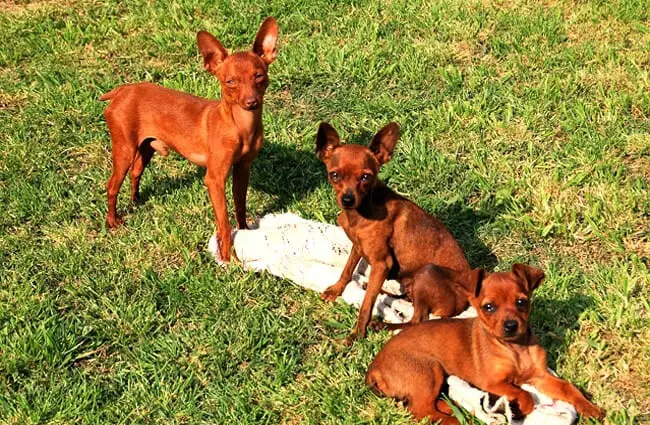
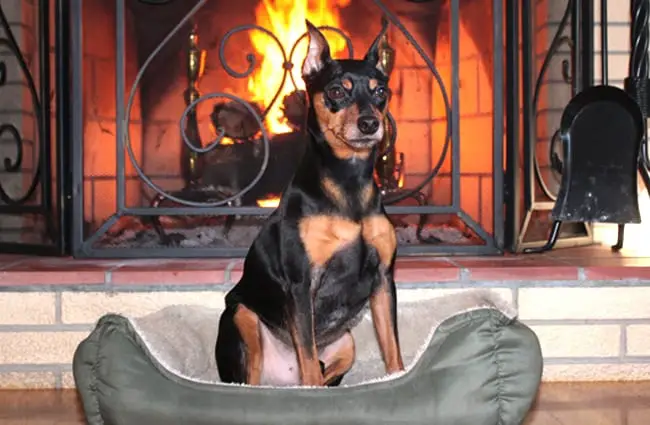
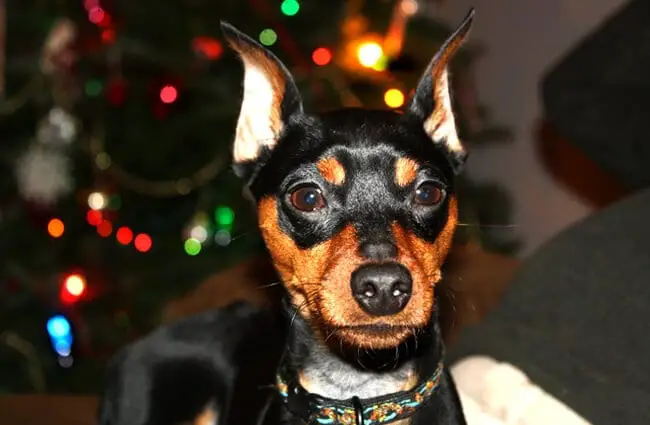
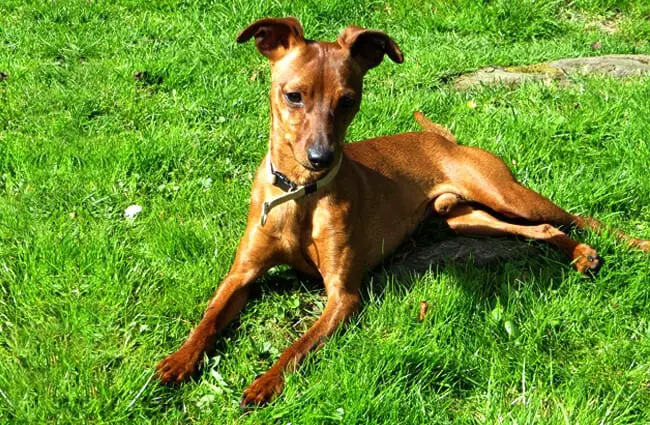
Miniature Pinschers are known for their compact, muscular build. They typically stand between 10 and 12.5 inches tall and weigh between 8 and 11 pounds. Their coat is short, smooth, and glossy, coming in standard colors of red, black with rust markings, chocolate with rust markings, and occasionally fawn. A distinctive feature is the “hackney gait,” a high‑stepping, almost prancing movement that showcases their agility and athleticism. Many owners describe it as a purposeful, confident stride.
Grooming Needs
Fortunately, maintaining a Min Pin’s coat is relatively easy. Regular brushing, perhaps once or twice a week, will help remove loose hair and maintain its shine. They are not heavy shedders. However, due to their short coat, they are sensitive to cold weather and may require a sweater or coat during the winter months. Nail trimming and dental hygiene are also essential components of their grooming routine.
Temperament and Behavior
The Miniature Pinscher is a spirited, energetic, and intelligent breed. They possess a bold and fearless attitude that often belies their small size. This confidence can sometimes be misinterpreted as stubbornness, but it is more accurately described as independence. They are naturally curious and inquisitive, always eager to explore their surroundings. Min Pins are known for being loyal and affectionate with their families, but they can be reserved or cautious toward strangers. Early socialization is crucial to help them develop into well‑adjusted adults.
Training Considerations
Due to their independent nature, training a Miniature Pinscher requires patience, consistency, and positive reinforcement. They respond best to reward‑based methods and can become bored or frustrated with repetitive drills. Short, engaging training sessions are far more effective than long, drawn‑out ones. They are intelligent dogs who enjoy mental stimulation, so incorporating puzzle toys and interactive games into their routine is highly recommended. Remember, consistency is key. Everyone in the household should use the same commands and enforce the same rules.
Care Requirements
Miniature Pinschers are relatively low‑maintenance in terms of grooming, but they require a significant commitment to exercise and mental stimulation. A daily walk or play session is essential to keep them physically and mentally fit. They also enjoy games like fetch and hide‑and‑seek. Due to their energetic nature, they benefit from having access to a secure yard or enclosed space where they can run and play.
Health Considerations
While generally a healthy breed, Miniature Pinschers are prone to certain health conditions. These include patellar luxation (dislocation of the kneecap), progressive retinal atrophy (PRA), and congenital deafness. Responsible breeders will screen their dogs for these conditions before breeding. Regular veterinary checkups are crucial to detect and address any health concerns early on. Maintaining a healthy weight is also important, as obesity can exacerbate joint problems.
Is a Miniature Pinscher Right for You?
The Miniature Pinscher is a wonderful companion for the right owner. They thrive in active households where they receive plenty of exercise and mental stimulation. They are best suited for individuals or families who can provide consistent training and socialization. If you’re looking for a small dog with a big personality, the Miniature Pinscher may be the perfect breed for you. However, be prepared for a dog who is independent, confident, and always ready for an adventure.

Interesting Facts
Here are a few more fun facts about this fascinating breed:
- Min Pins were sometimes used as coach dogs, riding along with horse‑drawn carriages to protect passengers from bandits.
- They are known for their tendency to bury things, such as toys or treats, in blankets or bedding.
- Their hackney gait was originally bred into them to make them appear larger and more imposing.
- They have surprisingly strong muscles for their size.
In conclusion, the Miniature Pinscher is a captivating breed that offers a unique blend of energy, intelligence, and confidence. With proper care, training, and socialization, this small dog can bring years of joy and companionship to the right owner.
![Closeup of a beautiful Red Angus cowPhoto by: U.S. Department of Agriculture [pubic domain]https://creativecommons.org/licenses/by/2.0/](https://animals.net/wp-content/uploads/2020/03/Red-Angus-4-100x75.jpg "Red Angus")