The Miniature Bull Terrier is a breed brimming with personality, often described as an explosion of comical energy packed into a compact frame. For those considering welcoming one of these “mini bullies” into their lives, understanding their history, temperament, and specific needs is crucial. This guide delves into the fascinating world of the Miniature Bull Terrier, providing a comprehensive overview for potential owners and breed enthusiasts alike.
A History of Tenacity and Charm
The story of the Miniature Bull Terrier begins in 19th century England, a time of significant ratting and dog fighting. Bull Terriers, the larger ancestors of the Miniature Bull Terrier, were originally bred for bull baiting and subsequently refined for the sport of ratting, testing a dog’s vermin killing ability. As ratting became increasingly popular, a demand arose for smaller, more agile terriers. Breeders began selectively breeding smaller Bull Terriers, eventually establishing the distinct line we know today as the Miniature Bull Terrier. These compact terriers retained the courage and tenacity of their larger ancestors, but in a much more manageable size. The breed’s official recognition by kennel clubs such as the American Kennel Club and the United Kennel Club solidified its status as a unique and beloved companion.
Physical Characteristics
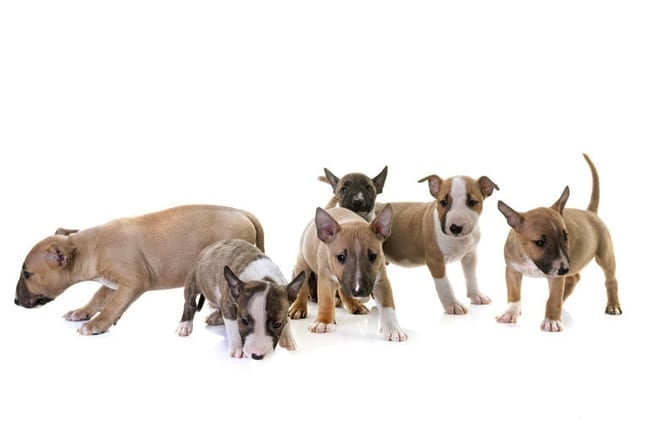
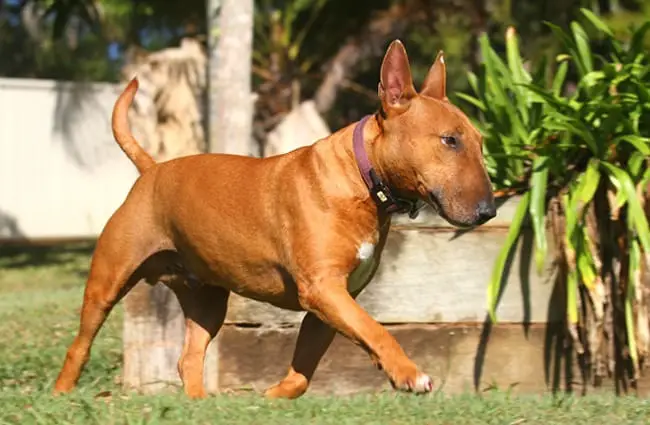
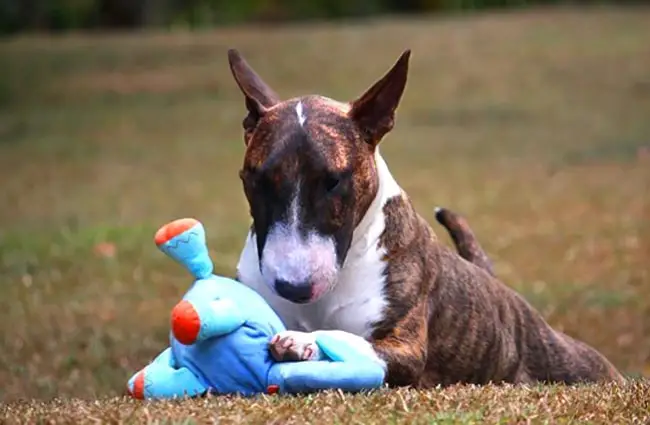
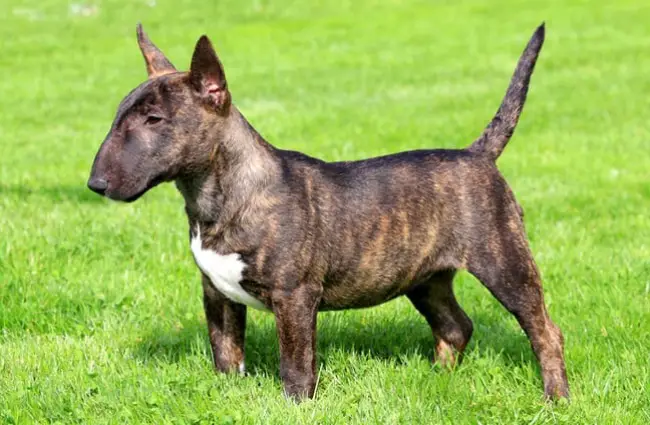
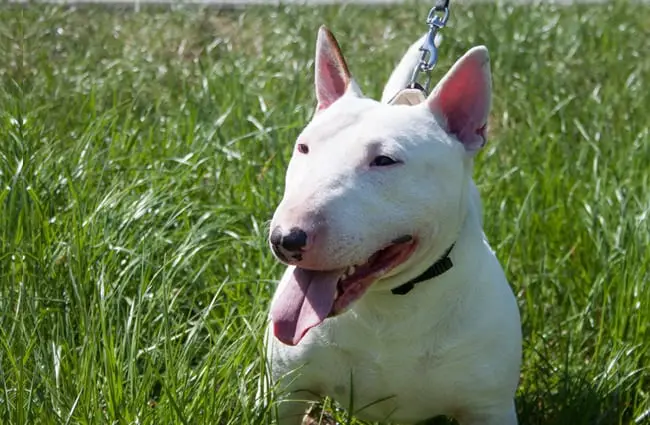
Miniature Bull Terriers are instantly recognizable for their unique “egghead” shape, a result of their slightly convex skull. This distinctive head is balanced by a muscular, compact body. They generally stand between 13 and 14 inches tall and weigh between 19 and 22 pounds, although individual variations exist. The coat is short, flat, and glossy, coming in a wide range of colors including white, brindle, red, fawn, and tri‑color. Some dogs exhibit the striking “checkerboard” pattern. Their eyes, dark and expressive, contribute to their mischievous and endearing appearance.
Grooming Needs
Fortunately, Miniature Bull Terriers require relatively little grooming. Their short coat needs only occasional brushing to remove loose hair and maintain its shine. Regular nail trimming, ear cleaning, and dental hygiene are essential for their overall health. Due to their skin sensitivity, it is important to use gentle, hypoallergenic shampoos and avoid harsh chemicals. White dogs, in particular, may require more frequent bathing to keep their coats clean and bright.
Temperament and Behavior
The Miniature Bull Terrier is a breed known for its bold, playful, and often comical personality. They are intelligent, independent, and possess a strong will. This can make training challenging, but also incredibly rewarding. Early socialization is crucial to ensure they develop into well‑adjusted adults. Exposing them to a variety of people, places, and other animals from a young age helps them become confident and friendly. They are known to be affectionate with their families, often forming strong bonds with their owners.
Exercise Requirements
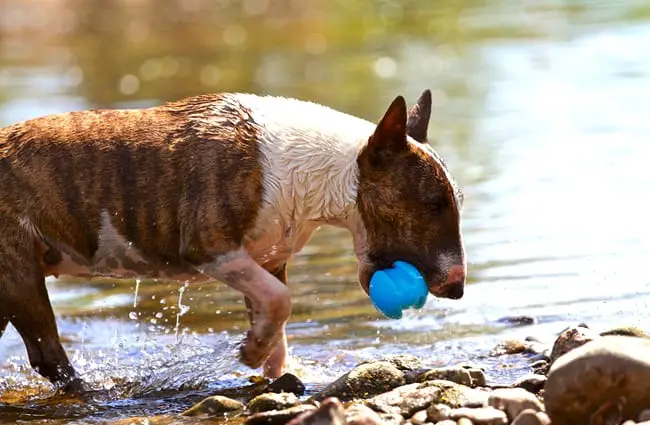
Despite their small size, Miniature Bull Terriers are energetic dogs that require regular exercise. Daily walks, play sessions, and mental stimulation are essential to keep them happy and healthy. They enjoy games like fetch, tug‑of‑war, and puzzle toys. A bored Miniature Bull Terrier can quickly become destructive, so providing them with plenty of outlets for their energy is important. They also have a high prey drive, so caution should be exercised around smaller animals.
Caring for Your Miniature Bull Terrier
Providing a loving and stimulating environment is key to raising a happy and well‑adjusted Miniature Bull Terrier. Consistent training, early socialization, and plenty of exercise are essential. These dogs thrive on attention and interaction, so spending quality time with them is crucial.
Health Considerations
While generally a healthy breed, Miniature Bull Terriers are prone to certain health conditions. These include lens luxation (a displacement of the lens of the eye), skin allergies, patellar luxation, and heart conditions such as subaortic stenosis. Responsible breeders screen their dogs for these conditions before breeding, which can help reduce the risk of these problems occurring. Regular veterinary checkups are essential for early detection and treatment of any health issues.
Training Tips
Miniature Bull Terriers are intelligent but can be stubborn. Positive reinforcement methods, such as rewarding good behavior with treats and praise, are most effective. Keep training sessions short, engaging, and consistent. Avoid harsh punishment, as this can damage your relationship with your dog. Early obedience classes are highly recommended.
Is a Miniature Bull Terrier Right for You?
The Miniature Bull Terrier is a wonderful companion for the right owner. They are playful, affectionate, and full of personality. However, they are not a breed for everyone. They require consistent training, early socialization, and plenty of exercise. They can also be stubborn and independent. If you are willing to put in the time and effort, a Miniature Bull Terrier can bring years of joy and companionship to your life.
In conclusion, the Miniature Bull Terrier is a unique and charming breed with a rich history and a lively personality. Understanding their specific needs and characteristics is essential for providing them with a happy and fulfilling life. For those prepared to embrace their playful spirit and unwavering loyalty, the Miniature Bull Terrier offers a truly rewarding companionship.

![Closeup of a beautiful Red Angus cowPhoto by: U.S. Department of Agriculture [pubic domain]https://creativecommons.org/licenses/by/2.0/](https://animals.net/wp-content/uploads/2020/03/Red-Angus-4-100x75.jpg "Red Angus")