The Komondor is a magnificent and imposing breed that is instantly recognizable by its profuse, corded coat. Originating from Hungary over a millennium ago, this powerful dog was developed not as a companion but as a livestock guardian, specifically to protect sheep and cattle. Understanding the Komondor requires appreciating its deeply ingrained history and working drive. This article explores the breed’s characteristics, care requirements, and fascinating quirks, offering insights for potential owners and dog enthusiasts alike.
A History Rooted in Protection
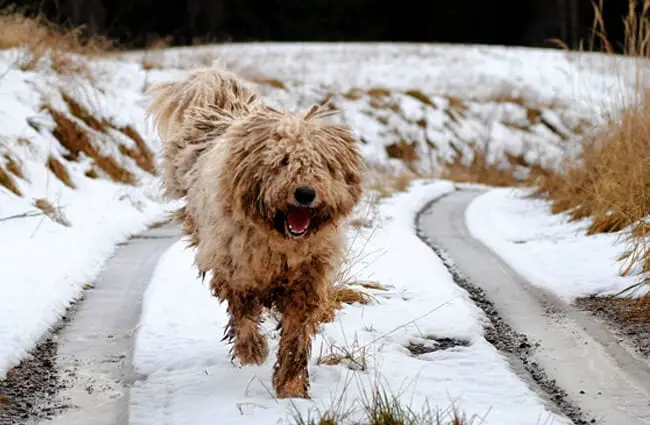
The Komondor’s story is intertwined with the history of Hungarian pastoralism. The breed traces its origins to nomadic tribes who brought their dogs—likely ancestors of the Komondor—to the Carpathian Basin in the Middle Ages. These dogs were more than herders; they were independent thinkers entrusted with safeguarding livestock from large predators such as wolves and bears, and from cattle thieves. The Komondor’s distinctive white coat served as camouflage, allowing it to blend in with the flocks it protected, and it also made it easier for shepherds to identify the dog from potential threats at night.
For centuries the Komondor worked alongside shepherds, making its own decisions and acting with remarkable independence. This working history has profoundly shaped the breed’s temperament and requires specific considerations for modern ownership.
Physical Characteristics
Size and Weight
The Komondor is a large and powerful dog. Males typically stand between 27.5 and 31.5 inches tall at the shoulder and weigh between 100 and 130 pounds. Females are slightly smaller, generally ranging from 25.5 to 29.5 inches tall and weighing between 80 and 110 pounds. Individual dogs can vary, and proper nutrition is essential for healthy growth and development.
The Corded Coat
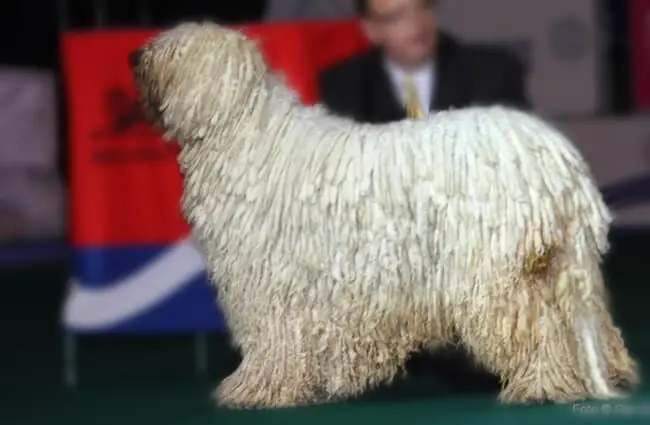
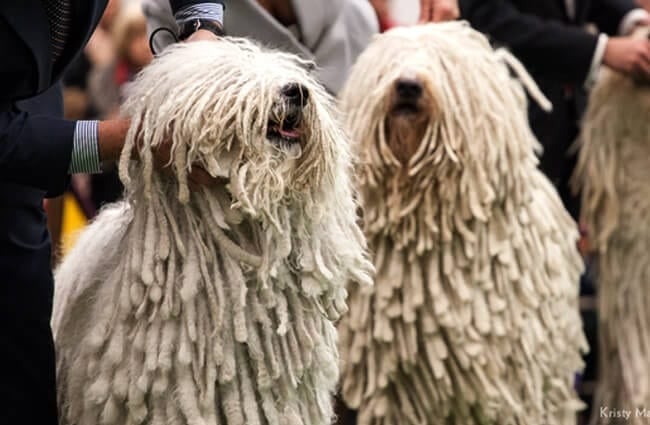
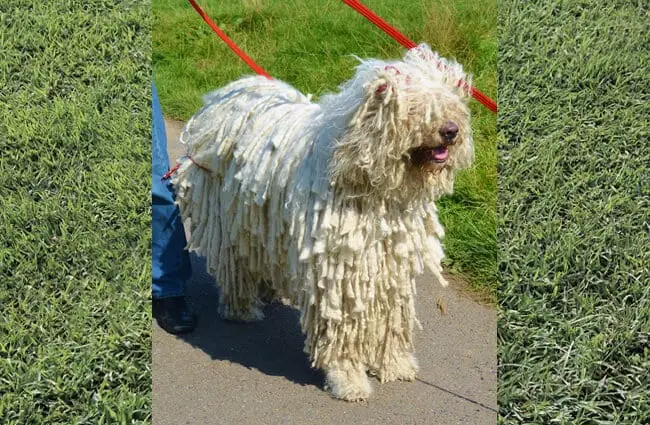
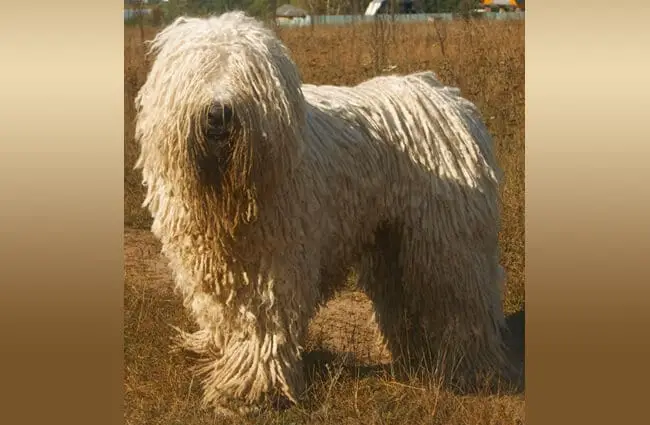
Without question, the Komondor’s most striking feature is its unique coat. The coat is naturally wavy and dense, and it does not shed in the traditional sense. Instead, the outer coat forms thick, corded mats that resemble dreadlocks. This corded coat provided exceptional protection against harsh weather and predator attacks in its original working environment.
The cords begin to form around six months of age, and the full corded coat takes several years to mature. Maintaining the cords requires significant effort. The cords should not be brushed or combed but rather separated and kept clean. Dirt and debris can become trapped within the cords, so regular inspection and cleaning are essential. Bathing is infrequent, as it can take a long time for the coat to dry completely.
Temperament and Behavior
The Komondor is known for its independent, courageous, and protective nature. This breed is inherently suspicious of strangers and is not typically overly affectionate with people outside its immediate family. Its strong guarding instincts make early socialization crucial. Exposing the Komondor to a wide variety of people, places, and sounds from a young age can help it become more accepting of unfamiliar stimuli.
Because of its history as an independent worker, the Komondor is not always eager to please. Training requires patience, consistency, and a focus on positive reinforcement. Harsh methods are counterproductive and can damage the dog’s trust. The Komondor responds best to trainers who understand its independent nature and can motivate it through rewards and encouragement.
Care and Maintenance
Exercise Needs
Despite its large size, the Komondor does not require excessive amounts of exercise. However, it does need regular physical and mental stimulation. Daily walks, playtime in a secure yard, and challenging puzzle toys can help keep the dog happy and healthy. Because of its guarding instincts, the Komondor should always be walked on a leash or in a securely fenced area.
Grooming
Grooming a Komondor is a significant commitment. As mentioned earlier, the cords require regular maintenance to keep them clean and prevent matting. The cords should be separated by hand to allow air circulation and prevent moisture buildup. Bathing should be kept to a minimum, as it can take days for the coat to dry completely. Regular inspection for parasites and skin conditions is also important.
Health Considerations
Like all breeds, the Komondor is prone to certain health conditions. Hip dysplasia, elbow dysplasia, and gastric dilatation volvulus (bloat) are relatively common. Responsible breeders screen their dogs for these conditions before breeding to minimize the risk of passing them on to offspring. Regular veterinary checkups are essential for maintaining the dog’s health and detecting any potential problems early.
Is a Komondor Right for You?
The Komondor is a magnificent and rewarding breed, but it is not for everyone. This breed is best suited for experienced dog owners who understand its unique needs and are willing to commit to providing the necessary training, socialization, and grooming. A Komondor needs a job to do, whether it’s guarding the home or participating in canine activities. Without adequate mental and physical stimulation, this breed can become bored and destructive.
If you are looking for a fiercely loyal, independent, and protective companion and are prepared to make a long-term commitment to its care, the Komondor may be the perfect breed for you. However, if you are a first‑time dog owner or you want a dog that is eager to please and easy to train, another breed may be a better fit.
The Komondor is a living testament to a centuries‑old tradition. Its majestic appearance, independent spirit, and unwavering loyalty make it a truly remarkable breed. Understanding its history and unique characteristics is crucial for providing it with the care and attention it deserves, ensuring a happy and fulfilling life for both dog and owner.
![Closeup of a beautiful Red Angus cowPhoto by: U.S. Department of Agriculture [pubic domain]https://creativecommons.org/licenses/by/2.0/](https://animals.net/wp-content/uploads/2020/03/Red-Angus-4-100x75.jpg "Red Angus")