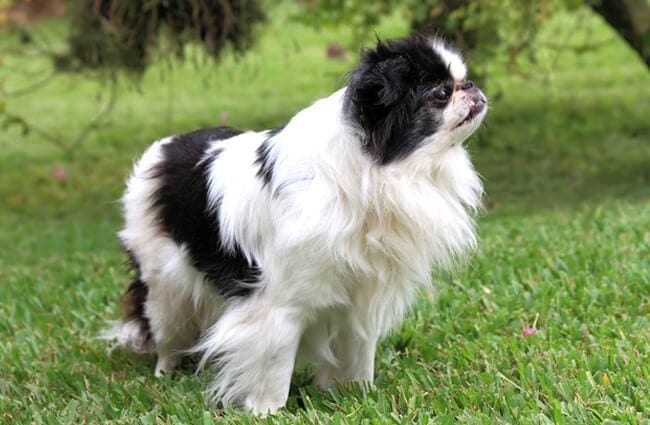
The Japanese Chin, a breed steeped in history and possessing a unique personality, continues to captivate dog lovers worldwide. Often described as “real-life feline” due to their cat-like grooming habits and independent nature, these small companions offer a blend of elegance, intelligence, and playful charm. This guide provides a comprehensive exploration of the Japanese Chin, from their ancient origins to their modern-day care requirements.
A Regal History
The Japanese Chin’s story begins not in Japan, as the name might suggest, but in the imperial palaces of China and Korea. These small dogs were highly prized by royalty, serving as cherished companions for centuries. Historical records indicate they were given as gifts to Japanese emperors around the 7th century, where they quickly gained favor within the Japanese aristocracy.
For hundreds of years, the Japanese Chin was exclusively bred for the imperial court, maintaining its status as a symbol of luxury and refinement. The breed’s fortunes shifted during Japan’s period of isolation, but they were reintroduced to the Western world in the mid-19th century with the opening of trade. Queen Victoria and other European nobility were charmed by their unique appearance and gentle temperament, further cementing their popularity.
Physical Characteristics
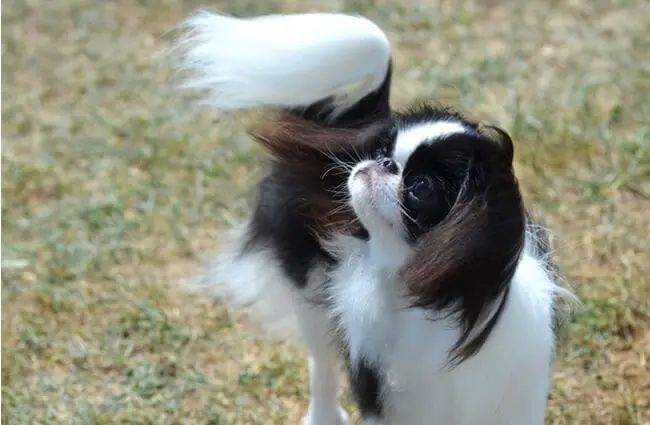
The Japanese Chin is a small, refined breed, typically standing between 8 to 11 inches tall and weighing between 7 to 11 pounds. Their most striking feature is their distinctive face, with a short, broad muzzle, large, expressive eyes, and a noticeable stop. They possess a luxurious, flowing coat that comes in a variety of colors, including black and white, red and white, sable and white, and lemon and white. A symmetrical pattern of color on the face is considered ideal.
Their tails are heavily plumed and curl gracefully over their backs, adding to their elegant silhouette. The breed exhibits a unique gait, described as a graceful, effortless trot. While seemingly delicate, they are surprisingly agile and athletic.
Temperament and Personality
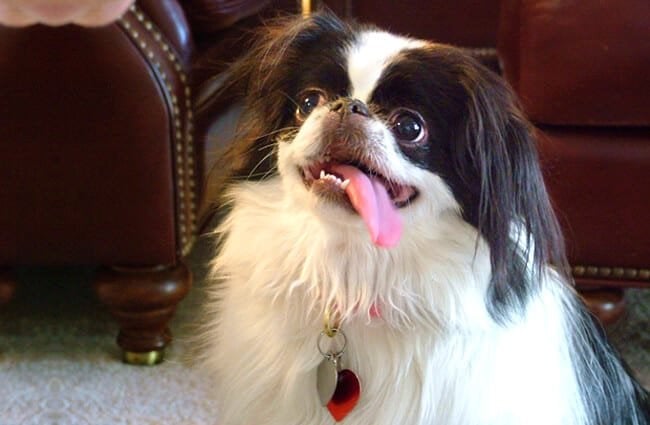
The Japanese Chin is known for its sweet, affectionate, and playful personality. They are intelligent dogs, but can also be somewhat independent and stubborn, making training a bit of a challenge. Early socialization and consistent, positive reinforcement are crucial for developing a well-adjusted companion.
These dogs are known for their “Chinning” behavior, lifting their front paws in the air as if offering a handshake. It’s a charming quirk that showcases their playful and endearing nature. While generally quiet, they may vocalize to express excitement or alert their owners to something unusual. Japanese Chins are often described as “velcro dogs” as they enjoy being near their families and participating in household activities. They bond strongly with their owners and can suffer from separation anxiety if left alone for extended periods.
Care and Maintenance
Grooming
The Japanese Chin’s long, flowing coat requires regular grooming to prevent matting and maintain its beauty. Brushing several times a week is essential, and professional grooming may be necessary every few months. They are moderate shedders, so regular brushing can help minimize loose hair around the home.
Exercise
While not excessively energetic, Japanese Chins benefit from daily exercise. Short walks, playtime indoors, and interactive games are sufficient to keep them physically and mentally stimulated. They are adaptable and can thrive in both apartments and houses with yards.
Diet
A high-quality diet appropriate for small breeds is essential for maintaining their health and vitality. Portion control is important, as they can be prone to weight gain. Consult with a veterinarian to determine the best feeding plan for your individual dog.
Health Considerations
Japanese Chins are generally healthy dogs, but like all breeds, they are predisposed to certain health conditions. These may include:
- Patellar Luxation: A condition where the kneecap slips out of place.
- Progressive Retinal Atrophy (PRA): A degenerative eye disease that can lead to blindness.
- Cataracts: Clouding of the lens of the eye.
- Heart Murmurs: Common in some lines, requiring monitoring.
- Brachycephalic Airway Issues: As their slightly shortened muzzle may cause mild breathing difficulties.
Regular veterinary checkups and responsible breeding practices can help minimize the risk of these conditions.

Training and Socialization
Early socialization is crucial for Japanese Chins to ensure they develop into well-adjusted companions. Exposing them to a variety of people, places, and sounds from a young age will help them become confident and adaptable.
Training can be a bit challenging due to their independent nature, but consistency and positive reinforcement are key. Short, fun training sessions are more effective than long, drawn-out ones. Reward-based methods, such as treats and praise, work best. They respond well to gentle guidance and may not thrive under harsh or punitive training methods.
Is a Japanese Chin Right for You?
The Japanese Chin is a delightful breed that can bring years of joy to the right owner. They are best suited for individuals or families who can provide them with plenty of attention, gentle guidance, and a loving home. They thrive in calmer environments and may not be the best choice for households with very young children or boisterous pets. If you are looking for an elegant, affectionate, and playful companion, the Japanese Chin may be the perfect breed for you.
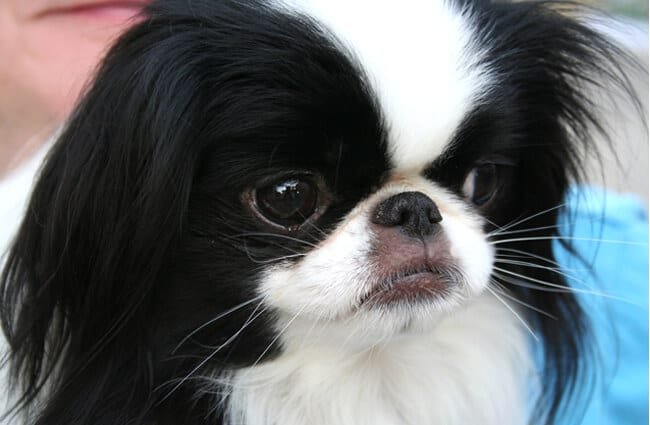
Their unique blend of regal bearing, playful spirit, and feline-like charm makes them truly special. With proper care, training, and socialization, a Japanese Chin will enrich your life with years of companionship and unconditional love.




![Closeup of a beautiful Red Angus cowPhoto by: U.S. Department of Agriculture [pubic domain]https://creativecommons.org/licenses/by/2.0/](https://animals.net/wp-content/uploads/2020/03/Red-Angus-4-100x75.jpg "Red Angus")