A Deep Dive into the Irish Water Spaniel
The Irish Water Spaniel, often referred to as the “Whiptail” due to its distinctive tail, is a breed steeped in history and brimming with character. More than just a handsome face, this energetic and intelligent dog is a fascinating subject for both prospective owners and canine enthusiasts. This comprehensive guide will unravel the mysteries of the Irish Water Spaniel, covering its origins, temperament, care requirements, and unique traits.
Origins and History
Hailing from Ireland, the Irish Water Spaniel’s precise ancestry is somewhat shrouded in mystery. However, most experts believe it is a combination of old Spanish Water Dogs, Portuguese Water Dogs, Barbet, and possibly even Poodles. The breed was developed over centuries in the bogs and wetlands of Ireland, originally used as gundogs to retrieve waterfowl and game. These dogs were crucial to local sportsmen, able to navigate challenging terrain and cold water with ease.
By the 19th century, the Irish Water Spaniel gained popularity in England and was exhibited in dog shows. Sadly, the breed nearly faced extinction after both World Wars, but dedicated breeders worked tirelessly to revive its numbers. Today it enjoys a stable, though not overwhelmingly common, presence worldwide. Its working origins have profoundly shaped its temperament and needs, qualities that continue to define the breed.
Physical Characteristics
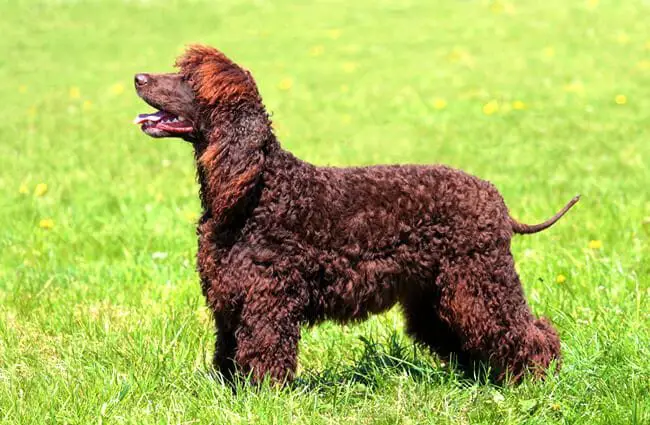
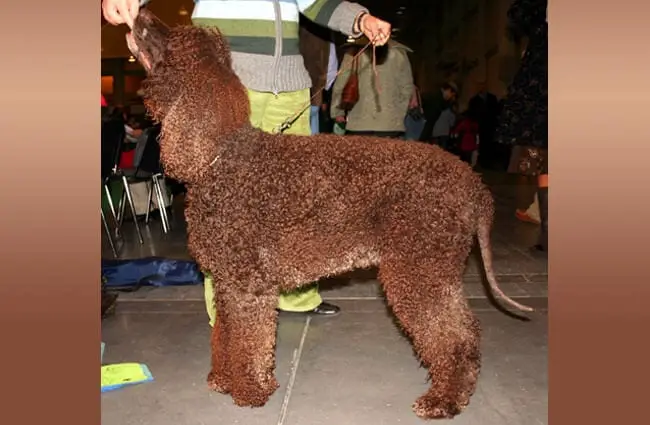
The Irish Water Spaniel is a medium to large‑sized dog, exhibiting a strong and athletic build. Males typically stand 22 to 24 inches tall at the shoulder and weigh 50 to 65 pounds, while females measure 21 to 23 inches and weigh 45 to 55 pounds. What truly sets this breed apart is its distinctive “rat tail” – a smooth, tapering tail that is significantly thinner at the tip. This unique tail is not a genetic defect; it is a breed standard and the result of adaptation for swimming, providing less drag in the water.
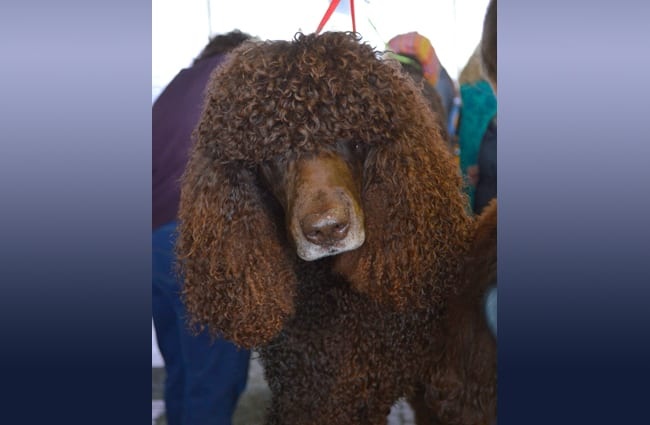
The Irish Water Spaniel boasts a dense, water‑repellent double coat. The outer coat is tight curls, while the undercoat is soft and dense. The coat color is a rich liver brown, sometimes with a slight purple sheen. Their expressive eyes are typically dark brown, lending them an intelligent and inquisitive gaze. They also possess a characteristic topknot of long, loose curls.
Temperament and Personality
The Irish Water Spaniel is renowned for its intelligence, energy, and playful nature. They are often described as having a somewhat clownish personality, enjoying games and being the center of attention. However, this playful demeanor is balanced by a strong work ethic and a serious dedication to pleasing their owners. They are known to be somewhat aloof with strangers, displaying a natural watchfulness, but are incredibly loyal and affectionate with their families.
Early socialization is vital for Irish Water Spaniels to ensure they develop into well adjusted adults. Exposing them to a variety of people, places, and situations from a young age helps them overcome their natural reserve and build confidence. While not inherently aggressive, they can be protective of their families and territory, so consistent training is crucial. They are sensitive dogs and respond best to positive reinforcement methods.
Care Requirements
Owning an Irish Water Spaniel is a rewarding experience, but it requires a commitment to meeting their specific needs.
- Exercise: These are high‑energy dogs and require substantial daily exercise. Long walks, runs, swims, and engaging play sessions are essential to keep them physically and mentally stimulated. A bored Irish Water Spaniel can quickly become destructive.
- Grooming: Their curly coat requires regular grooming to prevent matting. Brushing several times a week is recommended, along with occasional professional grooming. Their ears should be checked and cleaned regularly to prevent infections.
- Training: Early and consistent training is vital. Irish Water Spaniels are intelligent but can also be independent, so a firm but gentle approach is best. They excel in activities like obedience, agility, and retrieving.
- Diet: A high‑quality dog food appropriate for their age and activity level is essential. Avoid overfeeding, as they can be prone to weight gain.
- Health: While generally healthy, Irish Water Spaniels can be prone to certain health conditions, including hip dysplasia, progressive retinal atrophy (PRA), and canine bloat. Regular veterinary checkups and responsible breeding practices can help minimize these risks.
Suitability for Different Lifestyles
The Irish Water Spaniel isn’t the right breed for everyone. They thrive in active households where they receive plenty of exercise and mental stimulation. They are best suited for families who enjoy outdoor activities and can provide a consistent training regimen. They can do well with children, but early socialization and supervision are important. They may not be the best choice for apartment living unless their exercise needs are met through other means.
The Unique “Whiptail”
The distinctive tail of the Irish Water Spaniel isn’t just a cosmetic feature. It is a functional adaptation that evolved to aid in swimming. The smooth, tapering tail provides minimal drag in the water, allowing the dog to maneuver more efficiently. It also acts as a rudder, helping to steer the dog while swimming. Interestingly, the length of the tail can vary, but a minimum length is specified in breed standards.
A Breed for Enthusiasts
The Irish Water Spaniel is a remarkable breed with a rich history, a unique appearance, and a captivating personality. They are intelligent, energetic, and loyal companions for the right owners. While they require a significant commitment to exercise, training, and grooming, the rewards are immeasurable. For those seeking an active and engaging canine companion, the Irish Water Spaniel is a truly special breed.

![Closeup of a beautiful Red Angus cowPhoto by: U.S. Department of Agriculture [pubic domain]https://creativecommons.org/licenses/by/2.0/](https://animals.net/wp-content/uploads/2020/03/Red-Angus-4-100x75.jpg "Red Angus")