A Comprehensive Guide to the Giant Schnauzer
The Giant Schnauzer, a breed steeped in history and brimming with personality, is a captivating canine companion. Often described as a “rustic working aristocrat,” this impressive dog is far more than just a large version of the more familiar Miniature and Standard Schnauzers. This guide will delve into the nuances of the Giant Schnauzer, covering everything from its origins and physical characteristics to its behavioral traits and care requirements, offering insights for both prospective owners and breed enthusiasts.
Origins and Historical Purpose
The Giant Schnauzer’s roots trace back to Germany in the 15th and 16th centuries. Originally bred in Bavaria, these dogs weren’t initially conceived as show animals. They were working dogs, specifically developed for driving livestock, guarding farms, and protecting properties. The breed’s name itself, “Schnauzer,” derives from the German word “Schnauze,” meaning snout or muzzle, referencing the breed’s distinctive beard and mustache. These early Giant Schnauzers were versatile farm hands, capable of herding cattle, protecting sheep, and even pulling small carts.
Later, during both World Wars, the breed found a new purpose. Their intelligence, trainability, and courage led to their employment as military dogs, serving as messengers, guard dogs, and patrol animals. After the wars, dedicated breeders worked to refine the breed, focusing on temperament and conformation, eventually leading to the recognition of the Giant Schnauzer by major kennel clubs.
Physical Characteristics
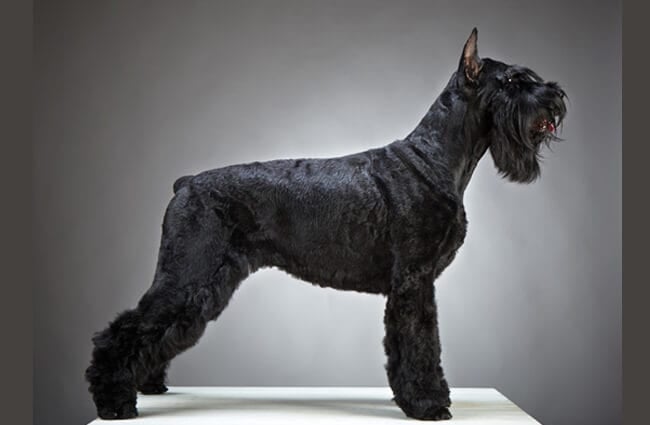
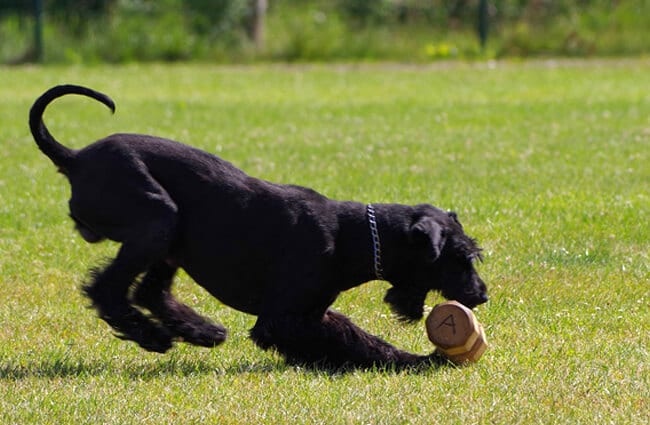
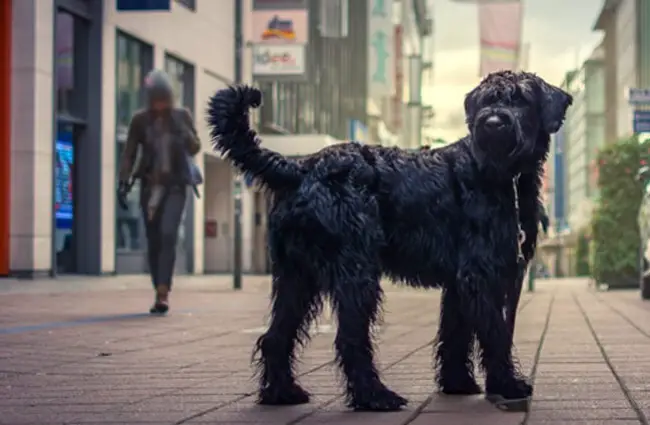
The Giant Schnauzer is a powerfully built and substantial dog. Males typically stand between 23.5 and 27.5 inches tall at the shoulder and weigh between 65 and 90 pounds. Females are slightly smaller, ranging from 22 to 26 inches and weighing 50 to 70 pounds. Their build is rectangular, showcasing strength and endurance.
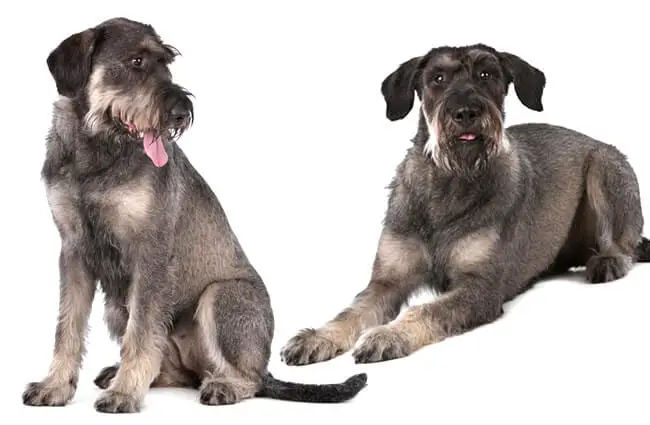
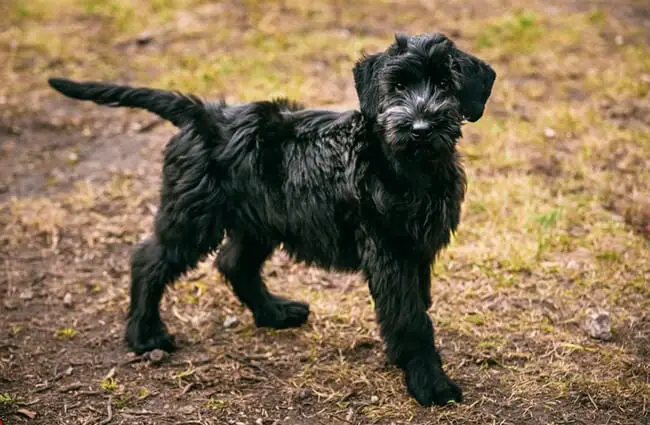
The breed is known for its harsh, dense double coat. The outer coat is wiry and relatively long, while the undercoat is softer. Common colors include solid black, salt and pepper, and black and silver. The coat requires regular grooming to prevent matting and maintain its characteristic texture. A distinctive feature is their bushy eyebrows and beard, giving them an expressive and intelligent appearance. Their eyes are typically dark brown, conveying alertness and intelligence.
Temperament and Behavioral Traits
Giant Schnauzers are renowned for their strong will, intelligence, and protective nature. They possess a confident and somewhat independent streak, requiring consistent training and socialization from a young age. This isn’t a breed for novice dog owners; their intelligence demands mental stimulation, and their energy requires a dedicated owner who can provide adequate exercise.
They are naturally protective of their family and territory, making them excellent watchdogs. However, this protectiveness can sometimes translate into territorial aggression if not properly managed through socialization. Early exposure to various people, animals, and environments is crucial to ensure a well‑adjusted temperament. Giant Schnauzers are generally good with children, especially when raised with them, but supervision is always recommended due to their size and exuberance.
They are known for their playful and affectionate nature with their family, enjoying games and being involved in family activities. However, they can be aloof with strangers, exhibiting a reserved demeanor until they feel comfortable. This breed thrives on having a job to do, whether it’s participating in dog sports, obedience training, or simply being a loyal companion.
Care Requirements: Keeping Your Giant Schnauzer Happy
Providing a fulfilling life for a Giant Schnauzer requires a commitment to both physical and mental well‑being.
- Exercise: Giant Schnauzers are high energy dogs. They require at least one to two hours of vigorous exercise daily. This could include long walks, jogging, hiking, swimming, or participating in dog sports like agility or Schutzhund.
- Grooming: Their double coat requires regular brushing several times a week to prevent matting. Professional grooming, including stripping (removing dead hair from the coat), is recommended several times a year.
- Training: Early socialization and obedience training are essential. Positive reinforcement methods work best with this intelligent and sensitive breed. Consistency is key.
- Diet: A high quality, balanced diet is crucial, especially during puppyhood. Giant Schnauzers are prone to bloat, so feeding smaller, more frequent meals can help.
- Health: Like all breeds, Giant Schnauzers are predisposed to certain health conditions. Hip and elbow dysplasia, bloat, hypothyroidism, and certain cancers are among the concerns. Regular veterinary checkups are essential for early detection and prevention.
Mental Stimulation: Giant Schnauzers are intelligent dogs that need mental challenges. Puzzle toys, interactive games, and obedience training can help keep them engaged and prevent boredom.
Beyond the Basics: Nuances for Dedicated Owners
For those deeply interested in the breed, several aspects deserve further attention.
Prey Drive: Giant Schnauzers retain a strong prey drive due to their herding and guarding ancestry. Careful management is necessary around smaller animals, and off‑leash exercise should be done in securely fenced areas.
Working Potential: This breed excels in various canine activities, including Schutzhund (protection training), agility, obedience, tracking, and search and rescue. Providing opportunities to utilize their working potential can greatly enhance their quality of life.
Socialization Challenges: Due to their protective nature, Giant Schnauzers can sometimes be dog aggressive, particularly towards same‑sex dogs. Early and ongoing socialization is crucial, but careful monitoring and management may be necessary throughout their lives.
Is a Giant Schnauzer Right for You?
The Giant Schnauzer is a remarkable breed, offering loyalty, intelligence, and a distinctive personality. However, they are not a breed for everyone. They require a dedicated owner who can provide consistent training, ample exercise, and plenty of mental stimulation. If you are an active individual or family with experience in handling strong‑willied dogs, and you are prepared to meet the unique needs of this magnificent breed, a Giant Schnauzer may be the perfect companion. Thorough research and careful consideration are essential before bringing this impressive dog into your life.
![Closeup of a beautiful Red Angus cowPhoto by: U.S. Department of Agriculture [pubic domain]https://creativecommons.org/licenses/by/2.0/](https://animals.net/wp-content/uploads/2020/03/Red-Angus-4-100x75.jpg "Red Angus")