The Finnish Spitz, a vibrant and vocal breed originating from Finland, is a captivating companion with a rich history and unique characteristics. Often referred to as “the barking bird dog,” this breed possesses an intriguing blend of independence, intelligence, and affectionate loyalty. This comprehensive guide explores the nuances of the Finnish Spitz, offering insights for both prospective owners and breed enthusiasts.
A Glimpse into History
Initially, these dogs were used to lure game birds—particularly grouse, capercaillie, and black grouse—to hunters. Their distinctive barking alerted hunters to the prey’s location. These dogs didn’t necessarily retrieve birds but pointed them out with a rapid-fire, staccato bark. This unique hunting style earned them the nickname “bark pointer.” The breed nearly went extinct in the late 19th and early 20th centuries due to overhunting and habitat loss. Dedicated breeders in Finland, led by Hugo Sandberg, worked tirelessly to revive the breed, establishing breed standards and preserving its characteristic traits. Their efforts were successful, and today the Finnish Spitz is a cherished national treasure in Finland and a growing favorite among dog lovers worldwide.
Physical Characteristics
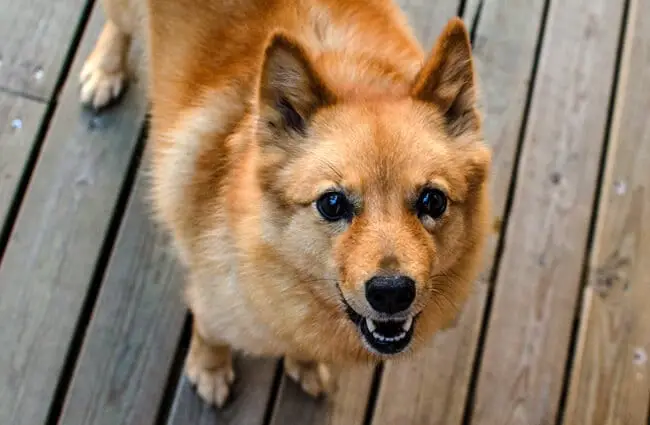
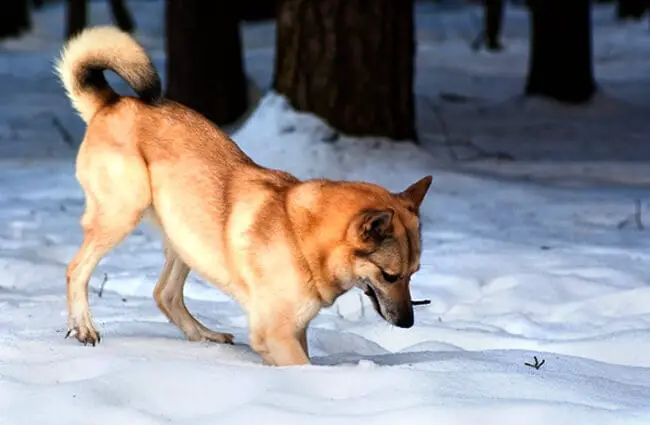
The Finnish Spitz is a medium-sized dog, exhibiting a sturdy, well-balanced build. Males typically stand between 19 to 20 inches tall and weigh approximately 33 to 40 pounds, while females measure 17 to 18 inches and weigh around 26 to 33 pounds. Their most striking feature is their rich, dense double coat, which comes in shades of red ranging from golden red to a deeper chestnut. This coat provides excellent insulation against harsh weather conditions, a testament to their Nordic origins. Beneath the outer coat lies a soft, woolly undercoat. The tail is typically carried curled over the back, adding to their fox-like appearance. Their ears are erect and pointed, and their dark, almond-shaped eyes convey intelligence and alertness.
Grooming Needs
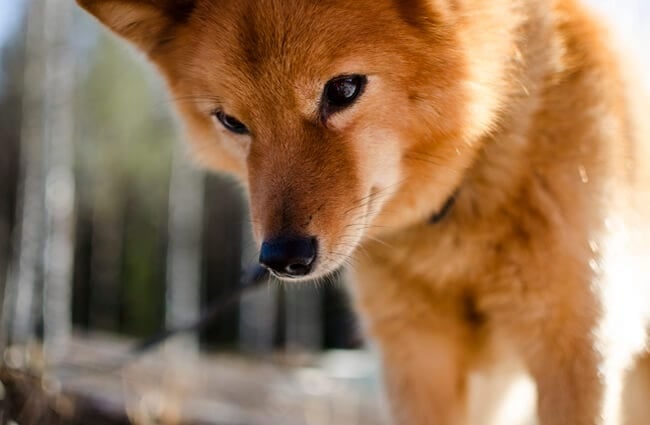
The Finnish Spitz requires regular grooming to maintain the health and appearance of their coat. Weekly brushing is essential to remove loose hair and prevent matting. During shedding season, which occurs twice a year, more frequent brushing may be necessary. They are moderate shedders, but the density of their coat means that hair will be noticeable. Occasional bathing is sufficient, but excessive bathing can strip the coat of its natural oils. Regular ear cleaning and nail trimming are also important aspects of their grooming routine.
Temperament and Behavior
The Finnish Spitz is known for its lively, independent, and intelligent nature. They are often described as having a “big dog” personality in a medium-sized package. They possess a strong hunting instinct and a natural tendency to bark, which requires consistent training and management. Early socialization is crucial to ensure they are well-adjusted and comfortable around other dogs and people. They can be somewhat reserved with strangers but are fiercely loyal and affectionate with their families.
Training and Exercise
The Finnish Spitz is an intelligent breed but can be somewhat stubborn. Positive reinforcement training methods are most effective. Consistency and patience are key. They excel in activities that challenge their minds, such as agility, obedience, and scent work. Regular exercise is essential to keep them physically and mentally stimulated. Daily walks, runs, or play sessions are necessary to prevent boredom and destructive behavior. Due to their hunting instincts, it is important to provide them with a securely fenced yard or keep them on a leash during outdoor activities. Recall training is particularly important.
Living Environment and Ideal Owner
The Finnish Spitz is adaptable to various living environments, but they thrive best in homes with securely fenced yards where they can roam and explore. They are relatively active indoors and require sufficient space to move around. They can be sensitive to heat, so access to shade and cool water is essential during warmer months. They are not typically a breed suited for apartment living unless their exercise needs are consistently met.
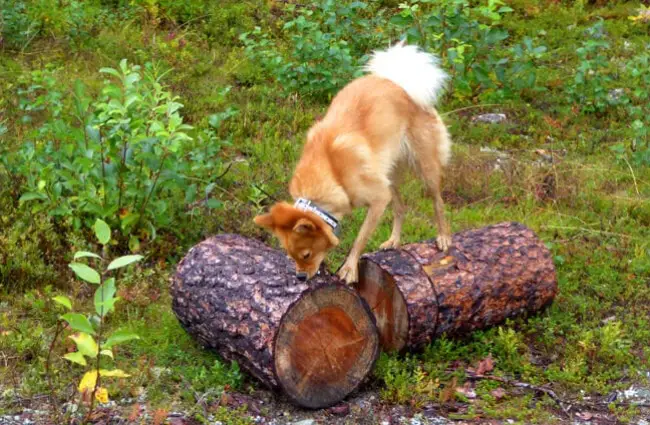
The ideal owner for a Finnish Spitz is someone who is active, patient, and experienced with independent breeds. They need an owner who understands their vocal nature and is willing to invest time in training and socialization. A Finnish Spitz is best suited for a family that appreciates a lively, intelligent companion who can provide years of joyful companionship.
Health Considerations
The Finnish Spitz is generally a healthy breed, but like all breeds, they are prone to certain health conditions. These include hip dysplasia, elbow dysplasia, progressive retinal atrophy (PRA), and patellar luxation. Responsible breeders screen their breeding stock for these conditions to minimize the risk of passing them on to their puppies. Regular veterinary checkups and a healthy diet are essential for maintaining the overall health and well‑being of a Finnish Spitz.
Beyond the Basics: Breed-Specific Nuances
For those delving deeper into the Finnish Spitz breed, understanding their unique communication style is crucial. Their barking isn’t simply random noise; it’s a complex vocalization used for a variety of purposes, including alerting, signaling, and expressing excitement. Experienced Finnish Spitz owners can often discern the meaning behind different types of barks. Furthermore, their independent nature stems from their historical role as autonomous hunters. They were bred to make decisions in the field and weren’t always reliant on direct human guidance. This independence can manifest as a certain level of stubbornness during training, requiring a trainer to adapt their techniques and prioritize positive reinforcement.

In conclusion, the Finnish Spitz is a captivating breed that offers a unique blend of intelligence, independence, and affectionate loyalty. Their rich history, striking appearance, and lively personality make them a cherished companion for those who appreciate a spirited and intelligent dog. With proper training, socialization, and a loving environment, a Finnish Spitz can bring years of joy and companionship to the right owner.



![Closeup of a beautiful Red Angus cowPhoto by: U.S. Department of Agriculture [pubic domain]https://creativecommons.org/licenses/by/2.0/](https://animals.net/wp-content/uploads/2020/03/Red-Angus-4-100x75.jpg "Red Angus")