
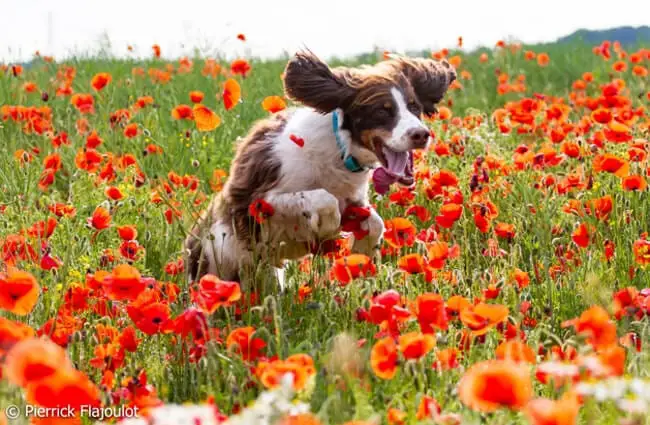
The Field Spaniel, a breed steeped in history and possessing a uniquely gentle temperament, often remains a hidden gem among sporting dogs. Originally developed in the mid-19th century England as a working gundog, this breed has transitioned into a beloved companion, maintaining a remarkable adaptability and endearing personality. Understanding the nuances of the Field Spaniel is key to providing a fulfilling life for both dog and owner.
A Breed Forged in the Fields
The story of the Field Spaniel begins with a desire for a smaller, more manageable spaniel suited to the evolving landscape of English shooting. Prior to the Field Spaniel’s development, spaniels were categorized broadly, with little distinction between sizes or roles. Breeders began selectively crossing Cocker Spaniels, English Springers, and even some Welsh Spaniels, with a focus on creating a dog capable of navigating dense undergrowth and flushing game efficiently.
However, early breeders pursued length excessively, resulting in a dog that was low to the ground and somewhat cumbersome. Thankfully, dedicated enthusiasts intervened, shifting the focus back to a more balanced, athletic build. This effort led to the Field Spaniel recognized today, a dog possessing both substance and elegance.
Physical Characteristics: A Balanced Sporting Dog
Field Spaniels are medium sized dogs, typically standing between 17 and 19 inches tall at the shoulder. Weight generally ranges from 35 to 50 pounds. A hallmark of the breed is its well-proportioned build, athletic, yet not overly bulky. The body is slightly longer than tall, conveying a sense of purpose and endurance.
The coat is a medium length, with feathering on the ears, chest, legs, and tail. Acceptable coat colors include black, liver, and roan, sometimes with white markings. A distinctive feature is the rich, glossy appearance of the coat, reflecting good health and proper grooming. The head is moderately long with a kind expression, and the eyes are dark and intelligent.

Temperament and Behavior: Gentle and Eager to Please
Perhaps the most endearing quality of the Field Spaniel is its temperament. These dogs are known for their gentle, affectionate nature and their eagerness to please. They form strong bonds with their families and thrive on human companionship. While possessing the inherent energy of a sporting breed, Field Spaniels are generally more laid back than some of their counterparts.
They are intelligent and relatively easy to train, responding well to positive reinforcement methods. Early socialization is crucial to ensure they are well adjusted and confident in various situations. Field Spaniels are typically good with children and other dogs, especially when raised with them from a young age. However, their hunting instincts may lead them to chase smaller animals, so caution is advised around cats or other vulnerable pets.
Caring for Your Field Spaniel
Exercise Needs
Field Spaniels require a moderate amount of exercise to stay physically and mentally stimulated. Daily walks, playtime in a securely fenced yard, or participation in activities like fetch or agility are excellent ways to meet their needs. They enjoy exploring and sniffing, so incorporating scent work into their routine can be particularly rewarding. Approximately one to two hours of activity per day is generally sufficient.

Grooming Requirements
The Field Spaniel’s coat requires regular grooming to prevent matting and maintain its healthy appearance. Brushing several times a week is recommended, with more frequent grooming during shedding seasons. Professional grooming every few months can help keep the coat looking its best. Regular ear cleaning is also essential, as the breed is prone to ear infections due to its floppy ears.
Dietary Needs
A high quality dog food formulated for medium sized breeds is essential for maintaining the Field Spaniel’s health and vitality. The amount of food will vary depending on the dog’s age, activity level, and metabolism. It’s important to avoid overfeeding, as obesity can lead to various health problems. Providing fresh water at all times is crucial.
Health Considerations
Like all breeds, the Field Spaniel is predisposed to certain health conditions. Hip dysplasia, elbow dysplasia, and progressive retinal atrophy (PRA) are among the most common concerns. Responsible breeders screen their breeding stock for these conditions to minimize the risk of passing them on to their puppies. Regular veterinary checkups are essential for early detection and treatment of any health problems. Ear infections, due to the conformation of their ears, are common and require prompt attention.

The Field Spaniel: A Breed for the Discerning Owner
The Field Spaniel, while not as widely recognized as some other sporting breeds, offers a unique combination of intelligence, gentleness, and athleticism. They thrive in active households where they receive plenty of attention, exercise, and mental stimulation. Their eagerness to please makes them relatively easy to train, and their affectionate nature makes them wonderful companions. For those seeking a loyal, well rounded dog with a touch of elegance, the Field Spaniel is a breed that deserves consideration.

Beyond the Basics: Nuances for the Dedicated Owner
Training Challenges and Solutions
While generally eager to please, Field Spaniels can exhibit a sensitive side. Harsh training methods can be counterproductive, leading to anxiety or withdrawal. Positive reinforcement, using rewards and praise, is far more effective. Consistency is key, and short, engaging training sessions are preferable to long, drawn out ones. Early socialization is paramount to prevent shyness or reactivity.
Understanding Their Hunting Instincts
The Field Spaniel retains a strong hunting drive, which can manifest in chasing behaviors. Providing ample opportunities for appropriate outlets, such as fetch or scent work, can help mitigate these instincts. Secure fencing is essential to prevent escapes, and caution should be exercised around small animals.
The Importance of Mental Stimulation
Field Spaniels are intelligent dogs that require mental stimulation to prevent boredom and destructive behaviors. Puzzle toys, interactive games, and training exercises can help keep their minds engaged. They also enjoy learning new tricks and participating in dog sports.



![Closeup of a beautiful Red Angus cowPhoto by: U.S. Department of Agriculture [pubic domain]https://creativecommons.org/licenses/by/2.0/](https://animals.net/wp-content/uploads/2020/03/Red-Angus-4-100x75.jpg "Red Angus")