
A Deep Dive into the English Foxhound
The English Foxhound is a breed steeped in history, purpose, and remarkable endurance. More than just a handsome face, this canine represents centuries of selective breeding aimed at creating the ultimate scent hound. Understanding this breed requires looking beyond the typical companion dog profile, as their origins and ingrained instincts heavily influence their needs and behaviors. This guide offers a comprehensive look into the English Foxhound, covering everything from their historical roots to contemporary care requirements.

Historical Origins and Purpose
The story of the English Foxhound begins in the British Isles, tracing back to the 17th century. Prior to this, various hound types existed, but the need for a dog specifically suited for fox hunting spurred focused breeding programs. These early hounds were a blend of breeds, influenced by the Greyhound, French hounds such as the Harrier, and older English and Irish hounds. The goal was not simply to catch foxes, but to pursue them over long distances and challenging terrain, providing a thrilling spectacle for hunters. Different packs developed distinct characteristics based on the terrain they hunted, leading to regional variations within the breed. The development of the modern English Foxhound is therefore inextricably linked to the evolution of the traditional fox hunt.
Physical Characteristics
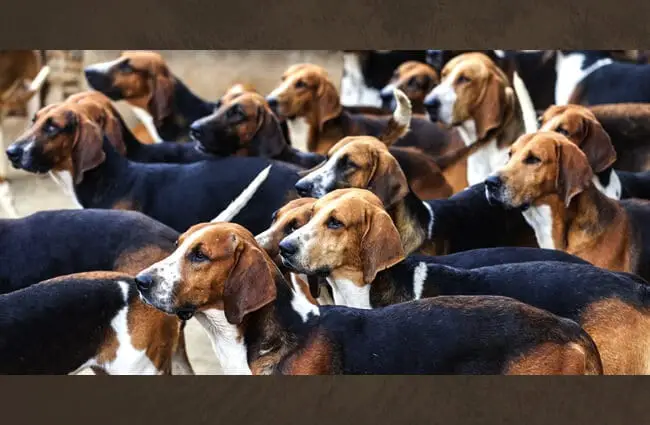
English Foxhounds are built for stamina and endurance. They are medium to large sized dogs, typically standing between 21 and 25 inches tall at the shoulder and weighing between 50 and 75 pounds. Their lean, muscular build reflects their athletic purpose. Their coat is short, dense, and weather resistant, usually a combination of white, black, tan, and red markings. A distinctive feature is their melodic baying, a loud, resonant vocalization used for communication during hunts. Their ears are long and pendulous, helping to funnel scents, and their tails are carried high during activity. While attractive, their appearance is secondary to their functional anatomy. Their deep chest and strong legs are evidence of their incredible lung capacity and running ability.
Temperament and Behavior
English Foxhounds are known for their friendly, outgoing, and sociable nature. However, it is crucial to understand that this is a breed driven by instinct. They are pack animals and thrive on companionship, whether it’s with humans or other dogs. They are incredibly energetic and require a significant amount of exercise to stay happy and healthy. If left to their own devices, they can become destructive due to boredom. A key characteristic is their strong scent drive. Once they pick up a scent, they are focused and determined, and can be difficult to recall. This instinct makes them excellent tracking dogs but presents challenges for off‑leash activities in unsecured areas. They are generally good with children, but their exuberance may be overwhelming for very young ones. Early socialization is vital to ensure they are well adjusted to various people, animals, and environments.
Care Requirements: Meeting the Needs of an English Foxhound
Caring for an English Foxhound is a commitment and requires a lifestyle that can accommodate their needs.
- Exercise: A minimum of two hours of vigorous exercise per day is essential. This could include long runs, hikes, or engaging activities like scent work.
- Space: While they can adapt to apartment living if sufficiently exercised, they are much happier with access to a large, securely fenced yard.
- Training: Positive reinforcement training is the most effective method. Consistency is key, and focusing on recall training is especially important.
- Diet: A high quality, protein‑rich diet is essential to fuel their active lifestyle.
- Grooming: Their short coat requires minimal grooming, with occasional brushing to remove loose hair.
- Mental Stimulation: Puzzle toys, scent work, and interactive games can help keep their minds engaged and prevent boredom.

Health Considerations
English Foxhounds are generally a healthy breed, but like all breeds, they are prone to certain health issues. Common concerns include:
- Hip Dysplasia: A genetic condition affecting the hip joint. Responsible breeders screen their dogs for this condition.
- Elbow Dysplasia: Similar to hip dysplasia, affecting the elbow joint.
- Ear Infections: Their long, pendulous ears can trap moisture, increasing the risk of ear infections. Regular ear cleaning is important.
- Bloat (Gastric Dilatation Volvulus): A life‑threatening condition where the stomach twists. Knowing the symptoms and seeking immediate veterinary care is crucial.
Is an English Foxhound Right for You?
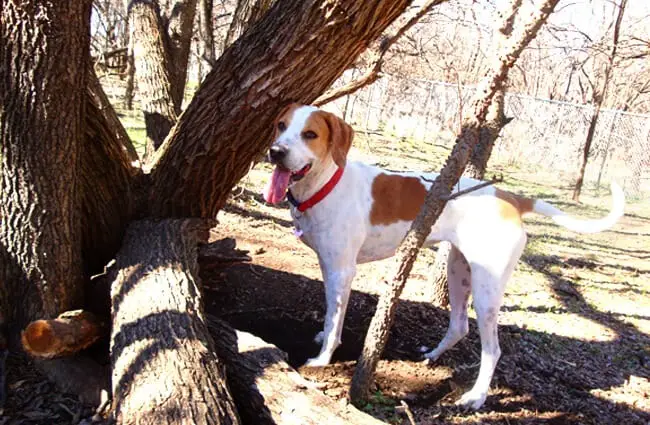
The English Foxhound is not a breed for everyone. They require an active owner who can provide them with the exercise, mental stimulation, and training they need to thrive. They are best suited for individuals or families who enjoy outdoor activities and have a secure environment for them to roam. If you are looking for a low‑maintenance companion dog, this breed is likely not a good fit. However, if you are prepared to meet their unique needs, the English Foxhound can be a loyal, affectionate, and rewarding companion.
Beyond the Hunt: Modern Roles
While traditionally bred for fox hunting, English Foxhounds are finding new roles in modern society. Their incredible scent‑tracking abilities make them valuable assets in search and rescue operations, drug detection, and even conservation efforts, where they can be used to track endangered species. They also excel in canine sports such as scent work, agility, and lure coursing. This versatility demonstrates the breed’s adaptability and intelligence beyond their historical purpose.
A Unique Vocalization
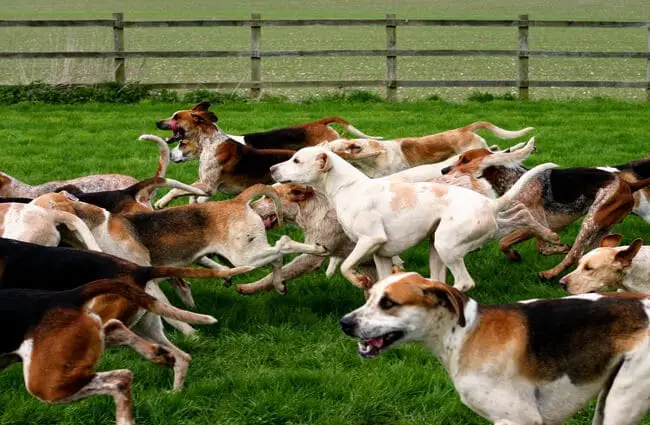
The distinctive baying vocalization of the English Foxhound is more than just noise. It’s a complex form of communication used during the hunt to maintain contact with the pack and signal the location of the fox. The baying sound is resonant, melodic, and carries over long distances. It’s a characteristic sound of the countryside and a testament to the breed’s long history as a working hound. While some owners may find it excessive in a suburban environment, it’s an integral part of the breed’s identity.

In conclusion, the English Foxhound is a remarkable breed with a rich history and a unique set of characteristics. Understanding their origins, temperament, and care requirements is essential for anyone considering bringing one of these magnificent hounds into their life. They are not a breed for the faint of heart, but for the dedicated owner, the rewards are immeasurable.




![Closeup of a beautiful Red Angus cowPhoto by: U.S. Department of Agriculture [pubic domain]https://creativecommons.org/licenses/by/2.0/](https://animals.net/wp-content/uploads/2020/03/Red-Angus-4-100x75.jpg "Red Angus")


