The Collie breed, instantly recognizable and beloved worldwide, holds a fascinating place in canine history. More than just the “Lassie” dog of popular culture, the Collie is a complex and intelligent breed with a rich heritage, demanding both respect and understanding from prospective owners.

Origins and History
The Collie’s story begins in the rugged highlands of Scotland and northern England. Originally bred as working dogs, they were instrumental in herding livestock, especially sheep. The name Collie comes from the Scottish Gaelic word “coille,” meaning “wood,” reflecting the dog’s connection to the Highlands. These early Collies were valued for their stamina, intelligence, and ability to work independently in challenging terrain.
During the 19th century, the breed underwent refinement as it gained popularity with landowners and enthusiasts. Different types emerged, tailored to specific herding needs and aesthetic preferences. The arrival of the Collie in North America further diversified the breed, leading to the development of both the Rough Collie and the Smooth Collie. The Rough Collie, with its profuse, flowing coat, became particularly favored in show rings, while the Smooth Collie retained a more practical, working appearance.
Physical Characteristics
Size and Weight
Collies are medium to large dogs. Males typically stand 24 to 26 inches tall at the shoulder and weigh between 60 to 75 pounds. Females are slightly smaller, measuring 22 to 24 inches in height and weighing 50 to 65 pounds. It is important to note that individual dogs can vary, and maintaining a healthy weight is crucial for their overall wellbeing.
Coat and Color
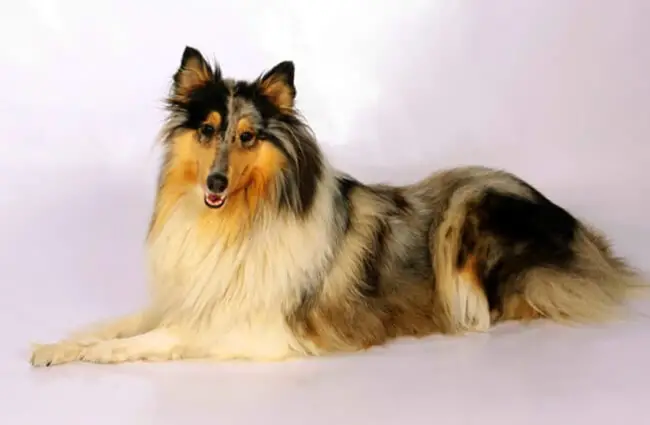
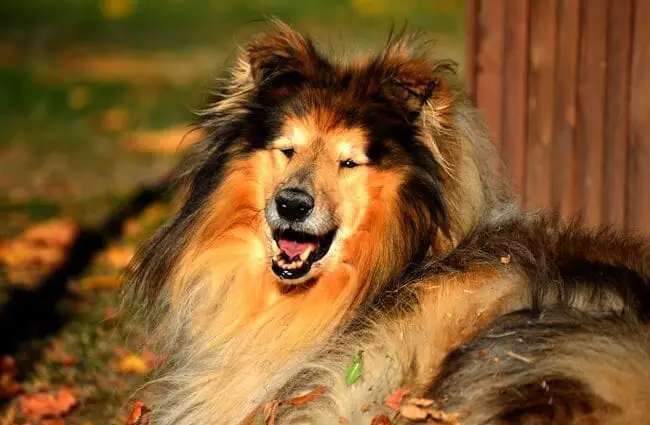
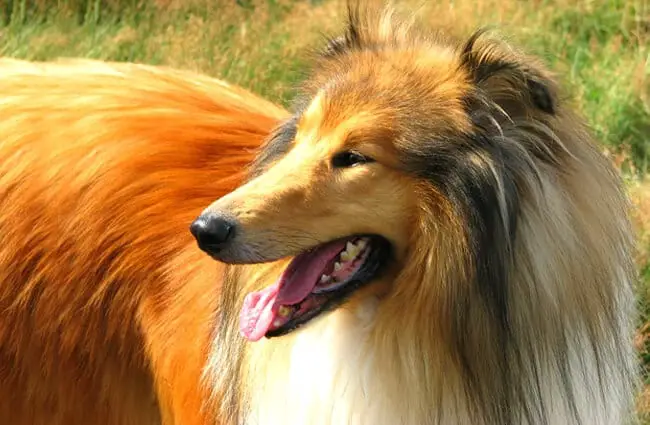
The Collie’s coat is one of its most distinctive features. Rough Collies boast a long, dense double coat, while Smooth Collies have a shorter, smooth coat. Both varieties require regular grooming to prevent matting and maintain a healthy shine.
Collies come in a variety of colors, including sable and white, tri color (black, white, and tan), and blue merle. Sable is a dominant color, leading to many variations in shade. Merle, a pattern of mottled coloring, requires careful breeding to avoid health issues.

Temperament and Behavior
Collies are renowned for their intelligence, loyalty, and gentle nature. They thrive on human companionship, and their herding instincts combine to make them excellent family pets, provided they receive consistent training and mental stimulation.
They are naturally protective of their families and can be reserved with strangers. Early socialization is vital to ensure they develop into well adjusted adults. Collies are eager to please, making them relatively easy to train with positive reinforcement methods. However, their intelligence means they can become bored easily, so training sessions should be engaging and varied.
A Collie’s herding instincts may manifest as attempts to “herd” children or other pets. This behavior is not aggression, but a natural expression of their breed history. Redirecting this instinct with appropriate activities, like fetch or agility training, can provide a healthy outlet.
Care and Maintenance
Exercise Needs
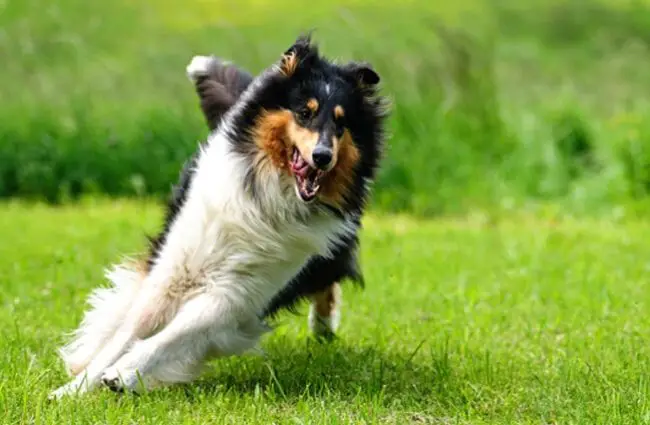
Collies are energetic dogs who require regular exercise to stay healthy and happy. Daily walks, runs, or play sessions are essential. They excel in canine sports like agility, flyball, and obedience, which provide both physical and mental stimulation. A bored Collie can become destructive, so providing adequate outlets for their energy is crucial.
Grooming Requirements
Rough Collies require significant grooming to prevent matting and tangles. Regular brushing several times a week is necessary. Occasional bathing and trimming are also important. Smooth Collies require less grooming, but still benefit from regular brushing to remove loose hair. Dental hygiene is also essential, with regular teeth brushing recommended.
Dietary Needs
Collies require a high-quality dog food formulated for medium to large breeds. The amount of food will vary depending on their age, activity level, and metabolism. It is important to monitor their weight and adjust their food intake accordingly. Avoid feeding them table scraps or foods that are toxic to dogs.
Health Considerations
While generally a healthy breed, Collies are prone to certain genetic health conditions. These include progressive retinal atrophy (PRA), Collie eye anomaly (CEA), hip dysplasia, and dermatomyositis. Reputable breeders will screen their dogs for these conditions before breeding, minimizing the risk of passing them on to their puppies.
Dermatomyositis is a particular concern in Collies, an autoimmune disease affecting the skin and muscles. It is important to be aware of the symptoms, which include skin lesions, muscle weakness, and pain. Early diagnosis and treatment are crucial for managing the condition.
Regular veterinary checkups are essential for maintaining a Collie’s health. These checkups should include vaccinations, parasite prevention, and screening for genetic health conditions.
Is a Collie Right For You?
The Collie is a wonderful breed for the right owner. They thrive in active households where they receive plenty of attention, exercise, and mental stimulation. They are affectionate and loyal companions, but also require consistent training and grooming.
If you are looking for a dog who will happily join you on outdoor adventures, participate in canine sports, and cuddle up on the couch, a Collie might be the perfect fit. However, if you are unable to provide them with the time, attention, and exercise they need, another breed might be a better choice. Careful consideration of your lifestyle and commitment level is crucial before bringing a Collie into your home.
The Collie, with its rich history, striking appearance, and intelligent nature, continues to captivate dog lovers worldwide. Understanding their unique needs and characteristics is essential for ensuring a happy and fulfilling life for both the dog and the owner.




![Closeup of a beautiful Red Angus cowPhoto by: U.S. Department of Agriculture [pubic domain]https://creativecommons.org/licenses/by/2.0/](https://animals.net/wp-content/uploads/2020/03/Red-Angus-4-100x75.jpg "Red Angus")