The Chinese Crested is a fascinating breed that stands out for its unique appearance and lively personality. This guide covers the breed’s history, physical traits, temperament, and care needs, helping prospective owners and enthusiasts better understand this special companion.
A Glimpse into History
Although the name suggests a Chinese origin, the Chinese Crested’s roots are not definitively linked to China. Ancient drawings show hairless dogs in Chinese art, but the modern breed is thought to descend from African hairless dogs that were brought aboard Chinese trading ships. These vessels carried a variety of animals, and the dogs were bred in ports across Mexico and Turkey. The breed served as ratters, companions, and even as warm stones for sick people. The Chinese Crested gained popularity in Europe and eventually arrived in the United States in the late 19th and early 20th centuries, where breeders refined the standard we recognize today.
Physical Characteristics
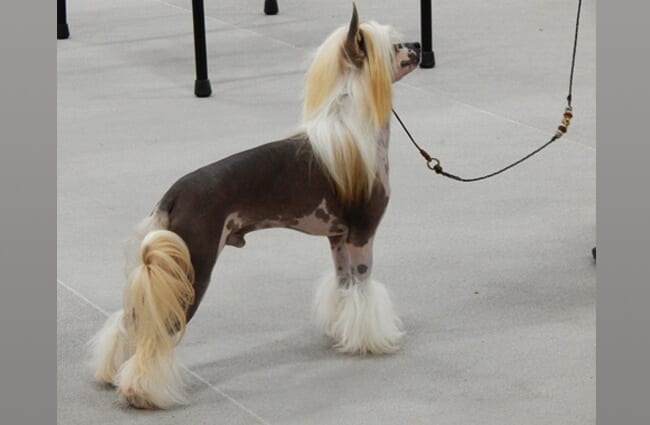
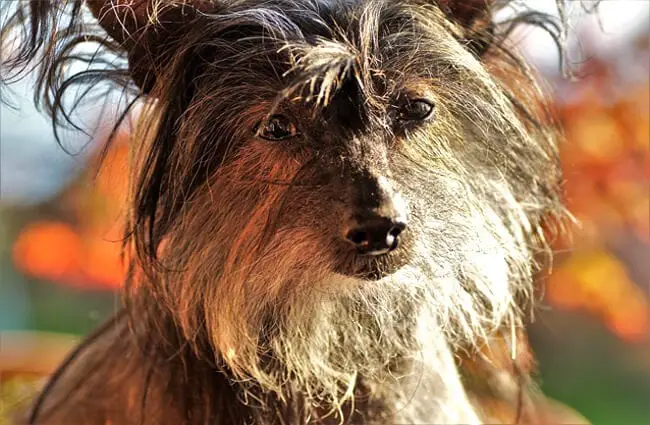
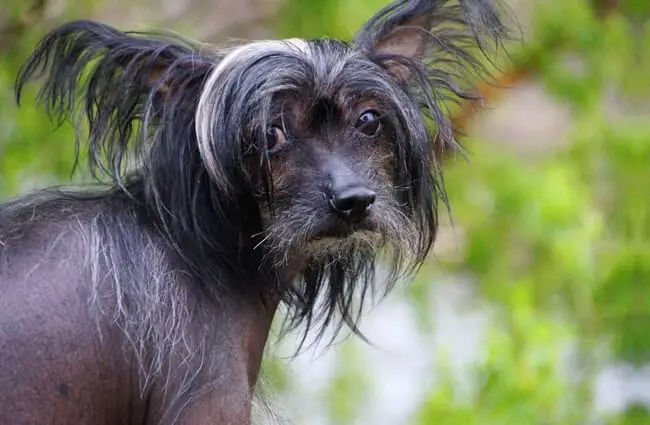
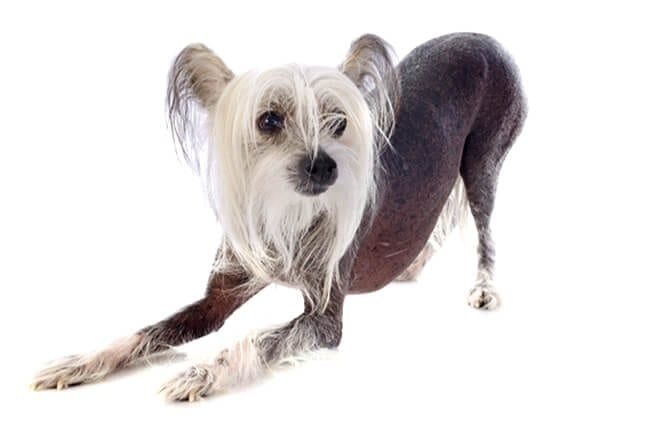
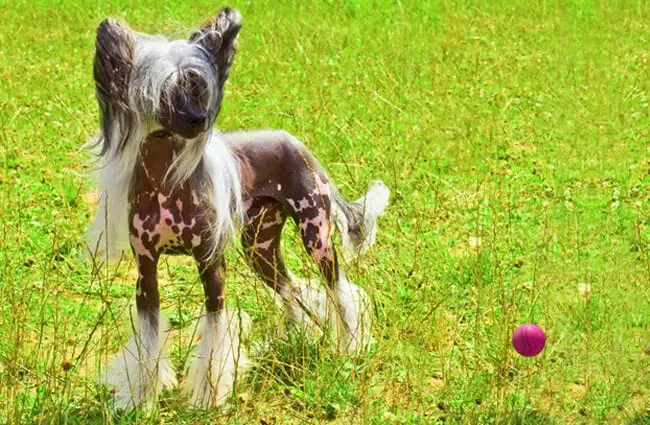
The most striking feature of the Chinese Crested is its coat—or the lack of one. The breed has two distinct varieties: the Hairless and the Powderpuff. The Hairless dogs have soft, fine hair on the crest of the head, the plume (tail), and the feet, giving them a feather‑like look. Their skin often shows beautiful pigmentation. The Powderpuff has a full, silky coat that covers the entire body. Both varieties are small, usually weighing between 5 and 12 pounds and standing 11 to 13 inches tall.
Temperament and Behavior
Chinese Cresteds are affectionate, playful, and often comical. They are intelligent dogs eager to please, which makes training with positive reinforcement methods effective. However, they can be somewhat independent and mischievous. Early socialization is essential to ensure they adapt well to people, places, and other animals. They may reserve themselves around strangers but are deeply devoted to their families. Many owners describe them as “Velcro dogs” because they love staying close and participating in family activities. Their athletic build allows them to enjoy games and short bursts of activity.
Caring for Your Chinese Crested
Caring for a Chinese Crested requires specific attention, especially regarding skin and coat care. Below are essential care points.
Grooming
The grooming needs differ between the Hairless and Powderpuff varieties. Hairless dogs need regular bathing to remove oil buildup on their skin, and sunscreen is essential to protect exposed skin from sunburn. Moisturizing can help prevent dryness. Powderpuffs benefit from frequent brushing—several times a week—to prevent mats and tangles. Professional grooming every few months is recommended to keep the coat healthy and attractive.
Exercise
Despite their small size, Chinese Cresteds are energetic. Daily exercise, such as short walks, indoor play, and interactive games, keeps them healthy and happy. They can also enjoy canine sports like agility and obedience training.
Diet
Feed a high‑quality dog food formulated for small breeds. Monitor portions closely, as these dogs can gain weight easily. Dental chews and regular teeth brushing are also important for oral health.
Health Considerations
Chinese Cresteds are generally healthy, but they are prone to several conditions:
- Progressive Retinal Atrophy (PRA): An eye disease that can lead to blindness.
- Lens Luxation: The lens of the eye becomes displaced.
- Patellar Luxation: The kneecap dislocates, a common issue in small breeds.
- Skin Allergies: Hairless dogs are especially susceptible to skin irritation and allergic reactions.
Regular veterinary checkups and early detection are crucial for managing these conditions.
Is a Chinese Crested Right for You?
Chinese Cresteds adapt well to apartments and houses alike, provided they receive adequate exercise. They thrive when owners can give them plenty of attention, affection, and mental stimulation. Their unique look and playful spirit make them excellent companions for singles, couples, and families with older children. Potential owners should be prepared to meet specific grooming needs and address health concerns. Because of their delicate skin, Chinese Cresteds are not generally recommended for very young children.
Beyond the Basics: Breed‑Specific Insights
Understanding breed‑specific tendencies can deepen the bond with a Chinese Crested. These dogs are highly sensitive and respond best to gentle training. Harsh corrections can erode trust and willingness to learn. They are also food motivated, which can aid training but requires careful monitoring to avoid weight gain. Some individuals may develop separation anxiety, so early desensitization and enrichment are key to preventing this issue. Finally, the breed can be vocal, expressing itself through a range of yips and playful sounds.
A Rewarding Companion
The Chinese Crested is more than a unique look; it is a loving, intelligent, and engaging companion. With proper care, training, and affection, these “hairless wonders” or “powderpuff princes” enrich the lives of their owners for years. Their playful nature and unwavering devotion make them truly special members of the canine family.





![Closeup of a beautiful Red Angus cowPhoto by: U.S. Department of Agriculture [pubic domain]https://creativecommons.org/licenses/by/2.0/](https://animals.net/wp-content/uploads/2020/03/Red-Angus-4-100x75.jpg "Red Angus")