
A Comprehensive Guide to the Cardigan Welsh Corgi
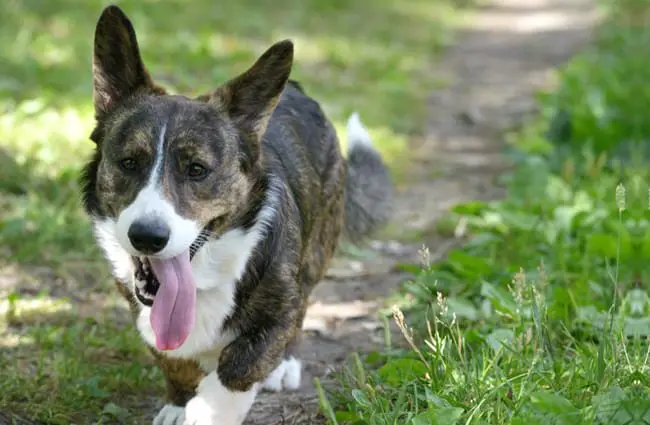
The Cardigan Welsh Corgi, often simply called a Cardigan, is a distinctive and captivating breed with a rich history and a personality that endears it to many. These low‑set herding dogs, originating from Wales, possess a unique blend of intelligence, resilience, and affectionate charm. Understanding this breed’s origins, characteristics, and care requirements is crucial for prospective owners seeking a loyal and engaging companion.
History and Origins
The Cardigan Welsh Corgi boasts a lineage stretching back over a thousand years. Unlike its more widely known cousin, the Pembroke Welsh Corgi, the Cardigan is believed to be the older of the two breeds. They were brought to Wales by Celtic tribes, possibly even by Viking settlers, and played a vital role in rural life as all‑purpose farm dogs. Their primary function was herding cattle, sheep, and horses, but they also served as guardians of the homestead and general working dogs.
The name “Corgi” itself is believed to derive from the Welsh words “cor” meaning dwarf and “gi” meaning dog. Cardigans were named after the Cardiganshire region of Wales, where they were particularly prevalent. Historically, they were valued for their versatility and hardiness, traits that have remained ingrained in the breed today. Their short legs weren’t a breeding flaw, but an evolutionary advantage allowing them to nip at the heels of livestock while avoiding kicks.
Physical Characteristics
Size and Weight
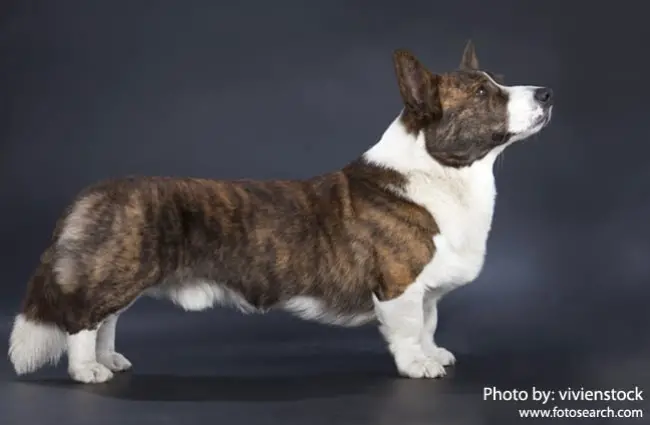
Cardigan Welsh Corgis are relatively small but sturdy dogs. Males typically stand between 10.5 and 12.5 inches tall at the shoulder, while females are slightly smaller, ranging from 10 to 11.5 inches. Their weight generally falls between 25 and 38 pounds, although some individuals may be slightly larger or smaller. This compact size contributes to their agility and makes them well‑suited for various living environments.
Coat and Color
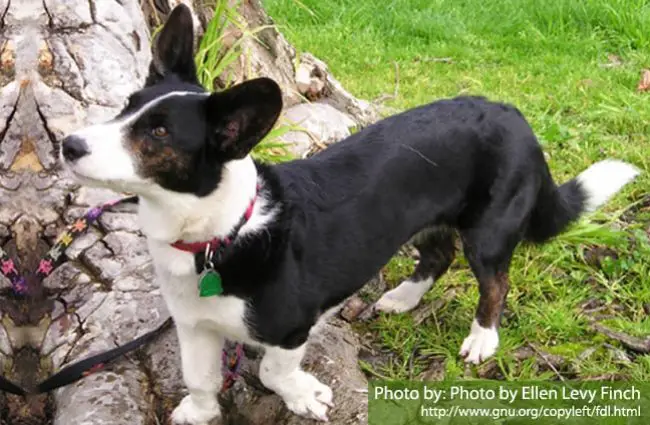
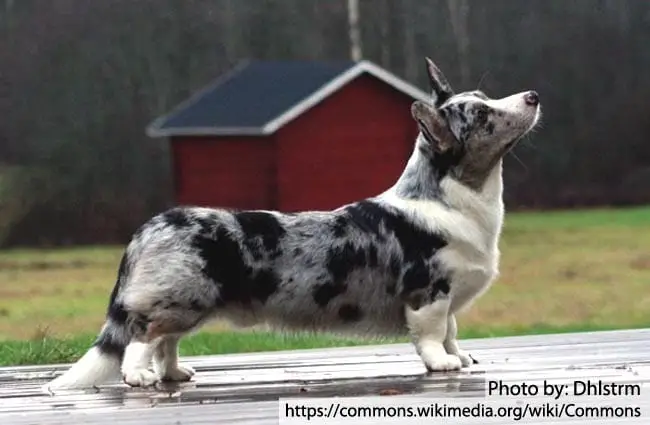
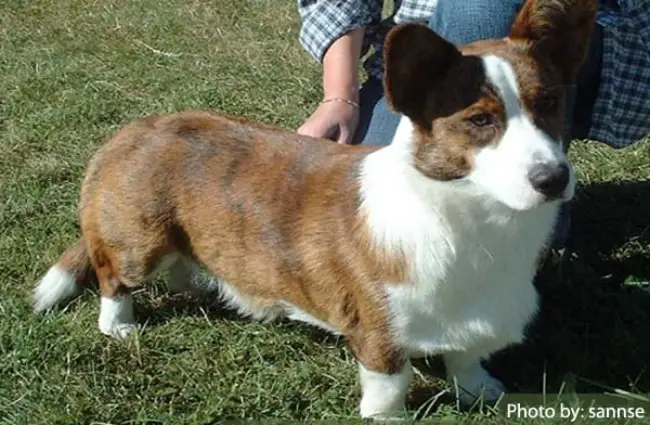
The Cardigan’s coat is double‑layered, featuring a dense undercoat for insulation and a longer, weather‑resistant outer coat. This makes them adaptable to both warm and cold climates. A distinctive feature is the “bib” of slightly longer hair on the chest. Cardigans come in a wide variety of colors including red, sable, brindle, black, and blue merle, often with white markings. The blue merle displays a marbled pattern of gray and black; owners should be aware that this color can be linked to congenital deafness, so early hearing testing is recommended.

Temperament and Behavior
Cardigan Welsh Corgis are known for their intelligent, lively, and affectionate personalities. They are naturally playful and enjoy being part of a family. Their herding background gives them a tendency to “heel” or nip at the heels of moving objects, including people, which can be managed through training. They are often described as having a “big dog” personality in a small package.
Cardigans are generally good with children and other pets, especially if they are socialized from a young age. However, their herding instincts may lead them to try to herd children or other animals. Early socialization and consistent training are crucial to ensure a harmonious relationship. They can be wary of strangers, making them excellent watchdogs, but they are not typically aggressive.
Care and Maintenance
Exercise Needs
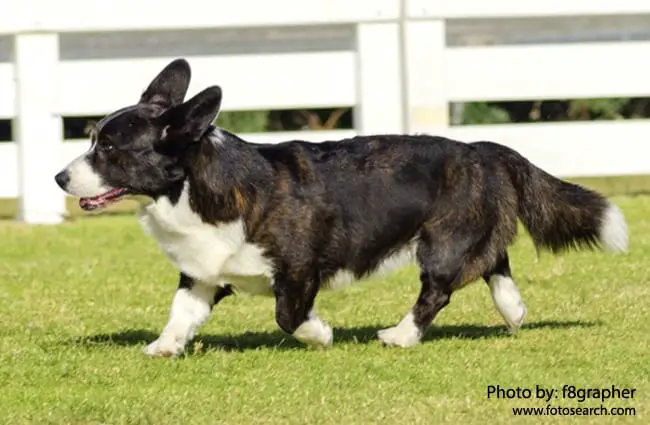
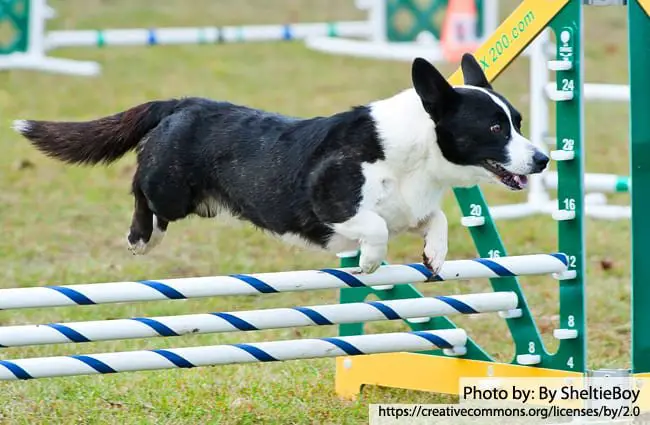
Despite their short legs, Cardigan Welsh Corgis are surprisingly energetic dogs. They require regular exercise to stay physically and mentally stimulated. Daily walks, playtime, and interactive games are essential. They excel in dog sports like agility, herding trials, and obedience. A minimum of 30 to 60 minutes of exercise per day is generally recommended.
Grooming
Cardigans shed moderately throughout the year, with heavier shedding seasons in the spring and fall. Regular brushing, several times a week, is necessary to remove loose hair and prevent matting. Bathing should be done as needed, typically every few months. It’s important to check their ears regularly for signs of infection and trim their nails as needed.
Training and Socialization
Cardigan Welsh Corgis are intelligent and eager to please, making them relatively easy to train. However, they can also be independent and stubborn at times. Positive reinforcement techniques, such as rewarding good behavior with treats and praise, are most effective. Consistency and patience are key. Early socialization is crucial to expose them to various people, places, and sounds, helping them develop into well‑adjusted adults. Addressing the herding instinct through redirection and training is important.
Health Considerations
Cardigan Welsh Corgis are generally a healthy breed, but like all breeds, they are prone to certain health conditions. Some common health concerns include:
- Intervertebral Disc Disease (IVDD): Their long backs make them susceptible to this condition, which can cause pain, weakness, and even paralysis.
- Progressive Retinal Atrophy (PRA): This degenerative eye disease can lead to blindness.
- Hip Dysplasia: A malformation of the hip joint that can cause pain and arthritis. Weight management and controlled exercise help reduce risk.
- Degenerative Myelopathy (DM): A progressive spinal cord disease that affects mobility.
Responsible breeders screen their dogs for these health conditions, helping to minimize the risk of passing them on to future generations. Regular veterinary checkups are essential for early detection and treatment of any health problems.
Is a Cardigan Welsh Corgi Right for You?
The Cardigan Welsh Corgi is a wonderful companion for active individuals and families who can provide them with plenty of exercise, mental stimulation, and affection. They thrive in environments where they are included in family activities and given opportunities to learn and play. If you are looking for a loyal, intelligent, and playful companion with a unique personality, the Cardigan Welsh Corgi may be the perfect breed for you.
Beyond the Basics: Nuances for Dedicated Owners
For those considering a deeper connection with the Cardigan Welsh Corgi, there are subtle aspects to understand. Their intelligence demands consistent mental challenges. Puzzle toys, trick training, and even scent work can stave off boredom and undesirable behaviors. While generally adaptable, Cardigans appreciate a predictable routine. Changes in schedule or environment can cause anxiety, so a gradual introduction to new situations is best.
Their herding instincts, while charming, require mindful management. Providing appropriate outlets, such as herding balls or controlled playdates with livestock (under supervision), can redirect this energy. Be aware that Cardigans can be vocal, especially when excited or guarding their territory. Early training can help manage excessive barking. Finally, their double coat requires diligent care, particularly during shedding season. A deshedding tool can be invaluable.
In conclusion, the Cardigan Welsh Corgi is more than just a charmingly low‑slung canine. It’s a breed steeped in history, brimming with personality, and capable of forging a profoundly rewarding relationship with a dedicated and understanding owner.



![Closeup of a beautiful Red Angus cowPhoto by: U.S. Department of Agriculture [pubic domain]https://creativecommons.org/licenses/by/2.0/](https://animals.net/wp-content/uploads/2020/03/Red-Angus-4-100x75.jpg "Red Angus")


