
A Legacy of Guardianship: Understanding the Cane Corso
The Cane Corso, a breed steeped in history and renowned for its imposing presence, is far more than just a large dog. Originally hailing from Italy, these powerful canines were developed as all‑purpose farm dogs, capable of guarding property, controlling livestock, and even assisting in big‑game hunting. Understanding their historical roles is key to appreciating their present‑day characteristics and needs. This guide delves into the world of the Cane Corso, exploring its origins, temperament, care requirements, and suitability as a companion.

Historical Roots and Breed Development
The name “Cane Corso” itself provides clues to the breed’s heritage. “Cane” simply means dog in Italian, while “Corso” refers to the course of the dog while working with livestock. Their ancestors can be traced back to the Roman Molossers, massive dogs used in warfare. Over centuries, the breed evolved in the Italian countryside, becoming adept at a variety of tasks. Unlike some breeds that were refined for specific aesthetics, the Cane Corso remained a working dog, prized for its functionality and resilience. During times of agricultural prosperity, the Cane Corso was a valuable asset on farms. As times changed, its numbers dwindled, and dedicated breeders worked tirelessly to preserve the breed and restore it to its former glory. The breed experienced a resurgence in popularity in the late 20th and early 21st centuries, but a responsible approach to breeding is crucial to maintain its temperament and health.
Physical Characteristics: A Powerful Physique
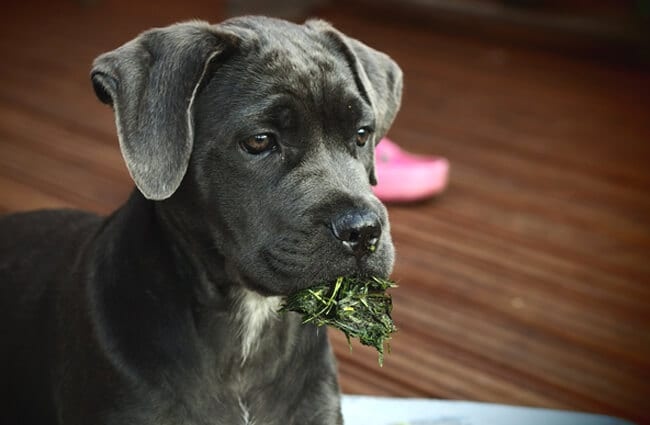
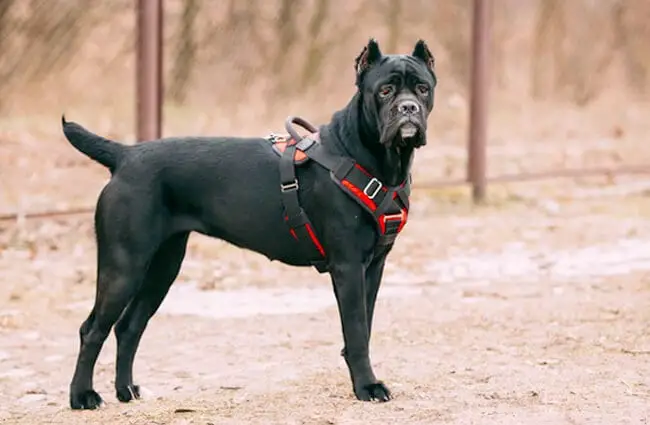
The Cane Corso is a large and muscular breed. Males typically stand between 25 and 27.5 inches tall at the shoulder and weigh between 100 and 110 pounds. Females are slightly smaller, ranging from 23.5 to 26 inches and weighing between 90 and 100 pounds. Their build is athletic and powerful, exhibiting a strong chest and well‑developed muscles. The coat is short, dense, and slightly coarse, requiring minimal grooming. Common coat colors include black, grey, fawn, and brindle. A defining feature is their expressive face, with a slightly wrinkled forehead and alert, intelligent eyes. The Cane Corso also possesses a characteristic dewclaw on each hind leg, a remnant of its working heritage.

Temperament and Behavior: More Than Just a Guard Dog
While often perceived as intimidating, the Cane Corso is known for its loyalty and protective nature toward its family. They are intelligent and eager to please, making them trainable with consistent, positive reinforcement methods. However, their strong will and independent streak require a firm, confident handler. Early socialization is paramount to ensure they are well‑adjusted and comfortable around strangers, other dogs, and various environments. Without adequate socialization, they can become suspicious and reactive. Cane Corsos have a natural guarding instinct, and while this makes them excellent watchdogs, it also necessitates responsible ownership to prevent overprotectiveness. They are generally reserved with strangers but affectionate and playful with their family. Their intelligence also means they need mental stimulation to prevent boredom and destructive behaviors. Puzzle toys, obedience training, and interactive games are all excellent ways to keep them engaged.
Caring for Your Cane Corso: Meeting Their Needs
Exercise Requirements
Cane Corsos are energetic dogs that require a significant amount of exercise. Daily walks, runs, or play sessions are essential to keep them physically and mentally stimulated. They excel in activities like weight pulling, agility, and obedience training. A bored Cane Corso can quickly become destructive, so providing ample opportunities for exercise is crucial. At least two hours of vigorous activity a day is recommended.
Diet and Nutrition
A high quality diet formulated for large breed dogs is essential. The diet should be appropriate for their age and activity level. Because they grow rapidly as puppies, it is important to avoid overfeeding, which can lead to hip and elbow dysplasia. Feed them several smaller meals throughout the day rather than one large meal. Consider a raw or gently cooked diet under the guidance of a veterinary nutritionist for optimal health.
Grooming and Hygiene
The Cane Corso’s short coat requires minimal grooming. Regular brushing will help remove loose hair and maintain a healthy coat. They do shed moderately year‑round. Regular nail trimming and dental care are also important. Pay attention to their ears, as they can be prone to infections. Clean them regularly with a vet‑approved ear cleaning solution.
Training and Socialization
Early socialization is absolutely crucial for Cane Corsos. Expose them to a variety of people, places, sounds, and other dogs from a young age. Enroll them in obedience classes and consider advanced training activities like protection work or scent detection. Use positive reinforcement methods and be consistent with your commands. Their strong will requires a firm but fair handler.
Health Considerations
While generally healthy, Cane Corsos are prone to certain health conditions. Hip and elbow dysplasia are common, so responsible breeders should screen their dogs for these conditions. Gastric torsion (bloat) is a life‑threatening condition that requires immediate veterinary attention. Other potential health concerns include eye problems, such as ectropion and entropion, and heart conditions. Regular veterinary checkups are essential for early detection and treatment of any health problems.

Is a Cane Corso Right for You?
The Cane Corso is a magnificent breed, but it is not for everyone. They require a dedicated owner who is willing to invest the time and effort into training, socialization, and exercise. They thrive in a home with a securely fenced yard and an active lifestyle. This breed is best suited for experienced dog owners who understand the needs of a large, powerful breed. A Cane Corso will be a loyal and protective companion for the right owner, but a poorly trained or unsocialized Cane Corso can be a handful. Consider your lifestyle, experience, and ability to provide for this breed’s unique needs before bringing a Cane Corso into your home.
Beyond the Basics: Understanding Breed‑Specific Traits
Cane Corsos exhibit a strong bond and protective instinct toward specific members of the family. This behavior is not aggression but a display of unwavering loyalty and commitment. Understanding this instinct allows owners to appreciate the depth of their bond with their dog. Another fascinating trait is their sensitivity. Despite their imposing size, Cane Corsos are surprisingly sensitive to their owner’s emotions and can be easily affected by stress or anxiety. Creating a calm and stable environment is crucial for their well‑being. Moreover, they possess a natural guarding instinct toward resources, such as food and toys. This instinct can be managed through proper training and socialization, teaching them to share and relinquish items when asked.
The Future of the Breed
As the Cane Corso gains popularity, it is crucial to prioritize responsible breeding practices. Focus should be placed on preserving the breed’s temperament, health, and working abilities. Genetic testing, health screenings, and careful selection of breeding pairs are essential to minimize the risk of inherited health problems. Continued education for owners and breeders is also vital to ensure the Cane Corso remains a healthy, well‑adjusted, and beloved breed for generations to come. By preserving their historical legacy and prioritizing responsible ownership, the future of the Cane Corso is bright.





![Closeup of a beautiful Red Angus cowPhoto by: U.S. Department of Agriculture [pubic domain]https://creativecommons.org/licenses/by/2.0/](https://animals.net/wp-content/uploads/2020/03/Red-Angus-4-100x75.jpg "Red Angus")