The Brussels Griffon, a small dog with a remarkably expressive face and a personality that belies its size, is a breed steeped in history and brimming with character. Often described as “little men in red coats,” these charming canines have captured the hearts of dog lovers for generations. This guide provides a comprehensive exploration of the Brussels Griffon, covering everything from their origins to their specific needs and quirky behaviors.

A Breed Born in the Carriages of Brussels
The story of the Brussels Griffon begins in 19th‑century Belgium, specifically in the bustling city of Brussels. These dogs weren’t bred for nobility or sport, but as companions and ratters in the stables and carriages of the city. They were favored by coachmen and stable hands, who appreciated their tenacity and ability to keep vermin at bay. The breed’s early ancestors included Affenpinschers, Pugs, and perhaps even English Toy Spaniels and Yorkshire Terriers. This mix resulted in a small, sturdy dog with a distinctive, somewhat human‑like expression.
Physical Characteristics
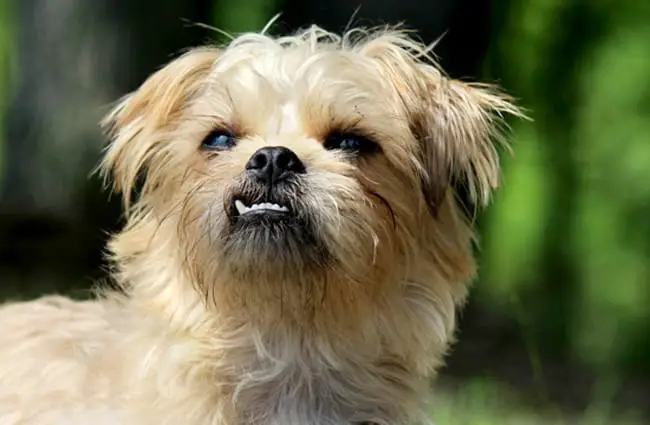
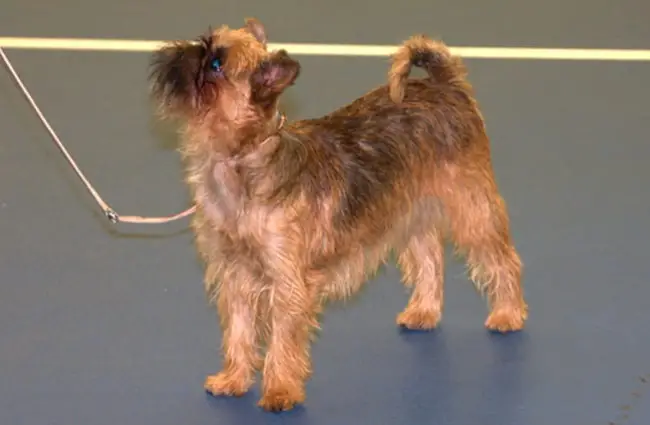
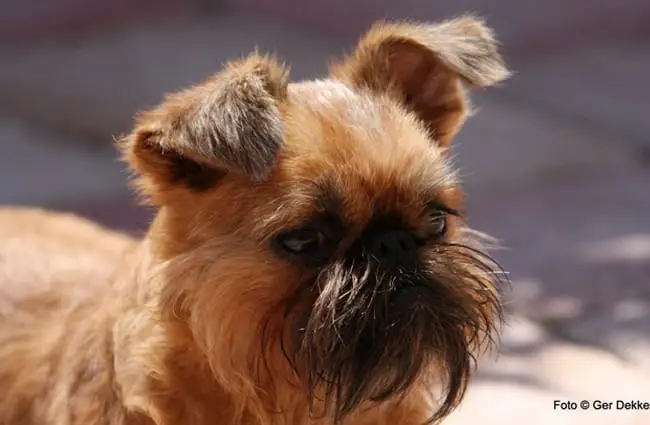
Brussels Griffons are categorized into two coat types: rough and smooth. The rough coat is dense, thick, and slightly wiry, while the smooth coat is short, glossy, and lies close to the body. The breed’s most recognizable feature is its almost human‑like face, characterized by large, expressive eyes, a short muzzle, and a pronounced chin.
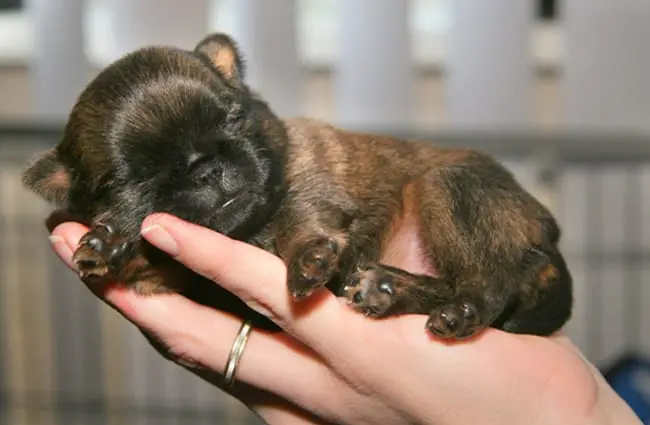
Size and Weight: These are decidedly small dogs. Typically, they stand between 7 and 10 inches tall and weigh between 8 and 12 pounds. This makes them well‑suited to apartment living and easy to transport.
Color: Common coat colors include red, black, black and tan, and belge (a mix of red and black).
Temperament and Behavior
The Brussels Griffon possesses a personality that is, in a word, big. They are intelligent, lively, and often described as mischievous. They have a strong sense of self‑importance and can be quite stubborn, which makes training rewarding, but potentially challenging.
Loyalty and Affection: Brussels Griffons are intensely loyal and form strong bonds with their families. They enjoy being involved in all aspects of household life and can become quite attached to their owners. They often pick a favorite person and will follow them around like a shadow.
Alertness and Watchdog Ability: Despite their small size, they make surprisingly effective watchdogs. They are alert, curious, and quick to bark at anything unusual. This can be a positive trait, but early socialization is essential to prevent excessive barking.
Playfulness and Energy Levels: Brussels Griffons are playful dogs who enjoy games and short bursts of activity. They don’t require extensive exercise, but regular walks and playtime are important for their physical and mental well‑being.
Caring for Your Brussels Griffon
Grooming
Grooming requirements vary depending on the coat type. Rough‑coated Brussels Griffons require regular brushing to prevent matting and stripping several times a year to maintain the texture of the coat. Smooth‑coated Griffons require less maintenance but still benefit from regular brushing. Regular ear cleaning and nail trimming are also essential.
Exercise
Daily walks and playtime are sufficient to keep a Brussels Griffon happy and healthy. They do not require strenuous exercise, making them suitable for owners with less active lifestyles. However, mental stimulation is crucial to prevent boredom and destructive behavior.
Training
Brussels Griffons are intelligent but can be stubborn, making consistent, positive reinforcement training essential. Short, engaging training sessions are more effective than long, drawn‑out ones. Early socialization is crucial to help them become well‑adjusted and confident dogs.
Diet
A high‑quality dog food formulated for small breeds is recommended. Monitor their weight and adjust food intake as needed to prevent obesity. Avoid feeding them table scraps, as this can lead to digestive problems and weight gain.
Health Considerations
While generally healthy, Brussels Griffons are prone to certain health conditions. These include:
- Syringomyelia: A serious condition affecting the spinal cord.
- Cataracts: Clouding of the lens of the eye.
- Patellar Luxation: Dislocation of the kneecap.
- Breathing Problems: Due to their short muzzles, they can be prone to breathing difficulties, especially in hot or humid weather.
- Hip Dysplasia: Though less common, it can occur.
Regular veterinary checkups and preventative care can help detect and manage these conditions.

Is a Brussels Griffon Right for You?
The Brussels Griffon is a charming and intelligent companion for the right owner. They thrive in homes where they receive plenty of attention and affection. They are well‑suited to apartment living and are relatively low‑energy, but they still need daily exercise and mental stimulation. Their stubborn streak requires patient and consistent training. If you are looking for a small dog with a big personality and are willing to provide the care and attention they need, a Brussels Griffon may be the perfect addition to your family.
Interesting Facts
- Brussels Griffons were popular with the Belgian aristocracy.
- Queen Marie Henriette of Belgium was a devoted fan of the breed.
- They are known for their comical expressions and “human‑like” faces.
- They have a distinctive beard and mustache, which requires regular grooming.
- Despite their small size, they have a surprisingly loud bark.
The Brussels Griffon is more than just a dog; it is a character, a companion, and a source of endless amusement. Their unique personality and expressive face are sure to capture the hearts of all who meet them.
![Closeup of a beautiful Red Angus cowPhoto by: U.S. Department of Agriculture [pubic domain]https://creativecommons.org/licenses/by/2.0/](https://animals.net/wp-content/uploads/2020/03/Red-Angus-4-100x75.jpg "Red Angus")