
The Briard, often hailed as the “heart wrapped in fur,” is a magnificent canine whose shaggy appearance belies a rich history and a profound intelligence. Originating from the pastoral landscapes of France, this ancient breed has served humanity for centuries, evolving from a formidable guardian of flocks to a cherished family companion and even a hero of wartime. Delving into the world of the Briard reveals a creature of remarkable loyalty, strength, and an unmistakable charm that captivates all who encounter it.
Unveiling the Briard: Basic Information
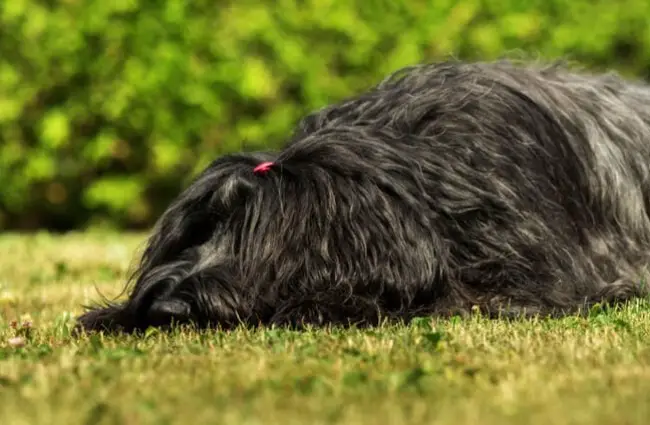
The Briard, also known as the Berger de Brie, is a large, robust herding dog renowned for its distinctive long, shaggy coat and confident demeanor. This breed carries itself with an air of quiet dignity, always observant and ready to act when needed.
Physical Characteristics
- Size: Males typically stand 23 to 27 inches (58-69 cm) at the shoulder, while females range from 22 to 25.5 inches (56-65 cm). Their weight can vary significantly, often between 70 to 100 pounds (32-45 kg).
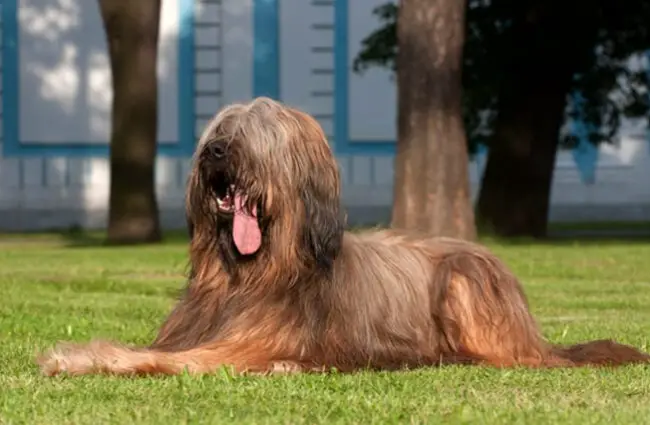
- Coat: The Briard’s most striking feature is its long, coarse, and dry outer coat, which can be straight or slightly wavy, covering a fine, dense undercoat. This double coat provides excellent protection against the elements.
- Colors: Common coat colors include black, fawn (ranging from light to dark), and grey. White markings are generally not preferred in the breed standard.
- Distinctive Features: A hallmark of the Briard is its unique double dewclaws on each hind leg, a trait believed to aid in traction on uneven terrain. Their long hair often falls over their eyes, forming a natural fringe that protects them from sun and debris.
Temperament and Personality
Briards are celebrated for their intelligent, loyal, and protective nature. They form strong bonds with their families and are known for being particularly good with children, often adopting a watchful, gentle demeanor around them. However, their protective instincts mean they can be wary of strangers, making early socialization crucial. They possess a keen intellect and a strong will, requiring consistent training and a confident leader.
Lifespan
On average, a Briard lives for 10 to 12 years, though some individuals may live longer with excellent care and genetics.
The Briard’s Journey Through Time: Evolution and History
The Briard’s lineage stretches back centuries, deeply intertwined with the agricultural history of France. Its exact origins are somewhat shrouded in the mists of time, but it is widely believed to be one of the oldest French herding breeds.
Ancient Roots in French Farmlands
The Briard’s ancestors were likely large, robust dogs used by shepherds in the Brie region of France (hence “Berger de Brie,” or “Shepherd of Brie”). Their primary roles were twofold: to herd sheep and cattle, guiding them across vast pastures, and to guard them fiercely against predators like wolves and human rustlers. This dual role shaped their physical and mental attributes, fostering both agility and a formidable protective instinct.
A Breed Forged in Utility
Unlike many breeds developed for specific aesthetic traits, the Briard’s evolution was driven purely by utility. Farmers needed a dog that could withstand harsh weather, cover long distances, think independently, and possess the courage to confront threats. The Briard’s shaggy coat provided insulation, its sturdy build offered endurance, and its intelligence allowed it to make decisions in the absence of human direction. The double dewclaws, a persistent trait, are thought to be a remnant of this working past, potentially offering better grip on slippery or uneven terrain.
From Farm to Front Lines: The Briard in War
The Briard’s intelligence, courage, and keen senses were recognized beyond the farm. During World War I, Briards were extensively used by the French army. They served as sentry dogs, ambulance dogs, and even ammunition carriers, navigating treacherous battlefields to deliver supplies and locate wounded soldiers. Their bravery and dedication earned them immense respect and solidified their place in French history as national heroes. This wartime service brought the breed to international attention, leading to its eventual spread beyond France.

Where the Briard Thrives: Habitat and Lifestyle
While historically a dog of open pastures, the modern Briard’s “habitat” is primarily a domestic one, though its needs reflect its working heritage.
Historical Habitat
The traditional habitat of the Briard was the rural farmlands of France, particularly the Brie region. Here, they roamed vast fields, often working independently or with minimal human oversight, guiding and protecting livestock. They were accustomed to outdoor living, enduring various weather conditions thanks to their protective double coat.
Modern Living Environments
Today, Briards are primarily companion animals, living in human homes. However, their physical and mental requirements demand a specific environment to ensure their well-being. They are not suited for apartment living unless their owners are committed to providing extensive daily exercise and mental stimulation. A home with a securely fenced yard is ideal, offering space for them to patrol and play. They thrive in environments where they are an integral part of the family, not relegated to solitary outdoor living.
Activity Requirements
As a working breed, Briards have significant energy levels. They require at least an hour of vigorous exercise daily, which can include long walks, runs, hiking, or engaging in dog sports like agility, obedience, or herding trials. Mental stimulation is equally important; puzzle toys, training sessions, and opportunities to “work” (even if it’s just fetching or learning new commands) prevent boredom and destructive behaviors. A bored Briard can quickly become a mischievous one.
Nourishing the Guardian: Briard Diet
A healthy diet is fundamental to the Briard’s robust health and energy levels, supporting its large frame and active lifestyle.
Dietary Needs
Briards require a high-quality, balanced canine diet appropriate for large, active breeds. This typically means a diet rich in protein to support muscle mass, healthy fats for energy and coat health, and essential vitamins and minerals. The specific formulation should be chosen based on the dog’s age, activity level, and any specific health concerns.
Feeding Guidelines
- Puppies: Growing Briard puppies need specially formulated large-breed puppy food to ensure proper bone and joint development, preventing rapid growth that can lead to orthopedic issues.
- Adults: Adult Briards generally do well on two meals a day. Portion sizes should be carefully monitored to prevent obesity, a common issue in many breeds.
- Senior Dogs: Older Briards may benefit from senior dog formulas that are lower in calories and contain joint-supporting supplements.
- Hydration: Fresh, clean water must always be available.
Consultation with a veterinarian is always recommended to determine the best diet plan for an individual Briard, especially when considering raw diets or homemade meals.
The Cycle of Life: Mating and Reproduction
Briard reproduction follows the general patterns of canine breeding, with a focus on responsible practices to maintain the health and integrity of the breed.
Sexual Maturity and Heat Cycles
Female Briards typically reach sexual maturity between 6 and 12 months of age, experiencing their first estrus cycle (heat). These cycles usually occur twice a year, lasting for about 2 to 3 weeks. Males reach sexual maturity around the same age, though their reproductive capabilities are more continuous.
Breeding Practices
Responsible Briard breeders prioritize the health, temperament, and adherence to breed standards. This involves:
- Health Clearances: Prospective breeding dogs undergo extensive health screenings for genetic conditions common in the breed, such as hip and elbow dysplasia, eye conditions, and certain cancers.
- Temperament Assessment: Only Briards with sound, stable temperaments should be bred to ensure desirable traits are passed on.
- Mating: Breeding typically occurs during the fertile window of the female’s heat cycle. Gestation lasts approximately 63 days.
Whelping and Puppy Care
A Briard litter can range from 4 to 10 puppies, though litter size varies. The mother Briard provides primary care, but human assistance is often necessary, especially for first-time mothers. Puppies are born blind and deaf, relying entirely on their mother for warmth, nourishment, and stimulation. They gradually develop their senses and begin to explore their surroundings, with socialization being a critical component of their early development before they go to their new homes around 8 to 12 weeks of age.

Briards in the Ecosystem and Human Culture
While domesticated, the Briard’s historical role offers insights into its interaction with ecosystems, and its enduring presence has left a significant mark on human culture.
Contribution to Ecosystem and Interaction with Other Animals
In their traditional role as herding and guardian dogs, Briards played a vital part in agricultural ecosystems. They maintained the health of livestock by guiding them to pastures and protecting them from predators, thus influencing the balance of local wildlife populations. By deterring predators, they indirectly contributed to the survival of the flock, which in turn supported human communities. In modern domestic settings, a Briard’s interaction with local wildlife is typically managed by its human companions, often through leashed walks and secure fencing. Their protective instincts can extend to other household pets, often forming strong bonds with them.
Contribution to Human Culture
The Briard is more than just a dog; it is a symbol of French heritage and resilience. Its image is often associated with the hardworking spirit of rural France. Beyond its practical contributions, the breed has inspired artists, writers, and dog enthusiasts worldwide. Its wartime service cemented its place in history, embodying courage and loyalty. In contemporary culture, the Briard is celebrated as a devoted family member, a capable working dog in various canine sports, and a striking presence in dog shows, showcasing the beauty and intelligence of the breed.
Interacting with Briards: A Guide for All
Understanding how to interact with Briards, whether as a potential owner, a researcher, or an unexpected encounter, is key to appreciating this magnificent breed.
For the Aspiring Zoologist and Researcher
For those studying canine behavior, genetics, or the history of working breeds, the Briard offers a fascinating case study. Its strong herding and guarding instincts, coupled with its intelligence and independent nature, provide rich material for behavioral research. Genetic studies can explore the origins of its unique double dewclaws and its resilience to certain diseases. Observing Briards in working environments (such as herding trials) or well-socialized family settings can offer valuable insights into their complex social structures and problem-solving abilities.
For the Animal Lover Seeking a Briard
It is crucial to understand that Briards are domesticated animals and are not found in the wild. An animal lover wishing to find a Briard should look to reputable sources such as:
- Breed-specific rescue organizations: These groups specialize in rehoming Briards in need.
- Reputable breeders: Seek out breeders who prioritize health testing, responsible breeding practices, and provide excellent care for their dogs and puppies.
- Dog shows and events: These are excellent places to meet Briards and their owners, learn more about the breed, and connect with breeders.
Searching for a Briard “in the wild” would be fruitless and potentially dangerous if one were to mistake a stray or feral dog for a specific breed.
For the Hiker Encountering a Briard in the Wild
Again, it is highly improbable to encounter a Briard “in the wild” in the same way one might encounter a wolf or a bear. If a hiker encounters a dog resembling a Briard (or any dog) in a wilderness area, it is almost certainly a lost pet or a dog accompanying its owner. Here is what to do:
- Remain calm: Sudden movements or loud noises can startle any dog.
- Do not approach directly: Allow the dog to approach you if it chooses.
- Observe for identification: Look for a collar, tags, or signs of ownership.
- Contact local authorities: If the dog appears lost or distressed, contact animal control or local park rangers. Do not attempt to capture or restrain a potentially frightened or injured animal unless you are trained to do so.
- Assume it is a pet: Treat it as you would any domestic animal, with caution and respect.
For the Zookeeper Caring for a Briard in Captivity
While Briards are not typically found in zoos, if a zookeeper were tasked with caring for one (perhaps in a special exhibit on domesticated working breeds or a rescue scenario), the care would mirror that of a dedicated home environment, but with professional oversight:
- Daily Tasks:
- Feeding: Provide a high-quality, balanced diet twice daily, monitoring intake and weight.
- Grooming: Daily brushing is essential to prevent matting of their long coat. Regular bathing (every 4-6 weeks) and professional grooming appointments for trims are also necessary.
- Exercise: At least 1-2 hours of vigorous exercise daily, including walks, runs, and playtime in a secure enclosure.
- Training and Enrichment: Daily training sessions to reinforce obedience and provide mental stimulation. Offer puzzle toys, scent work, and opportunities for problem-solving.
- Health Checks: Daily visual checks for any signs of injury, illness, or changes in behavior. Regular veterinary check-ups, vaccinations, and parasite control.
- Socialization: If appropriate, supervised interaction with trusted handlers and potentially other compatible animals.
- What to Avoid:
- Isolation: Briards are highly social and thrive on companionship. Avoid prolonged periods of solitude.
- Lack of Stimulation: Without adequate physical and mental engagement, Briards can become bored, destructive, or anxious.
- Harsh Training Methods: Briards respond best to positive reinforcement. Harsh corrections can damage their trust and lead to behavioral issues.
- Neglecting Grooming: Their coat will quickly mat without regular care, leading to skin issues and discomfort.
- Inadequate Fencing: Briards are intelligent and can be escape artists if their enclosure is not secure.

A Huge List of Interesting Facts About the Briard
- The “Heart on a Sleeve” Dog: Briards are known for their deep emotional connection to their families, often described as wearing their hearts on their sleeves.
- Double Dewclaws: A unique breed standard requirement, they must have double dewclaws on each hind leg.
- French War Heroes: They served with distinction in World War I, acting as sentries, messengers, and ambulance dogs.
- Independent Thinkers: Their history as herding dogs required them to make decisions independently, leading to a strong-willed and intelligent nature.
- “Gait of a Cat”: Despite their size, Briards are known for their light, agile, and almost cat-like gait.
- Famous Owners: Thomas Jefferson was an early American owner of Briards, bringing them to the United States.
- Protective Veil: The long hair over their eyes is not just for looks; it historically protected them from sun, dust, and even the hooves of livestock.
- Late Bloomers: Briards mature slowly, often retaining puppy-like playfulness well into their second or third year.
- Versatile Workers: Beyond herding, they excel in various dog sports, including obedience, agility, tracking, and even search and rescue.
- Not for the Faint of Heart: Their grooming and exercise needs are substantial, requiring a dedicated owner.
The Briard is a breed that truly embodies the spirit of a loyal guardian and a devoted companion. Its journey from the ancient pastures of France to the hearts of families worldwide is a testament to its enduring qualities: intelligence, courage, and an unwavering bond with its human counterparts. Understanding and appreciating the Briard means recognizing its rich history, respecting its unique needs, and celebrating the “heart wrapped in fur” that makes this breed so extraordinary.




![Closeup of a beautiful Red Angus cowPhoto by: U.S. Department of Agriculture [pubic domain]https://creativecommons.org/licenses/by/2.0/](https://animals.net/wp-content/uploads/2020/03/Red-Angus-4-100x75.jpg "Red Angus")


