A Deep Dive into the Boykin Spaniel
The Boykin Spaniel, often hailed as the “swamp fox” of the dog world, is a medium‑sized sporting breed brimming with energy, intelligence, and a remarkably gentle disposition. Originally bred in South Carolina for waterfowl hunting, this breed has evolved into a beloved companion for active families and outdoor enthusiasts. Understanding the nuances of the Boykin Spaniel, from its historical roots to its specific needs, is crucial for anyone considering welcoming one into their home.

Historical Origins and Breed Development
The story of the Boykin Spaniel begins in the late 19th century, around 1900, with a local farmer named L. Whitaker Boykin. Living near Camden, South Carolina, Boykin was known for his passion for hunting wild turkeys and waterfowl. Dissatisfied with the dogs available at the time, he sought a dog capable of navigating dense swamps and retrieving birds from water. Legend has it that a small, brown spaniel, believed to be a mix of Chesapeake Bay Retriever, American Water Spaniel, and possibly some pointers or field‑trial spaniels, caught Boykin’s eye. He began selectively breeding these dogs, resulting in the distinct type that eventually bore his name.
For decades, the Boykin Spaniel remained largely a local secret, prized by hunters in the South Carolina lowcountry. Recognition by the United Kennel Club came in 1985, and it wasn’t until 2009 that the American Kennel Club officially recognized the breed. This recognition has broadened the breed’s popularity, but it remains relatively uncommon compared to more mainstream spaniels.
Physical Characteristics
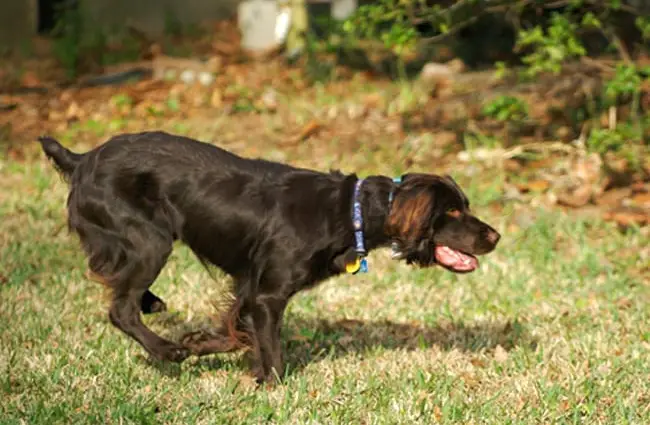
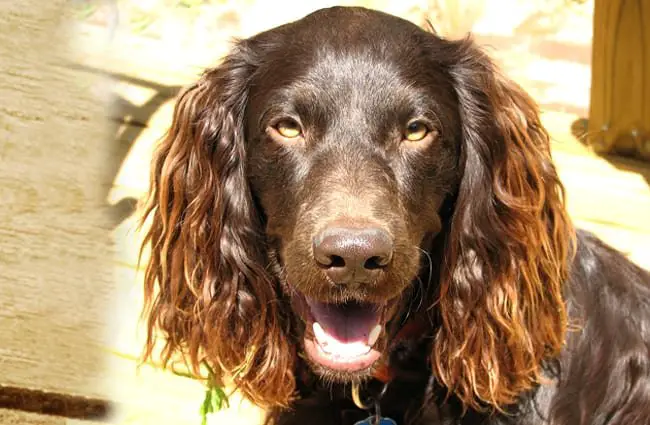
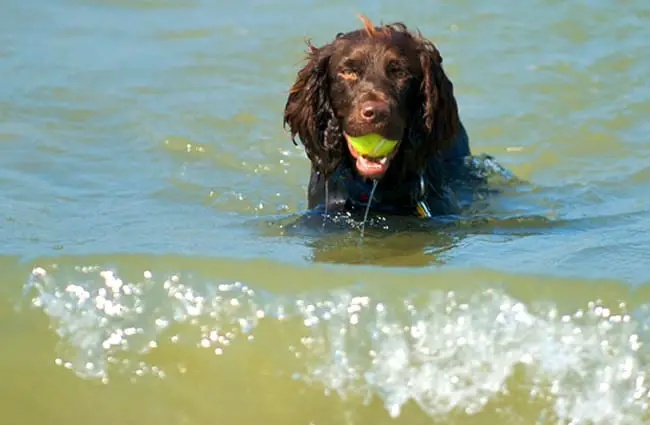
Boykin Spaniels are compact and powerfully built, designed for endurance and agility in challenging terrain. Males typically stand between 17 and 19 inches tall and weigh between 30 and 40 pounds. Females are slightly smaller, ranging from 15 to 17 inches and weighing 25 to 35 pounds. Their coat is medium‑length, wavy, and relatively dense, providing protection from water and underbrush. Common coat colors include liver, chocolate, and sometimes cream markings. Their eyes are typically brown, conveying an intelligent and eager expression.

Temperament and Behavioral Traits
The Boykin Spaniel is known for its cheerful and eager‑to‑please personality. They are highly intelligent and trainable, responding well to positive reinforcement methods. This breed is exceptionally affectionate with their families, making them wonderful companions for children and other pets. However, their energetic nature means they require plenty of exercise and mental stimulation to prevent boredom and destructive behavior.
Being a sporting breed, the Boykin Spaniel possesses a strong retrieving instinct. They thrive on activities like fetch, swimming, and agility training. Early socialization is crucial to ensure they develop into well‑adjusted adults, comfortable around strangers and other animals. While generally good‑natured, they can be somewhat reserved with unfamiliar people. A properly socialized Boykin will be confident and friendly, but they aren’t typically overly effusive with strangers.
Caring for a Boykin Spaniel
Providing a happy and healthy life for a Boykin Spaniel requires a commitment to meeting their specific needs. Here’s a breakdown of essential care considerations:
- Exercise: Boykin Spaniels need at least 60 to 90 minutes of vigorous exercise daily. This could include walks, runs, swims, or playtime in a securely fenced yard.
- Grooming: Their coat requires regular brushing, ideally several times a week, to prevent matting and remove loose hair. Occasional professional grooming may also be beneficial. Pay particular attention to the ears, which are prone to infections due to their floppy nature.
- Training: Early and consistent training is essential. Boykin Spaniels are eager to please, making them relatively easy to train with positive reinforcement methods. Focus on obedience training, recall, and retrieving.
- Diet: A high‑quality dog food formulated for medium‑sized, active breeds is recommended. Monitor their weight and adjust food portions as needed to maintain a healthy body condition.
- Health: Boykin Spaniels are generally a healthy breed, but they are prone to certain health conditions, including hip dysplasia, elbow dysplasia, progressive retinal atrophy (PRA), and exercise‑induced collapse (EIC). Responsible breeders screen their dogs for these conditions before breeding.

Suitability for Different Lifestyles
The Boykin Spaniel is best suited for active families or individuals who can provide plenty of exercise and mental stimulation. They thrive in homes with securely fenced yards where they can run and play. They are relatively adaptable and can live in apartments, provided they receive sufficient daily exercise. However, their energetic nature may make them less suitable for sedentary lifestyles. They enjoy being part of the family and can become destructive if left alone for extended periods.
Advanced Considerations: The Hunting Instinct and Drive
For those interested in pursuing field work with their Boykin, understanding their inherent hunting drives is crucial. Boykin Spaniels possess a natural aptitude for flushing and retrieving game, particularly waterfowl. Training a hunting dog requires a dedicated commitment and specialized knowledge. It involves teaching commands related to flushing, retrieving, marking, and honoring. Working with an experienced gun dog trainer is highly recommended. Understanding the specific game laws and regulations in your area is also essential.
Genetic Health and Responsible Breeding
As with any breed, responsible breeding practices are essential for maintaining the health and vitality of the Boykin Spaniel. Reputable breeders prioritize genetic health testing to screen for common conditions like hip dysplasia, elbow dysplasia, PRA, and EIC. They also carefully select breeding pairs to avoid perpetuating genetic defects. Purchasing a puppy from a responsible breeder ensures you’re getting a dog with the best possible start in life. Be wary of puppy mills and backyard breeders who prioritize profit over the health and welfare of their dogs.
A Rewarding Companion
The Boykin Spaniel is a remarkable breed that offers a unique blend of intelligence, energy, and affection. They are a rewarding companion for active families and individuals who appreciate their playful nature and unwavering loyalty. By understanding their history, physical characteristics, temperament, and specific needs, you can ensure a happy and fulfilling life for both you and your Boykin Spaniel.

![Closeup of a beautiful Red Angus cowPhoto by: U.S. Department of Agriculture [pubic domain]https://creativecommons.org/licenses/by/2.0/](https://animals.net/wp-content/uploads/2020/03/Red-Angus-4-100x75.jpg "Red Angus")