
A Glimpse into the World of the Borzoi
The Borzoi, a breed steeped in Russian history and renowned for its elegance and speed, is a captivating canine companion. Often called the Russian Wolfhound, though not a true hound, this majestic creature possesses a unique blend of aristocratic bearing and playful spirit. Understanding the Borzoi’s origins, characteristics, and needs is crucial for anyone considering welcoming one into their home. This comprehensive guide explores everything from its historical role to the intricacies of modern Borzoi care.
Historical Roots and Purpose
The Borzoi’s story is intrinsically linked to the Russian aristocracy. Developed over centuries, these dogs were meticulously bred for a singular purpose: coursing wolves. The Russian elite prized them not only for their effectiveness in the hunt but also for their beauty and grace. They weren’t merely hunting tools; they were symbols of status and refined taste. The breed’s name, “Borzoi,” is derived from the Russian word for “swift.”
Prior to the 19th century, distinct types of Russian wolfhounds existed. Through careful selection and breeding programs, a more standardized breed emerged, culminating in the elegant Borzoi we know today. The October Revolution drastically altered the Borzoi’s fate. Many dogs were lost or dispersed as the aristocracy disappeared. Fortunately, dedicated breeders in other parts of the world preserved the breed, ensuring its survival. The first Borzoi were imported to Britain in the late 19th century and quickly gained popularity among sporting enthusiasts.
Physical Characteristics
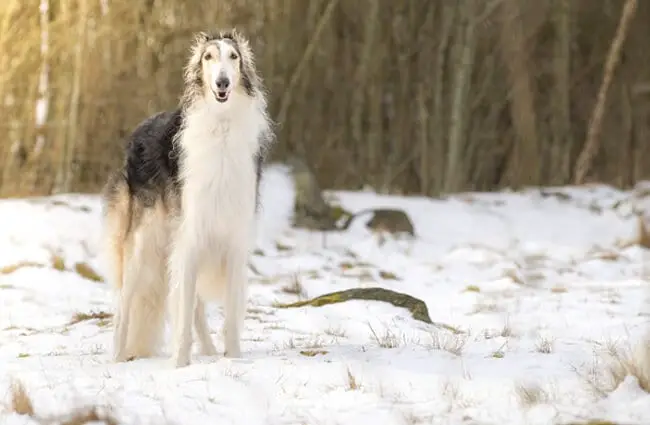
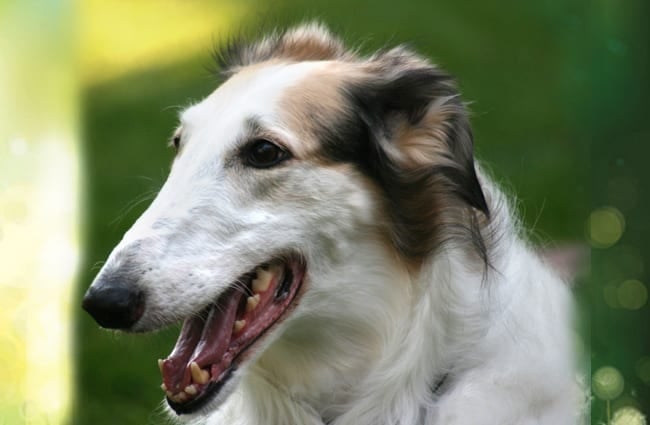
The Borzoi is a strikingly beautiful dog, characterized by its long, flowing coat, elegant build, and distinctive head shape. They are a large breed, with males typically standing between 28 and 33 inches tall and weighing between 75 and 105 pounds. Females are slightly smaller, ranging from 26 to 30 inches and 60 to 80 pounds.
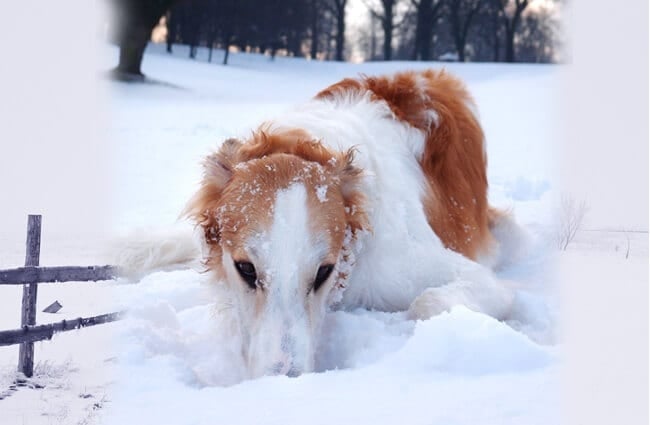
Their coat is long, silky, and slightly wavy, providing protection against harsh weather. Common coat colors include white, cream, black, brindle, and various shades of grey. They possess a deep chest and a slender waist, contributing to their impressive speed and agility. The Borzoi’s head is long and narrow, with a slightly arched skull and a distinctive black nose. Their eyes are typically dark and almond-shaped, conveying an expression of intelligence and dignity.
Temperament and Behavior
Despite their regal appearance, Borzoi are known for being gentle, affectionate, and independent dogs. They are generally quiet and reserved, but they can be playful and energetic when appropriately stimulated. They form strong bonds with their families and enjoy being part of household activities. However, they are not overly demonstrative and may not shower their owners with constant affection.
Their independent nature means they can be somewhat aloof with strangers. Early socialization is crucial to ensure they develop into well adjusted adults. Borzoi have a strong prey drive, inherited from their wolf-hunting past. This means they may chase small animals, including cats, rabbits, and squirrels. Secure fencing is essential to prevent them from escaping and pursuing prey. They are intelligent but can be stubborn, requiring patience and consistent training. Positive reinforcement methods work best, as they respond poorly to harsh discipline.
Caring for Your Borzoi
Exercise Needs
Borzoi require regular exercise to stay physically and mentally stimulated. While they enjoy bursts of speed, they are not endurance runners. Daily walks, combined with opportunities for short sprints in a secure area, are ideal. They appreciate a large, fenced yard where they can run and play. However, it’s important to supervise them closely to prevent them from escaping. Due to their sensitive nature, they don’t thrive on overly rigorous or repetitive exercise.
Grooming Requirements
The Borzoi’s long, flowing coat requires regular grooming to prevent matting and maintain its beauty. Brushing several times a week is essential, and more frequent brushing may be necessary during shedding season. They shed moderately throughout the year, with heavier shedding occurring in the spring and fall. Regular bathing is also necessary, but excessive bathing can strip the coat of its natural oils. Professional grooming may be beneficial for maintaining the coat’s condition.
Dietary Needs
Borzoi are large breed dogs and require a high quality diet formulated for their size and activity level. A diet rich in protein and essential nutrients is crucial for maintaining their muscle mass and overall health. Avoid overfeeding, as Borzoi can be prone to obesity. It’s important to monitor their weight and adjust their food intake accordingly.
Health Considerations
While generally healthy, Borzoi are prone to certain health conditions. These include bloat (gastric dilatation volvulus), a life threatening condition that requires immediate veterinary attention, progressive retinal atrophy, an eye disease that can lead to blindness, and osteosarcoma, a type of bone cancer. Responsible breeders screen their dogs for these conditions to minimize the risk of passing them on to their puppies. Regular veterinary checkups are essential for early detection and treatment of any health problems.
Is a Borzoi the Right Breed for You?
The Borzoi is a magnificent breed, but it’s not the right choice for everyone. They require a significant commitment of time, energy, and resources. They are best suited for owners who can provide them with a spacious home, regular exercise, consistent training, and plenty of affection. They may not be ideal for first time dog owners or those with young children, as their independent nature and strong prey drive can be challenging to manage.
However, for the right owner, the Borzoi is a loyal, affectionate, and rewarding companion. Their elegant beauty, gentle nature, and unique personality make them a truly special breed. With proper care and training, they can bring years of joy and companionship to their families.
Beyond the Basics: Nuances of Borzoi Ownership
For those deeply considering a Borzoi, understanding the breed’s subtle characteristics is paramount. Their sensitivity necessitates a calm and predictable environment. Harsh noises or chaotic situations can cause significant stress. Early exposure to various sights, sounds, and people is crucial for building confidence and preventing behavioral issues.
Training a Borzoi requires patience and creativity. Traditional obedience methods may not be effective, as they can quickly become bored or resentful. Focus on positive reinforcement, rewarding desired behaviors with praise, treats, or toys. Short, frequent training sessions are more effective than long, drawn out ones.
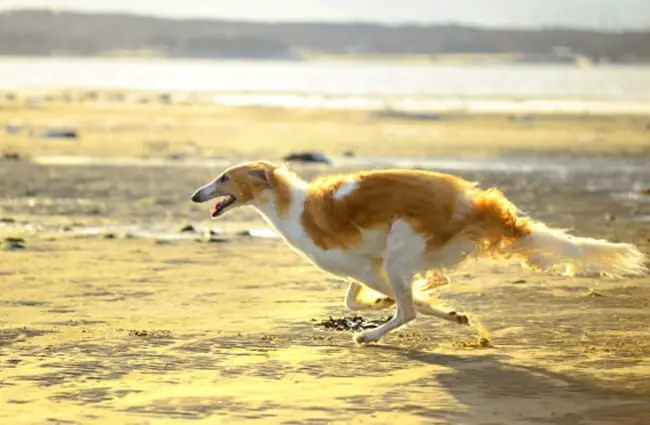
Furthermore, Borzoi are known for their “zoomies” sudden bursts of energy where they race around at full speed. This is a normal behavior and should be embraced, as it allows them to release pent up energy. Providing a safe and enclosed space for them to run freely is essential.
Finally, prospective owners should be aware of the breed’s tendency to counter surf and steal food. Secure food storage and vigilant supervision are necessary to prevent them from indulging in unauthorized snacks. A well fed Borzoi is a happy Borzoi, but a well behaved Borzoi requires consistent training and management.

![Closeup of a beautiful Red Angus cowPhoto by: U.S. Department of Agriculture [pubic domain]https://creativecommons.org/licenses/by/2.0/](https://animals.net/wp-content/uploads/2020/03/Red-Angus-4-100x75.jpg "Red Angus")