
The Boerboel, a majestic and powerful breed originating from South Africa, is gaining recognition worldwide. Often referred to as the “farmer’s dog,” this breed boasts a rich history intertwined with the protection of homesteads and livestock. Beneath its imposing exterior lies a surprisingly affectionate and loyal companion. This detailed exploration delves into every facet of the Boerboel, providing prospective owners with a comprehensive understanding of what it takes to welcome one of these magnificent dogs into their lives.

A Breed Forged in History
The Boerboel’s story begins in the 17th century with the arrival of Dutch settlers, known as Boers, in South Africa. They brought with them dogs from Europe, including mastiffs, bulldogs, and terriers. These dogs were then crossbred with indigenous African breeds, resulting in a large, powerful animal uniquely suited to the challenging South African landscape. The Boerboel was not bred to a specific standard like many modern breeds. Instead, function dictated form. Dogs that effectively protected farms from predators and provided reliable assistance were favored, creating a breed renowned for its strength, intelligence, and protective instincts.
Physical Characteristics
Boerboels are undeniably substantial dogs. Males typically stand between 25 and 27 inches tall at the shoulder and weigh between 150 and 200 pounds. Females are slightly smaller, ranging from 22 to 25 inches in height and weighing between 150 and 170 pounds. Their build is muscular and athletic, reflecting their working heritage. The coat is short, dense, and usually fawn, brown, or brindle, although other colors can occur. A black mask is a common feature. Eye color can vary; some Boerboels exhibit striking blue or heterochromatic eyes, a genetic variation rather than a fault.

Temperament and Behavior
The Boerboel’s temperament is often described as confident, intelligent, and protective. They are naturally wary of strangers and possess a strong guarding instinct, making early socialization absolutely critical. Exposing a Boerboel puppy to a wide variety of people, places, and situations helps them become well-adjusted and confident adults. While fiercely loyal and affectionate with their families, they can be aloof with those they do not know. They also display a playful and sometimes goofy side toward loved ones, often revealing a surprising gentleness. Boerboels are not typically vocal, but they will readily alert their owners to anything unusual.
Living Environment
Boerboels are not suited to apartment living. Their size and energy levels require a spacious home with a securely fenced yard and ample room for exercise and roaming. While they can adapt to different climates, they prefer moderate temperatures and should have shade and water during hot weather. Due to their protective instincts, they thrive in homes where they receive clear leadership and consistent training. They can coexist peacefully with other pets if properly socialized from a young age, but introductions should be carefully managed.

Care and Maintenance
Boerboels are relatively low-maintenance in terms of grooming. Their short coats require minimal brushing, but regular nail trimming and dental care are essential. They are prone to certain health issues, including hip and elbow dysplasia, bloat, and eyelid problems such as ectropion or entropion. Responsible breeders will screen their dogs for these conditions to minimize risk.
Nutrition
A high-quality diet formulated for large breeds is crucial, especially during puppyhood. Rapid growth can exacerbate joint problems, so feeding a diet that promotes slow, steady growth is important. Adult Boerboels require a balanced diet that provides adequate protein and fat to maintain muscle mass and energy levels.
Exercise
Boerboels need a significant amount of exercise, both physical and mental. Daily walks, runs, and playtime are essential to keep them happy and healthy. They also enjoy activities that challenge their minds, such as puzzle toys and obedience training.

Training and Socialization
Early socialization and consistent training are paramount for Boerboels. Their intelligence and independent nature require a firm yet positive approach. Reward-based training methods work best, motivating the dog to learn and cooperate. Boerboels excel in obedience training, agility, and other dog sports. However, their strong will requires a dedicated owner who can provide consistent leadership and clear boundaries. Because of their size and strength, teaching impulse control and proper manners from a young age is crucial.
Interesting Facts
- Boerboels were originally bred to protect farms from predators such as lions and hyenas.
- The name “Boerboel” comes from the Afrikaans word for “farmer’s dog.”
- Despite their imposing size, Boerboels can be surprisingly agile and graceful.
- They have a natural instinct to protect their family and property.
- Boerboels are known for their loyalty, intelligence, and affectionate nature.
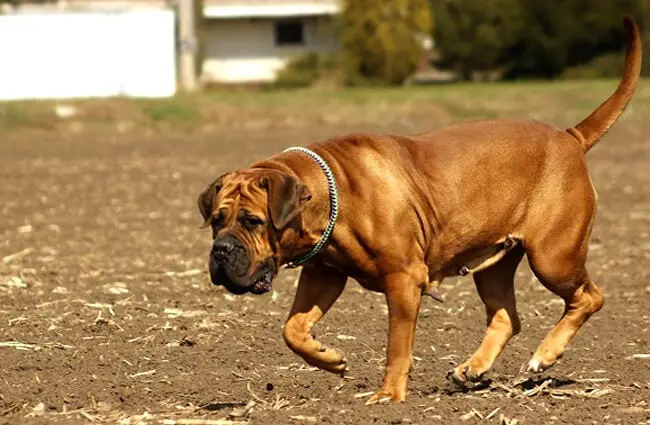
Is a Boerboel Right for You?
The Boerboel is a magnificent breed, but not for everyone. They require an experienced owner who can provide consistent training, socialization, and leadership. They are not a good choice for first-time dog owners or those who cannot commit to the necessary care and attention. For the right owner, a Boerboel can be a loyal, loving, and protective companion.

Ultimately, owning a Boerboel is a significant commitment. It requires careful consideration, thorough research, and a willingness to dedicate the time and effort needed to raise a well-adjusted and happy dog. With the right approach, the bond between a Boerboel and its owner is exceptionally rewarding.


![Closeup of a beautiful Red Angus cowPhoto by: U.S. Department of Agriculture [pubic domain]https://creativecommons.org/licenses/by/2.0/](https://animals.net/wp-content/uploads/2020/03/Red-Angus-4-100x75.jpg "Red Angus")