A Legacy of Guardians: Exploring the Black Russian Terrier
The Black Russian Terrier is a breed rooted in history and purpose, originally developed by the Soviet Union for military and security work. Often referred to as “Stalin’s Dog” because of its origins, this imposing canine was bred for duty rather than companionship. Today, while it retains its protective instincts, the Black Russian Terrier is increasingly recognized as a devoted, though demanding, family companion. This guide explores the breed’s history, characteristics, care requirements, and more.
Origins and Development
The Black Russian Terrier was created in the post‑World War II Soviet Union to meet a need for a large, robust, and intelligent dog that could guard military installations and perform a variety of working tasks. Soviet breeders crossed several breeds—including the Giant Schnauzer, Airedale Terrier, Rottweiler, Newfoundland, East European Shepherd, and occasionally the Caucasian Shepherd Dog—to combine strength, trainability, and weather resistance. The result was a formidable animal capable of patrolling, guarding, and working in harsh climates.
Early examples served as sentries, trackers, and security dogs for the military and KGB. It was only in the late 20th century that the breed began to spread beyond the Soviet bloc, eventually reaching Western countries where it remains a relatively rare companion animal.
Physical Characteristics
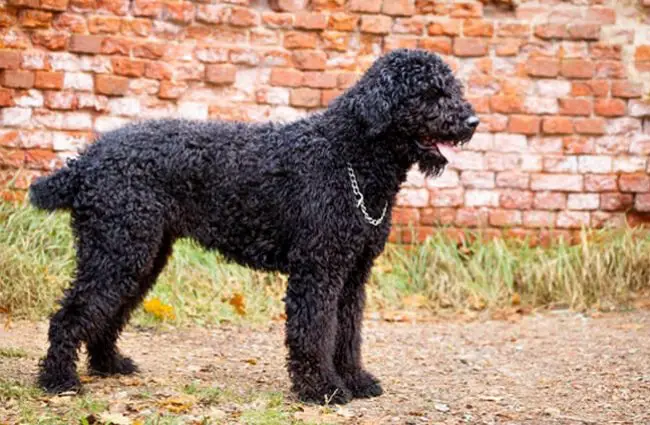
The Black Russian Terrier is a powerfully built dog, exuding strength and athleticism. Males typically stand between 27 and 30 inches at the shoulder and weigh 110 to 130 pounds, while females are slightly smaller, measuring 25 to 28 inches tall and weighing 80 to 100 pounds. The breed is noted for its rectangular build, deep chest, and muscular legs.
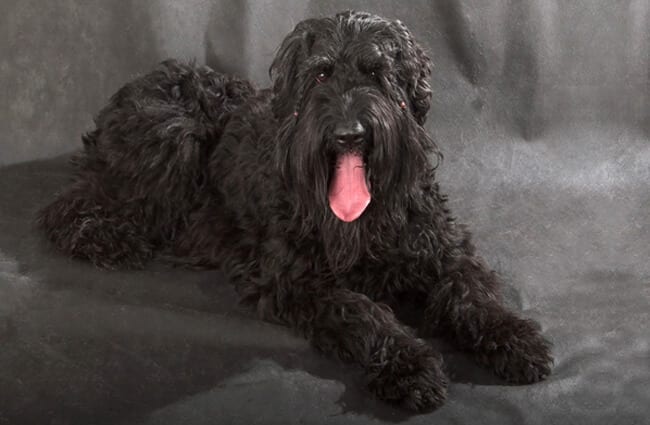
The coat is dense, coarse, and slightly wavy. Historically the breed was solid black, but variations that include shades of gray with small white markings are now accepted by some registries. Facial hair forms a beard and mustache, and a dense coat around the ears provides protection from the elements. Although tail docking was once common for military use, it is no longer practiced in many countries.
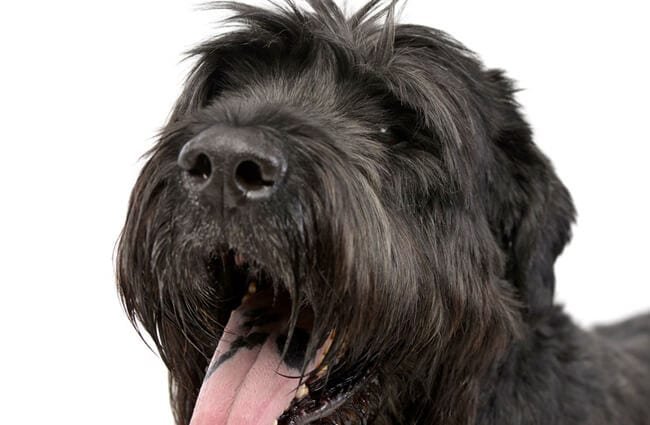
Grooming is essential to keep the coat healthy and tidy. Regular brushing several times a week prevents matting and removes loose hair. Occasional professional grooming can also be beneficial.
Temperament and Behavior
Black Russian Terriers are courageous, confident, and fiercely loyal. Their protective nature makes them excellent watchdogs, but it also means they can be wary of strangers. Early, consistent socialization is crucial to prevent excessive territoriality or aggression.
These dogs are intelligent and eager to please, yet they can be independent thinkers. Training works best with a firm, consistent, and positive approach. Reward‑based methods are effective, but repetitive or harsh techniques can lead to boredom or frustration. Mental stimulation—through dog sports, new tricks, or long walks—keeps them engaged and reduces destructive behaviors.
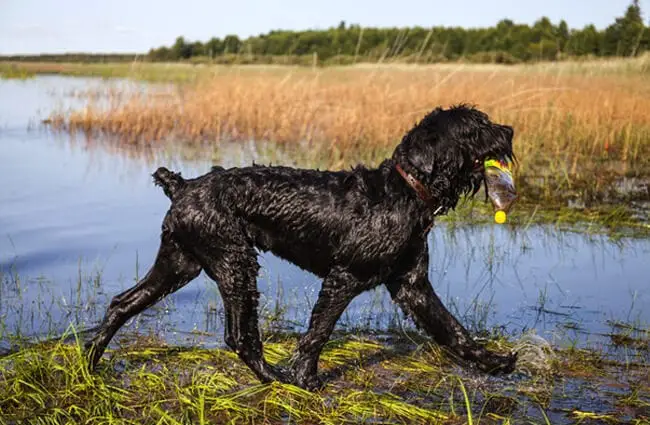
Despite their size and protective instincts, Black Russian Terriers can be gentle and playful with their families. They often form strong bonds with children, but supervision is essential with very young kids because of the dog’s size and energy. Early socialization with other dogs and people is vital for a well‑adjusted adult.
Care Requirements
Exercise
Black Russian Terriers are active dogs that require substantial daily exercise. Walks, runs, and play sessions keep them physically and mentally stimulated. They excel in activities such as agility, obedience, tracking, and scent work. Providing ample opportunities to expend energy helps prevent boredom and destructive behaviors.
Diet
A high‑quality, balanced diet designed for large breeds is crucial. Choose a food that considers the dog’s age and activity level. Monitor weight closely and adjust portions to avoid obesity.
Grooming
Regular grooming keeps the coat healthy and tidy. Brush several times a week to prevent matting and remove loose hair. Occasional baths are needed, and ears should be inspected and cleaned regularly to prevent infections.
Health Concerns
While generally healthy, Black Russian Terriers can be prone to hip and elbow dysplasia, osteochondrosis dissecans (OCD), gastric dilatation‑volvulus (bloat), and progressive retinal atrophy (PRA). Responsible breeders screen for these conditions to reduce hereditary risk. Routine veterinary check‑ups are essential for early detection and treatment of health problems.
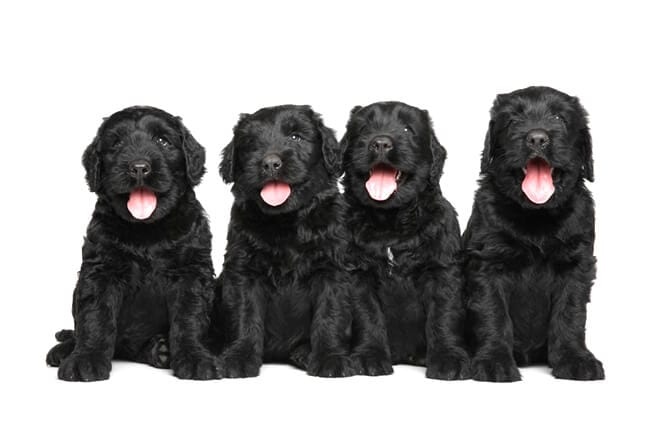
Is a Black Russian Terrier Right for You?
The Black Russian Terrier is not for everyone. It requires a dedicated owner willing to provide consistent training, ample exercise, and plenty of mental stimulation. Experienced dog owners who understand the needs of a large, powerful, and intelligent breed are best suited for this companion. If you seek a loyal, protective, and affectionate dog and are prepared to invest the time and effort needed, a Black Russian Terrier could be the perfect addition to your family. However, first‑time owners or those with a sedentary lifestyle may find the breed a challenging match.
A Breed of Distinction
The Black Russian Terrier exemplifies the power of selective breeding and the enduring appeal of a remarkable companion. From its origins as a military guardian to its current role as a cherished family pet, the breed continues to captivate. Understanding its history, temperament, and care needs is essential for anyone considering adding a Black Russian Terrier to their family, ensuring a harmonious and fulfilling relationship for years to come.

![Closeup of a beautiful Red Angus cowPhoto by: U.S. Department of Agriculture [pubic domain]https://creativecommons.org/licenses/by/2.0/](https://animals.net/wp-content/uploads/2020/03/Red-Angus-4-100x75.jpg "Red Angus")