The Bergamasco Sheepdog, a breed steeped in history and possessing a truly unique appearance, is gaining recognition beyond its native Italian Alps. More than just a striking coat, this dog embodies a spirit of independence, intelligence, and unwavering loyalty. Understanding the nuances of this breed is crucial for anyone considering adding a Bergamasco to their family.
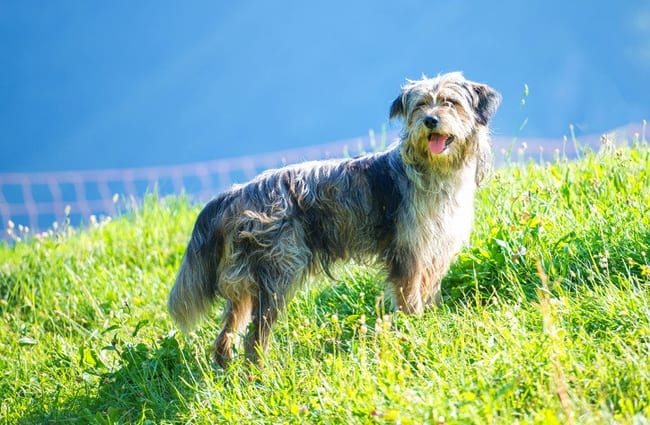
A History Woven into the Alpine Landscape
The Bergamasco’s story begins in the rugged terrain of the Italian Alps, specifically the Bergamo province near Milan. Their origins likely date back centuries, possibly to ancient herding dogs that were brought to the region by nomadic peoples. For generations, these dogs served as essential partners to shepherds, guarding and driving livestock across challenging mountainous landscapes. Their primary task was not merely to herd, but to actively protect the sheep from predators such as wolves and bears, often working independently and making crucial decisions on their own. This independent work ethic is deeply ingrained in their character today.
Unlike many other herding breeds that were refined with specific breed standards, the Bergamasco remained relatively isolated, shaped more by function than form. This resulted in a remarkably resilient and adaptable dog. After World War II, the breed faced near extinction, but dedicated breeders revived it, and it has slowly gained popularity worldwide, though it remains relatively rare. Their function as a working dog is so deeply ingrained that many breeders prioritize working ability over show conformation.
Physical Characteristics: The Marvel of the “Flocks”
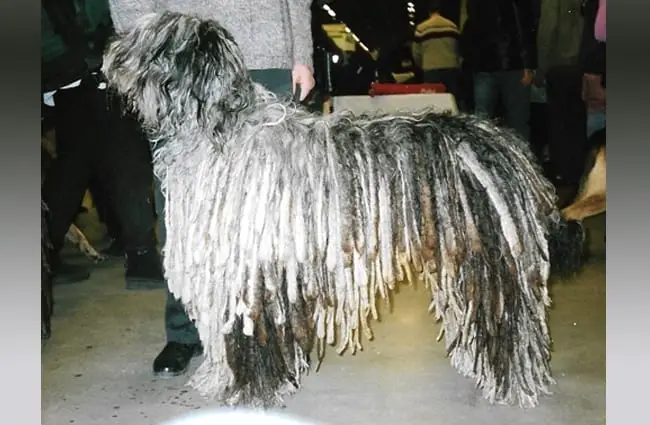
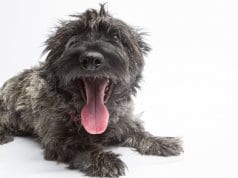
The Bergamasco is a medium to large-sized dog, with males typically standing 23.5 to 26 inches tall and weighing 70 to 85 pounds, while females are slightly smaller, measuring 22 to 24 inches and weighing 60 to 70 pounds. But the most defining feature, without question, is their coat. The coat is not a typical fur coat at all. It is composed of three different types of hair: a long, coarse outer coat, a woolly undercoat, and a silky intermediate layer. These hairs naturally mat together, forming flat, dense “flocks” or “dreads” that cover the entire body.
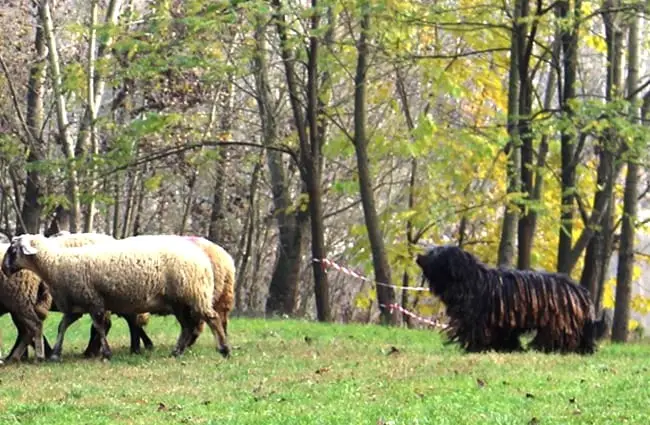
The flocks are not a result of neglect; they are a natural characteristic of the breed, providing insulation from harsh weather and protection from brambles and thorns during their working days. The flocks develop gradually, starting at about a year of age, and require specific maintenance. Pulling apart individual mats to prevent skin issues and ensuring air circulation are necessary, rather than brushing, which would destroy the flocks. The coat is typically shades of gray, ranging from light silver to dark charcoal, but puppies can be born with shades of black and even reddish hues that fade as they mature.
Temperament and Behavior: Independent Thinkers
The Bergamasco is known for its calm, intelligent, and independent nature. They are deeply devoted to their families but are not overly demonstrative in their affection. They possess a strong will and a natural skepticism toward strangers, making them excellent watchdogs. This independence means they are not typically eager to please in the same way as some other breeds. Training requires patience, consistency, and a positive reinforcement approach. Harsh methods will likely backfire.
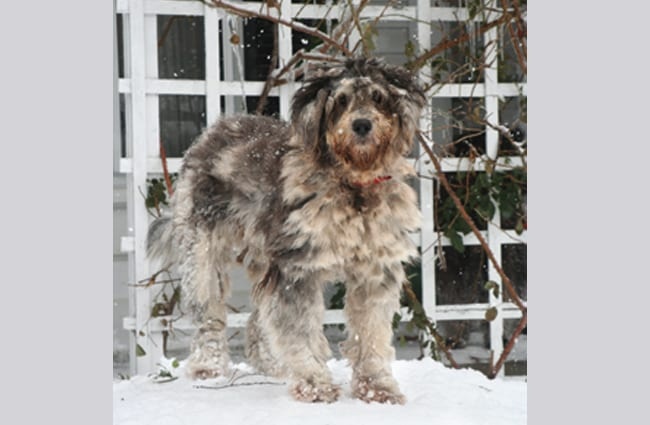
Early socialization is absolutely critical to ensure they develop into well‑adjusted adults. Exposing them to various people, places, and situations from a young age will help them become confident and accepting. They retain a strong herding instinct, so they may try to “herd” children or other pets. This behavior can be managed with training, but it is important to understand the root cause. Because of their independent nature and high intelligence, Bergamasco thrive with mental stimulation. Puzzle toys, obedience training, and engaging activities are essential to prevent boredom and destructive behavior.
Care and Maintenance: A Commitment Beyond the Coat
Beyond the unique coat care, the Bergamasco requires a commitment to consistent training, socialization, and exercise. They are not a breed for a first‑time dog owner.
Exercise Needs
These dogs need a significant amount of exercise to stay physically and mentally healthy. Long walks, hikes, and opportunities to run and explore are essential. A fenced‑in yard is highly recommended, but it is not a substitute for regular exercise. They also excel in dog sports such as agility, herding trials, and obedience.
Grooming and Coat Maintenance
As mentioned, brushing is not recommended. The flocks require periodic separation to allow air circulation and prevent matting against the skin. This involves gently pulling apart the individual mats, usually a few times a year. Bathing is rarely necessary, as the coat naturally repels dirt and water. Regular ear cleaning and nail trimming are also important.
Health Considerations
Bergamasco Sheepdogs are generally a healthy breed, but like all breeds, they are prone to certain health conditions. These include hip and elbow dysplasia, progressive retinal atrophy (PRA), and bloat. Reputable breeders will screen their dogs for these conditions before breeding, which can help reduce the risk.
Is a Bergamasco Right for You?
The Bergamasco Sheepdog is a remarkable breed, but it is not for everyone. They require an experienced owner who can provide consistent training, socialization, and mental stimulation. They thrive in an active household where they have plenty of space to roam and explore. If you are willing to commit to their unique needs, a Bergamasco can be a loyal, intelligent, and rewarding companion.
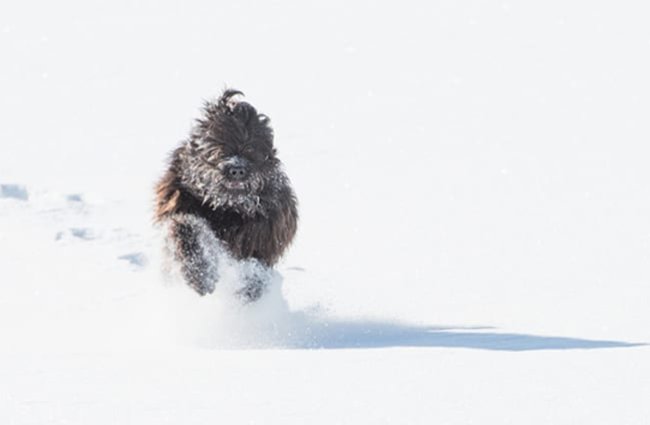
They are a breed that truly embodies the spirit of independence and resilience, a testament to their history as working partners in the harsh Alpine landscape. Understanding their unique characteristics is the first step to building a fulfilling relationship with this extraordinary breed.
![Closeup of a beautiful Red Angus cowPhoto by: U.S. Department of Agriculture [pubic domain]https://creativecommons.org/licenses/by/2.0/](https://animals.net/wp-content/uploads/2020/03/Red-Angus-4-100x75.jpg "Red Angus")