A Comprehensive Guide to the Belgian Sheepdog
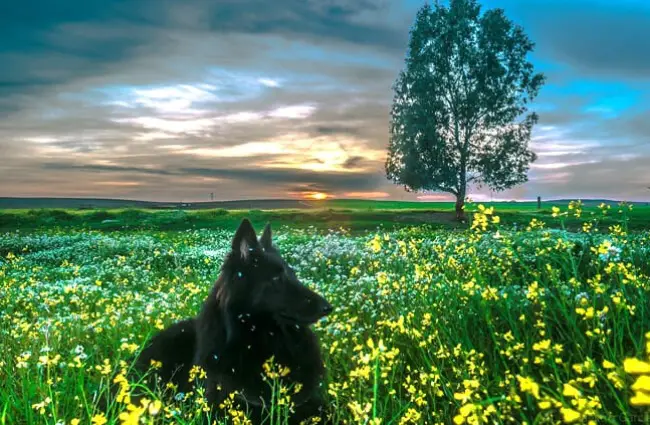
The Belgian Sheepdog, often referred to as the Groenendael (pronounced ‘grow-nen-dahl’) and a name that specifically denotes the black variety, is a breed steeped in history and brimming with intelligence. These striking dogs are not merely beautiful; they are working dynamos possessing a unique blend of sensitivity, drive, and loyalty. This guide explores every facet of this remarkable breed, from its origins to its specific needs, providing insight for both prospective owners and dedicated enthusiasts.
History and Origins
The story of the Belgian Sheepdog begins in the late 19th century in Belgium. Unlike many breeds developed for aristocratic pursuits, the Belgian Sheepdogs were bred by farmers and shepherds. The need for versatile farm dogs capable of herding, guarding, and general assistance led to the development of several similar types. These dogs weren’t standardized initially; they were simply functional working dogs.
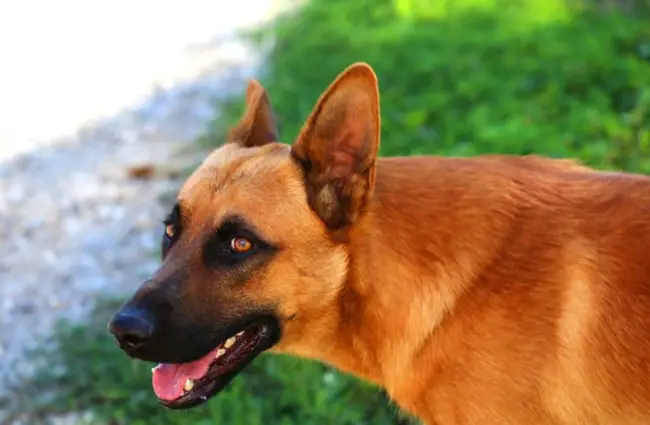
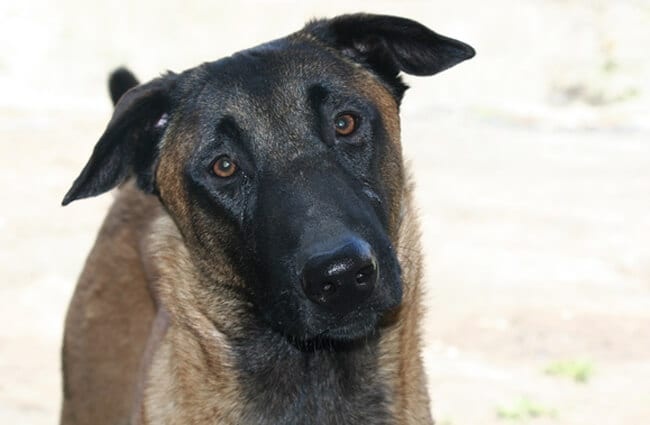
Professor Adolphe Reul, a veterinary surgeon, is credited with solidifying the breed. Recognizing the valuable qualities of these working dogs, he began a selective breeding program in the 1890s. He aimed to create a consistent, intelligent, and capable herding dog. Reul’s work eventually led to the recognition of four distinct varieties of Belgian Sheepdogs: the Groenendael (black), the Tervuren (fawn to mahogany), the Malinois (fawn with black mask), and the Laekenois (rough-coated). All four share a common ancestry and possess similar characteristics, differing primarily in coat type and color.
Physical Characteristics
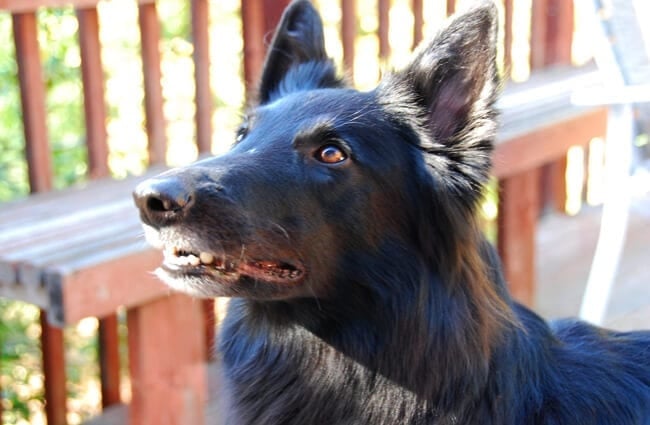
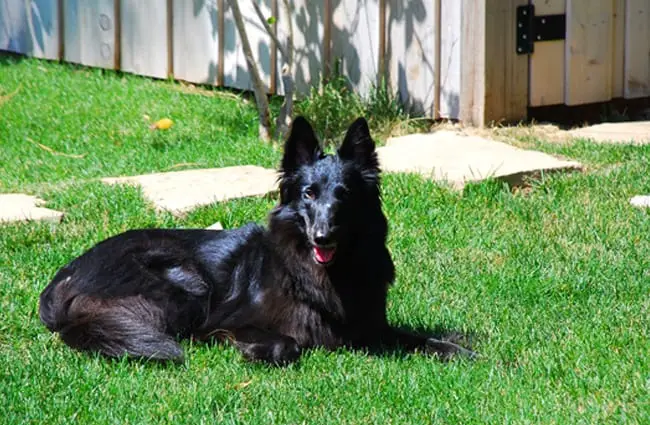
Belgian Sheepdogs are medium to large-sized dogs. Males typically stand 24 to 26 inches tall at the shoulder and weigh between 60 and 70 pounds. Females are slightly smaller, ranging from 22 to 24 inches and weighing 50 to 60 pounds. The Groenendael, specifically, is known for its long, abundant black coat. The other varieties display coats in shades of fawn, mahogany, and rough texture.
These dogs possess a well-proportioned, muscular build. Their heads are proportionate to their bodies, with a keen, intelligent expression. They have a black nose, dark almond-shaped eyes, and erect, triangular ears. A distinctive feature is their naturally long and slightly curved tail.
Temperament and Behavior
Belgian Sheepdogs are renowned for their intelligence, alertness, and trainability. They are eager to please and respond well to positive reinforcement methods. However, their intelligence also means they require significant mental stimulation. Without adequate challenges, they can become bored and destructive.
They are highly sensitive dogs. They form strong bonds with their families and thrive on interaction. They can be reserved with strangers, making early socialization crucial. While not inherently aggressive, they possess a natural guarding instinct and may be protective of their territory and loved ones. Belgian Sheepdogs are energetic and require a considerable amount of exercise. They excel in canine sports such as agility, obedience, herding, and protection work.
Caring for Your Belgian Sheepdog
Exercise Needs
A Belgian Sheepdog is not a breed for a sedentary lifestyle. Daily exercise is essential to maintain both physical and mental well-being. This could include long walks, runs, hikes, or engaging in canine sports. At least one to two hours of vigorous activity per day is generally recommended. Puzzle toys and interactive games can also help provide mental stimulation.
Grooming
The Groenendael’s long coat requires regular brushing, several times a week, to prevent matting and tangling. Occasional baths are necessary, but excessive bathing can strip the coat of its natural oils. The other varieties require less intensive grooming, but regular brushing is still important. Regular nail trimming and ear cleaning are also essential.
Training and Socialization
Early socialization is paramount for Belgian Sheepdogs. Exposing them to various people, places, sounds, and situations from a young age will help them develop into well-adjusted adults. Positive reinforcement training methods are the most effective. Consistency and clear communication are key. These dogs excel in advanced obedience and other canine sports. Professional training is highly recommended, especially for first-time owners.
Health Considerations
Belgian Sheepdogs are generally healthy dogs, but they are prone to certain health conditions. These include hip and elbow dysplasia, progressive retinal atrophy (PRA), and epilepsy. Responsible breeders screen their breeding stock for these conditions to minimize the risk of passing them on to their puppies. Regular veterinary checkups are essential for maintaining your dog’s health.
Is a Belgian Sheepdog Right for You?
Belgian Sheepdogs are not the right breed for everyone. They require a dedicated owner who can provide them with the exercise, mental stimulation, and training they need. They are best suited for active individuals or families who can commit to a demanding but rewarding relationship.
If you are considering a Belgian Sheepdog, be prepared to invest a significant amount of time and energy into their care. But if you are willing to put in the effort, you will be rewarded with a loyal, intelligent, and devoted companion.
Advanced Considerations for the Dedicated Owner
Beyond the basics, understanding the breed’s working origins is vital. Belgian Sheepdogs possess a strong work ethic. Simply providing physical exercise isn’t enough. They thrive when given a job to do, even if it’s a simulated one. This could involve scent work, tracking, or advanced obedience routines. Ignoring this innate drive can lead to frustration and behavioral issues.
Furthermore, these dogs are sensitive to stress. Harsh training methods or inconsistent handling can be detrimental. Building a strong relationship based on trust and mutual respect is crucial. Understanding canine body language is also essential for effective communication.
For those involved in canine sports, the Belgian Sheepdog is a force to be reckoned with. Their intelligence, agility, and drive make them excel in various disciplines. However, it’s important to choose a sport that aligns with the dog’s temperament and energy level.
In conclusion, the Belgian Sheepdog is a remarkable breed with a rich history and a unique set of characteristics. They are not a casual pet; they are a demanding, intelligent, and rewarding companion for the dedicated owner who can meet their needs.

![Closeup of a beautiful Red Angus cowPhoto by: U.S. Department of Agriculture [pubic domain]https://creativecommons.org/licenses/by/2.0/](https://animals.net/wp-content/uploads/2020/03/Red-Angus-4-100x75.jpg "Red Angus")