A Comprehensive Guide to the Australian Terrier
The Australian Terrier is a spirited and adaptable breed that combines a lively personality with practical versatility. Originally bred on the rugged Australian landscape, these little dogs were used to control vermin and protect livestock. Today they are beloved companions who still retain much of their original tenacity and intelligence. This guide covers everything from their historical roots to specific care requirements, so prospective owners can make an informed decision about welcoming one of these charming dogs into their lives.
Historical Origins and Breed Development
The Australian Terrier began to take shape in the early 19th century when British settlers introduced a variety of terrier breeds to Australia. Breeds such as the Cairn, Skye, Dandie Dinmont, and West Highland White Terriers were among those brought across the seas. Farmers and ranchers needed a sturdy, capable working terrier that could handle snakes, rodents, and other pests. Through selective breeding, they produced a distinct type that was well adapted to the Australian climate and terrain. The breed was formally recognized by the Australian National Kennel Council in the mid‑20th century and is also recognized by the United Kennel Club.
Physical Characteristics: Size, Weight & Appearance
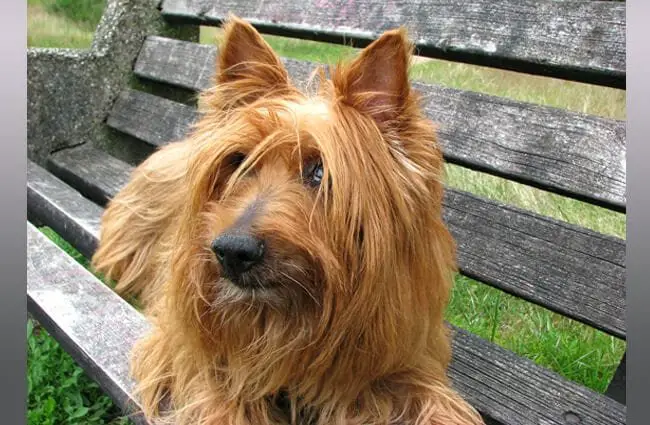
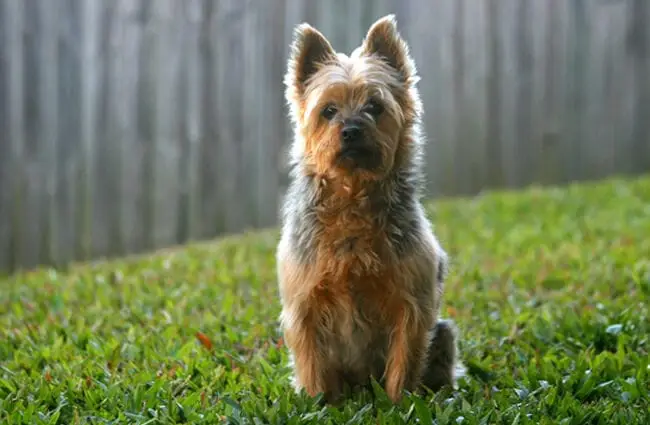
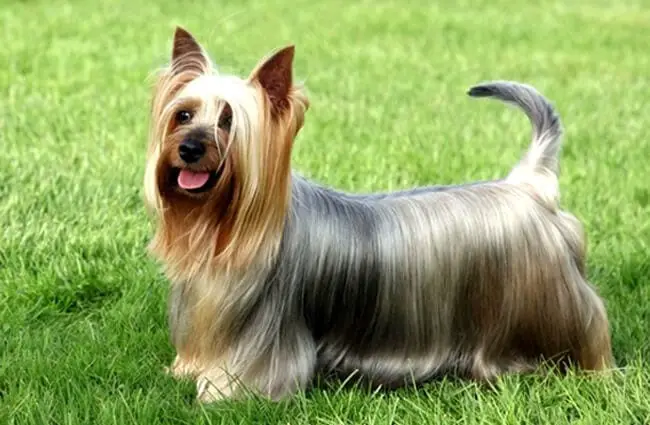
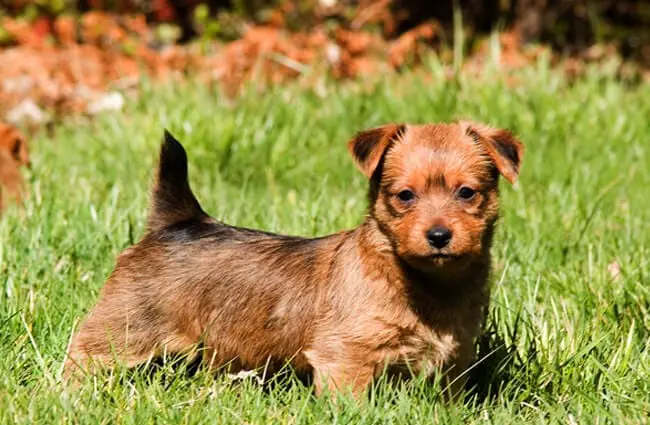
Australian Terriers are small but solidly built. They stand between 10 and 11 inches tall at the shoulder and weigh 15 to 20 pounds. Their coat is moderately long, straight, and slightly wiry to the touch. The most common color pattern is blue and tan, but they can also be red, sable, or brindle. A distinctive V‑shaped marking on the forehead is a classic feature. Their ears are erect or semi‑prick, and the tail is often docked, though docking is increasingly discouraged by many kennel clubs. Overall, they convey alertness, balance, and compact strength.
Temperament and Behavior
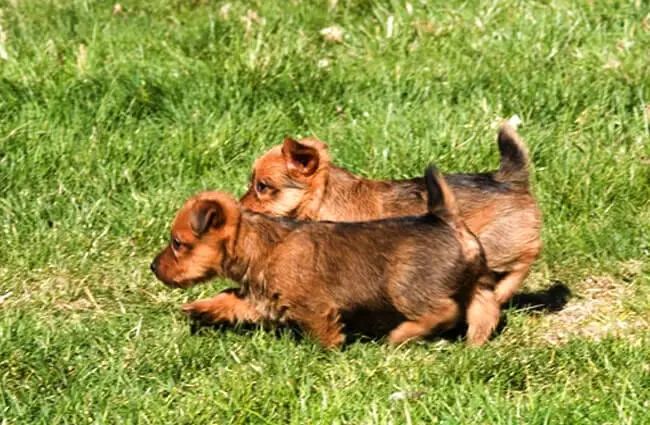
Australian Terriers are lively and spirited. They are confident, independent, and affectionate with their families. These dogs are far from shy; they often have a “big dog” personality in a small package. Their terrier heritage gives them a strong prey drive, so early socialization is essential to help them coexist with other dogs, cats, and people. They are intelligent and trainable, but their independent streak can make them challenging if not handled with consistent, firm training. Without sufficient mental and physical stimulation, boredom can lead to destructive behavior. Many retain a playful, puppy‑like energy well into their senior years.
Care Requirements: Grooming, Exercise & Nutrition
Proper care is vital for maintaining an Australian Terrier’s health and happiness.
- Grooming: Brush twice or three times a week to remove loose hair and prevent matting. Stripping the coat—a method of removing dead hair—can help keep the texture bright, but many owners choose professional grooming for this task.
- Exercise: These energetic dogs need at least 30 to 60 minutes of activity daily. Walks, play in a secure yard, and interactive games are all good options.
- Nutrition: Feed a high‑quality dog food that matches their age, size, and activity level. Avoid overfeeding, as they can gain weight easily.
Suitability for Different Lifestyles and Environments
Australian Terriers can thrive in a range of living situations. They are adaptable to apartment life as long as they receive adequate exercise. However, they flourish best in homes with a secure fenced yard where they can explore and play. Their alert nature makes them effective watchdogs, though they can be vocal. They are ideal for families who can provide consistent training, mental stimulation, and plenty of attention. They generally get along well with older children who treat small dogs with respect.
Health Considerations & Potential Issues
While generally robust, Australian Terriers can be prone to certain health conditions:
- Patellar Luxation: A common issue where the kneecap slips out of place.
- Diabetes Mellitus: A metabolic disorder that affects blood sugar levels.
- Legg‑Calvé‑Perthes Disease: A hip joint condition that is more common in younger dogs.
- Allergies: Food and environmental allergies can occur.
Regular veterinary check‑ups and a healthy lifestyle help prevent or manage these conditions. Reputable breeders screen breeding stock for genetic predispositions.
Training and Socialization
Early socialization and consistent training are essential for an Australian Terrier. Expose them to a variety of people, places, sounds, and experiences during puppyhood to help them become well‑adjusted adults. Positive reinforcement—rewarding desired behaviors with treats and praise—is the most effective training method. Their independent streak can require patience, but with a firm and positive approach they excel in obedience and other canine activities. Consider enrolling in puppy classes or working with a professional dog trainer.
Interesting Facts & Breed Quirks
Australian Terriers have several unique traits that set them apart:
- They were originally bred to hunt rats and snakes, showcasing their tenacity and fearlessness.
- Their coat requires regular maintenance but is generally considered low‑shedding, which can be easier on allergy sufferers.
- They are surprisingly good swimmers, a trait inherited from their early days in Australia’s varied landscapes.
- They have a strong sense of self‑preservation and are not afraid to stand up for themselves against larger dogs.
Is an Australian Terrier Right for You?
The Australian Terrier offers a winning combination of personality, intelligence, and resilience. However, they may not be the best fit for everyone. Prospective owners should be ready to provide consistent training, ample exercise, and plenty of attention. A secure environment and early socialization are crucial. If you’re looking for a spirited, loyal, and adaptable companion, an Australian Terrier may just be the perfect breed for you. With proper care and dedication, they will bring years of joy and companionship to your life.

![Closeup of a beautiful Red Angus cowPhoto by: U.S. Department of Agriculture [pubic domain]https://creativecommons.org/licenses/by/2.0/](https://animals.net/wp-content/uploads/2020/03/Red-Angus-4-100x75.jpg "Red Angus")