A Comprehensive Guide to the Australian Shepherd
The Australian Shepherd, often affectionately called an “Aussie,” is a captivating breed renowned for its intelligence, boundless energy, and striking appearance. Despite the name, the breed’s origins lie not in Australia, but in the western United States, where it was developed in the late 19th and early 20th centuries. This canine is more than just a pretty face; it is a working dog at heart, brimming with a desire to learn and excel. This guide delves into everything prospective owners need to know about welcoming an Australian Shepherd into their lives.

Origins and History
The Australian Shepherd’s story is a fascinating tale of migration and adaptation. Basque shepherds from the region that spans modern Spain and France arrived in the United States in the 1800s. They brought with them their sheep‑herding skills and dogs, primarily the Spanish Basque shepherd dogs. These dogs interbred with other herding breeds such as collies, and the result was the Australian Shepherd. The breed truly solidified its identity in the American West, becoming integral to ranch life and proving its skill in managing livestock across vast terrains.
Physical Characteristics
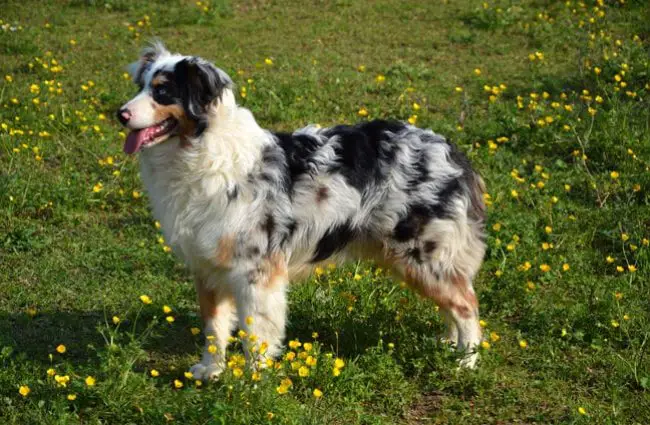
Australian Shepherds are medium‑sized dogs, built for agility and endurance. Males typically stand 20 to 23 inches tall at the shoulder and weigh 50 to 65 pounds. Females are slightly smaller, ranging from 18 to 21 inches tall and weighing 40 to 55 pounds. Their coat is medium length, weather resistant, and comes in a variety of colors. The most common colors include blue merle, red merle, black, and red, often with white markings and/or copper points.
Coat Variations & Genetics
Merle patterns are the result of a dominant gene. Breeding two merle dogs together can produce “double merle” puppies, which are often born with serious health issues including deafness and blindness. Responsible breeders prioritize health testing to avoid this outcome.
Temperament and Behavior
Australian Shepherds are known for their intelligence, work ethic, and loyalty. They are highly trainable, eager to please, and excel in various canine activities such as agility, obedience, frisbee, and herding. However, their intelligence also means they require consistent mental stimulation. Without enough to do, they can become bored and destructive. They are naturally protective of their families and can be reserved with strangers, making early socialization crucial. While generally good with children, their herding instincts may lead them to nip at heels, requiring supervision and training.
Herding Instincts & Play
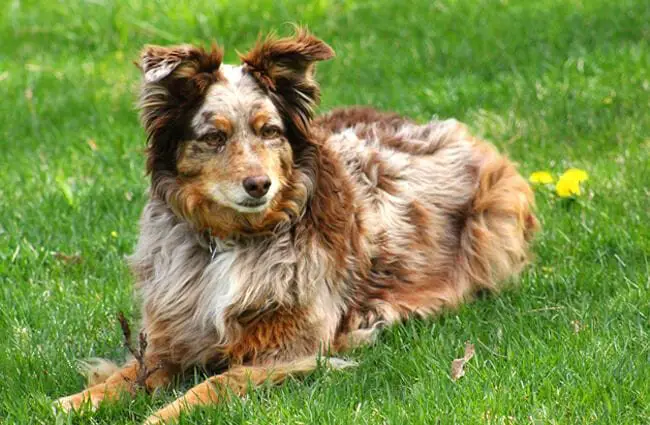
Their ingrained herding instincts can manifest in playful ways, such as attempting to “herd” children or other pets. Understanding this behavior is important for managing it appropriately. Engaging them in activities that mimic herding, like throwing a ball for them to chase and bring back, can provide a constructive outlet for their energy.
Care and Maintenance
Australian Shepherds require a significant commitment in terms of both time and energy. Regular exercise is paramount. A minimum of one to two hours of vigorous activity daily is recommended. This could include brisk walks, runs, hikes, or playtime in a securely fenced yard. Their coat requires regular brushing, at least a few times a week, to prevent matting and keep it looking its best. Occasional bathing is also necessary.

Health Considerations
While generally a healthy breed, Australian Shepherds are prone to certain health conditions. These include hip dysplasia, elbow dysplasia, progressive retinal atrophy (PRA), cataracts, and certain drug sensitivities, particularly to ivermectin. Responsible breeders screen their breeding stock for these conditions to minimize the risk of passing them on to puppies. Regular veterinary checkups and a healthy diet are essential for maintaining their overall well being.
Is an Australian Shepherd Right for You?
Australian Shepherds thrive in active households where they receive plenty of mental and physical stimulation. They are not ideal for apartment living or for owners who lead a sedentary lifestyle. They need a job to do, whether it’s participating in dog sports, learning tricks, or simply being a loyal companion on outdoor adventures. Consider your lifestyle carefully before bringing an Australian Shepherd into your home.

Training and Socialization
Early socialization and consistent training are critical for developing a well‑adjusted Australian Shepherd. Expose them to a variety of people, places, and situations from a young age. Positive reinforcement training methods work best with this intelligent and sensitive breed. Consider enrolling in obedience classes or participating in dog sports to provide them with mental stimulation and opportunities to bond with you.
Beyond the Basics: Advanced Insights
For those seeking a deeper understanding of the Australian Shepherd, consider exploring their genetic predispositions to certain behaviors. Their drive and intensity are not merely personality traits; they are deeply ingrained instincts shaped by centuries of selective breeding for specific tasks. Understanding this allows owners to better channel their dog’s energy and provide appropriate outlets for their natural abilities. Furthermore, the breed’s sensitivity to pressure and their ability to read human cues make them exceptionally responsive to training, but also means they can be easily stressed by harsh corrections.

The Australian Shepherd is a remarkable breed, offering a unique blend of intelligence, athleticism, and loyalty. With proper care, training, and a commitment to meeting their needs, they can bring years of joy and companionship to the right owner. They are more than just pets; they are partners, confidants, and devoted members of the family.




![Closeup of a beautiful Red Angus cowPhoto by: U.S. Department of Agriculture [pubic domain]https://creativecommons.org/licenses/by/2.0/](https://animals.net/wp-content/uploads/2020/03/Red-Angus-4-100x75.jpg "Red Angus")