A Legacy of Guardianship: Understanding the Anatolian Shepherd Dog
For millennia, the vast plains and rugged mountains of Turkey have been home to a remarkable canine – the Anatolian Shepherd Dog. More than just a breed, it represents a living connection to an ancient tradition of livestock guardianship. This article delves into the fascinating world of the Anatolian, exploring its history, temperament, care requirements, and unique characteristics, providing a comprehensive guide for prospective owners and breed enthusiasts.
Origins and Historical Role
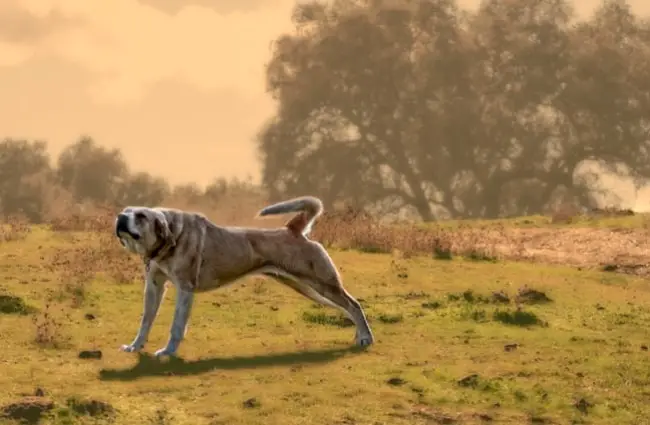
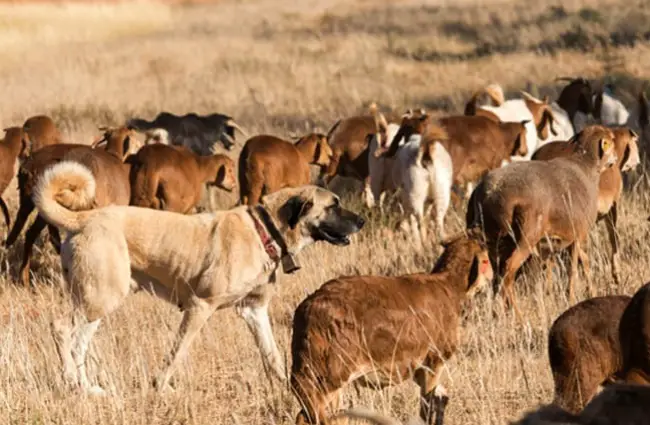
The Anatolian Shepherd’s story begins in the Anatolian region of Turkey, where nomadic tribes relied on these dogs to protect their flocks from predators like wolves, jackals, and bears. This was not a case of herding, but of living with the flock, forming a protective barrier and deterring threats through sheer size, vigilance, and a deep‑seeded protective instinct. The breed developed through natural selection, favoring dogs that were intelligent, independent, and physically capable of enduring harsh conditions. Their role was not simply to react to threats, but to proactively prevent them, requiring a calm, assessing temperament rather than aggressive reactivity.
Historically, Anatolians were not owned in the traditional sense. They were considered working partners, integral to the tribe’s survival. This history heavily influences their modern behavior; they are not eager to please in the way some other breeds are. Their loyalty is earned through respect and consistent leadership, not through seeking approval.
Physical Characteristics
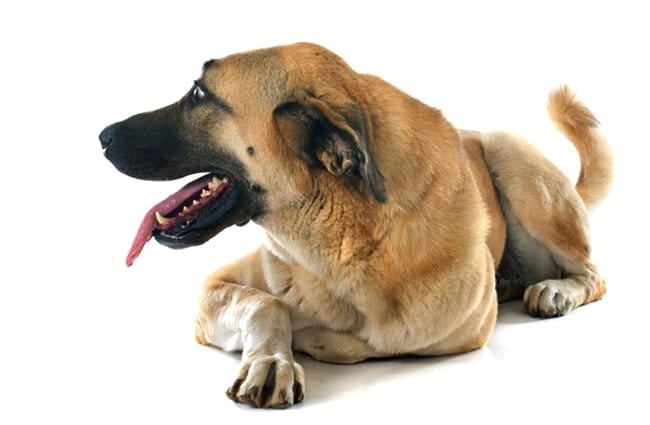
Anatolian Shepherds are powerful, athletic dogs built for endurance. Males typically stand 29 to 32 inches tall and weigh between 110 and 150 pounds, while females range from 27 to 29 inches and 80 to 120 pounds. They have a double coat, which sheds seasonally, providing insulation against both heat and cold. Coat colors vary, including fawn, sable, black, and white, often with masks or other markings. Their ears are typically floppy but can be cropped in some regions, though this practice is becoming less common.
Temperament and Behavior
Guarding Instincts
The Anatolian Shepherd’s primary instinct is to guard. This extends beyond livestock to family and territory. They are naturally suspicious of strangers and will assess any perceived threat with unwavering focus. Early and consistent socialization is crucial to ensure they can differentiate between genuine threats and harmless visitors. However, even with socialization, they will always retain a degree of protective wariness. This is not aggression, but careful assessment.
Independence and Intelligence
Anatolians are intelligent dogs, but their intelligence manifests as independent thinking rather than eager obedience. They are not particularly motivated by traditional reward‑based training. They need to understand why they should comply, not simply that they will receive a treat. Positive reinforcement can work, but it must be paired with clear, consistent leadership and a focus on establishing a respectful working relationship.
Loyalty and Family Life
While independent, Anatolians are deeply loyal to their families. They are gentle and protective with children, but supervision is always recommended due to their size. They are not overly playful or demonstrative, but they enjoy being near their people and will offer quiet companionship. Their protective nature can sometimes lead them to be overly possessive of family members, so consistent boundaries are important.
Caring for Your Anatolian Shepherd
Exercise and Mental Stimulation
Anatolians require a significant amount of exercise, but it does not necessarily need to be high intensity. Long walks, hikes, and opportunities to patrol a large, securely fenced area are ideal. Mental stimulation is equally important. Puzzle toys, obedience training, and opportunities to use their natural guarding instincts, such as controlled observation, can help keep them mentally engaged. A bored Anatolian is a destructive Anatolian.
Grooming
Their double coat requires regular brushing, especially during shedding season. Weekly brushing will help remove loose hair and prevent matting. They also need occasional bathing, but excessive bathing can strip their coat of natural oils. Nail trimming and ear cleaning are essential for overall health.
Health Considerations
Anatolian Shepherds are generally healthy dogs, but they are prone to certain health conditions, including hip and elbow dysplasia, bloat (gastric torsion), and hypothyroidism. Reputable breeders screen their breeding stock for these conditions to minimize the risk. Regular veterinary checkups are crucial for early detection and treatment of any health problems.
Is an Anatolian Shepherd Right for You?
Anatolian Shepherds are not a breed for everyone. They require an experienced owner who understands their unique temperament and needs. They are best suited to a rural or suburban environment with plenty of space to roam. They are not ideal for apartment living. They need consistent leadership, early socialization, and a job to do. If you can provide these things, you will be rewarded with a loyal, protective, and intelligent companion.
Advanced Considerations for the Breed
Livestock Guardian Dog (LGD) Principles
Truly understanding the Anatolian means embracing the principles of LGD behavior. They are not designed to herd, but to coexist with livestock, forming a bond and protecting them from predators. Allowing an Anatolian to interact with other animals from a young age is vital, but it is equally important to understand their individual approach. Some will bond with specific animals, while others will see all livestock as their responsibility. It is not about control, but about fostering a natural working relationship.
The Importance of Early Neurological Stimulation (ENS)
Implementing ENS during the first few weeks of a puppy’s life can have a profound impact on its development. These gentle, controlled stimuli help to develop a more resilient nervous system, improving its ability to cope with stress and adapt to new situations. This is particularly important for a breed designed to remain calm and assess threats in challenging environments.
The Anatolian Shepherd Dog is more than just a breed; it is a living link to a rich history of guardianship and a testament to the enduring bond between humans and canines. With the right understanding and commitment, this magnificent breed can bring years of loyalty, protection, and quiet companionship.
![Closeup of a beautiful Red Angus cowPhoto by: U.S. Department of Agriculture [pubic domain]https://creativecommons.org/licenses/by/2.0/](https://animals.net/wp-content/uploads/2020/03/Red-Angus-4-100x75.jpg "Red Angus")