A Deep Dive into the American Hairless Terrier
The American Hairless Terrier is a relatively new breed that is capturing the hearts of dog enthusiasts worldwide. Distinctive for its lack of coat, this energetic and intelligent breed offers a unique companionship experience. However, its specialized needs require a dedicated owner willing to learn and adapt. This article provides a comprehensive overview of the American Hairless Terrier, covering history, characteristics, care, and fascinating insights into this remarkable breed.
Origins and History
The story of the American Hairless Terrier begins in Louisiana in the late 1970s. A breeder, Michael Trout, noticed a hairless puppy born within a litter of mixed breed terriers. This puppy, later named Gabrielle, possessed a unique genetic mutation. Through careful and selective breeding, Trout established a foundation line, aiming to create a healthy and standardized hairless terrier.
The breed’s development wasn't without challenges. Early lines suffered from genetic diversity issues, requiring outcrossing to Rat Terriers and other small terriers to strengthen the gene pool. The American Hairless Terrier was officially recognized by the United Kennel Club in 2004, and continues to gain recognition from other major kennel clubs. It represents a testament to dedicated breeding and a fascinating example of genetic variation within the canine world.
Physical Characteristics
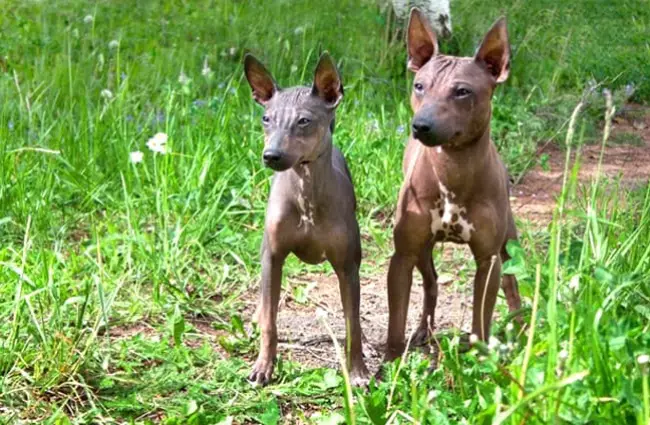
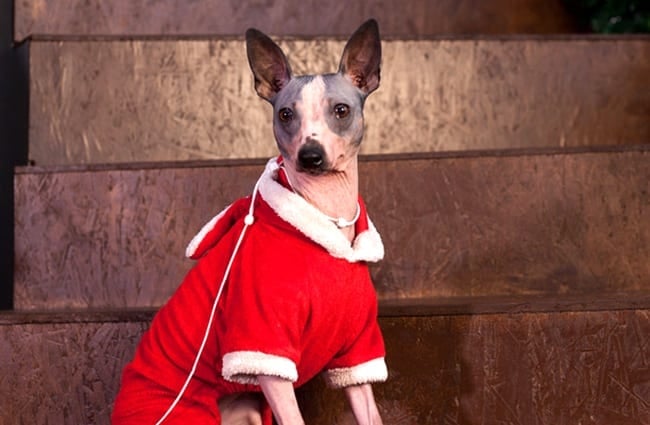
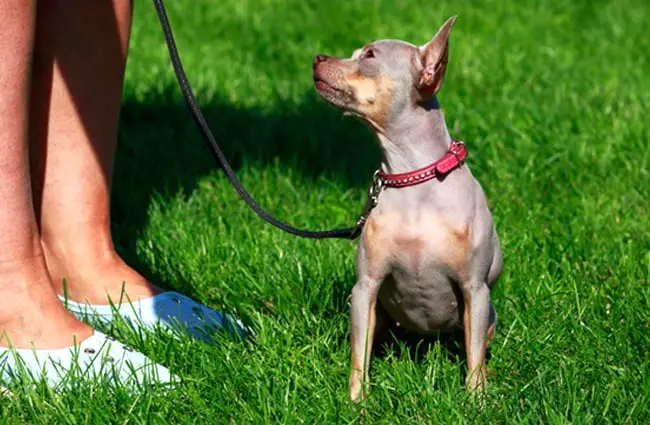
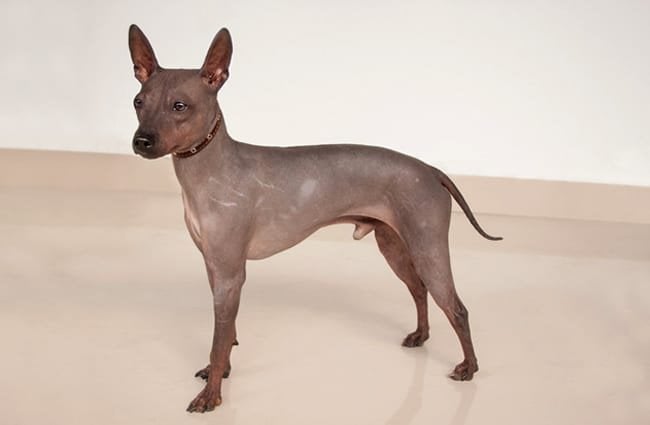
The most obvious trait of the American Hairless Terrier is, naturally, its lack of fur. However, it is not entirely hairless. Many individuals have a fine down on the muzzle, ears, and feet. The skin is smooth and feels warm to the touch. The breed typically stands between 16 and 18 inches tall and weighs between 12 and 16 pounds. They have a muscular, compact build characteristic of terriers.
Their heads are moderately broad with expressive, almond-shaped eyes. Ears can be either pricked or button-shaped. Skin color varies greatly, ranging from solid colors like black, blue, or red, to patterns like brindle, spotted, or even phantom markings. Because skin pigmentation does not offer the same UV protection as fur, sun protection is vital—more on that later.
Temperament and Behavior
American Hairless Terriers are known for their intelligence, energy, and playful nature. They are incredibly devoted to their families and form strong bonds. These terriers are naturally curious and enjoy exploring their surroundings. They thrive on mental stimulation and benefit from training and puzzle toys.
Like many terriers, they possess a strong prey drive. Early socialization is crucial to help them get along with other animals, especially smaller ones. They can be vocal, alerting their owners to anything unusual. Their eagerness to please makes them relatively easy to train, but consistency and positive reinforcement are key. They are not typically aggressive, but can be wary of strangers.
Caring for Your American Hairless Terrier
Skin Care
The absence of a coat means the skin is directly exposed to the elements. Regular bathing is necessary, typically every one or two weeks, to remove dirt and oils. Use a mild, hypoallergenic shampoo specifically formulated for dogs. Moisturizing the skin after bathing is also important, particularly in dry climates. Pay special attention to areas prone to dryness, like the elbows and paws.
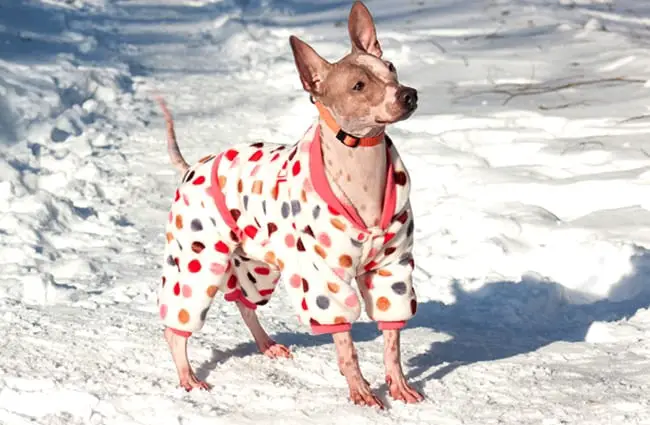
Sun protection is paramount. Just like human skin, the dog's skin can burn and is at risk for skin cancer. Use dog safe sunscreen on exposed areas before spending time outdoors. Consider clothing like t-shirts or sweaters to provide additional protection. In hot weather, ensure they have access to shade and plenty of water.
Diet and Exercise
American Hairless Terriers require a high quality balanced diet appropriate for their age and activity level. Because they have a higher metabolism due to the lack of insulation, they may need slightly more calories than a similar-sized coated breed. Monitor their weight and adjust food accordingly.
These are energetic dogs that need plenty of exercise. Daily walks, runs, and playtime are essential to keep them physically and mentally stimulated. They excel in dog sports like agility, flyball, and obedience. Providing opportunities for them to use their intelligence and energy will prevent boredom and destructive behavior.
Health Considerations
While generally healthy, American Hairless Terriers are prone to certain health issues. Skin allergies and sensitivities are common, requiring careful diet management and skincare. Some individuals may develop autoimmune skin conditions. Periodic skin biopsies may be necessary for diagnosis and treatment.
Due to the limited gene pool in the early years of the breed, there is a slightly increased risk of genetic conditions like primary lens luxation (PLE) and patellar luxation. Reputable breeders screen their breeding stock for these conditions to minimize the risk. Regular veterinary checkups are vital for early detection and management of any health problems.
Is an American Hairless Terrier Right for You?
The American Hairless Terrier is a captivating breed, but it's not for everyone. They require a dedicated owner willing to provide specialized skincare, ample exercise, and mental stimulation. They thrive in active households where they can participate in family activities.
If you are prepared to meet their unique needs, an American Hairless Terrier can be a wonderful companion. Their playful personality, intelligence, and unwavering loyalty will bring joy and enrichment to your life. They are an exceptional breed that continues to captivate the hearts of dog lovers worldwide.
Delving Deeper: Genetics and Skin Conditions
The hairlessness in the American Hairless Terrier is caused by a recessive gene mutation affecting keratin production. Understanding this genetic basis is crucial for responsible breeding. Breeders aim to identify carriers of the recessive gene and avoid breeding two carriers together, which would result in hairless puppies. However, a degree of inbreeding was necessary during the formation of the breed, requiring careful monitoring for other recessive conditions.
Beyond allergies, potential skin issues include atopic dermatitis and zinc-responsive dermatosis. Dietary supplementation with zinc and essential fatty acids can sometimes alleviate these conditions. The skin also lacks the natural barrier provided by fur, making it more susceptible to abrasions and infections. Prompt attention to any skin lesions is vital to prevent complications. Prophylactic cleaning of skin folds can also aid in reducing moisture and potential for infection.




![Closeup of a beautiful Red Angus cowPhoto by: U.S. Department of Agriculture [pubic domain]https://creativecommons.org/licenses/by/2.0/](https://animals.net/wp-content/uploads/2020/03/Red-Angus-4-100x75.jpg "Red Angus")