
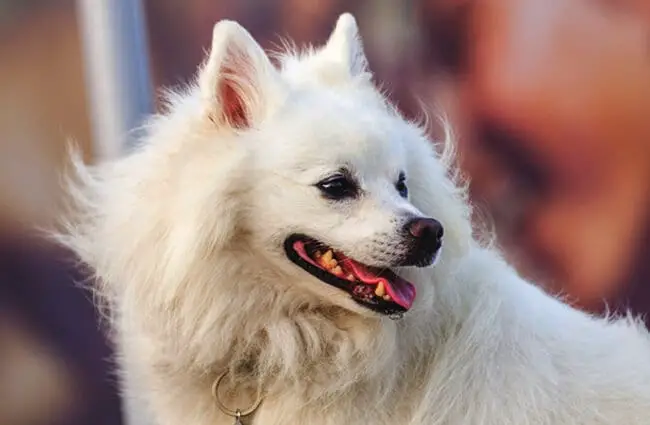
The American Eskimo Dog, often mistaken for a miniature Samoyed or even a small polar bear, possesses a captivating history and a personality as bright as its snowy white coat. This breed offers a unique blend of intelligence, athleticism, and affectionate companionship. Understanding the nuances of this remarkable dog is key to providing a fulfilling life for both canine and owner.
A History Rooted in Performance
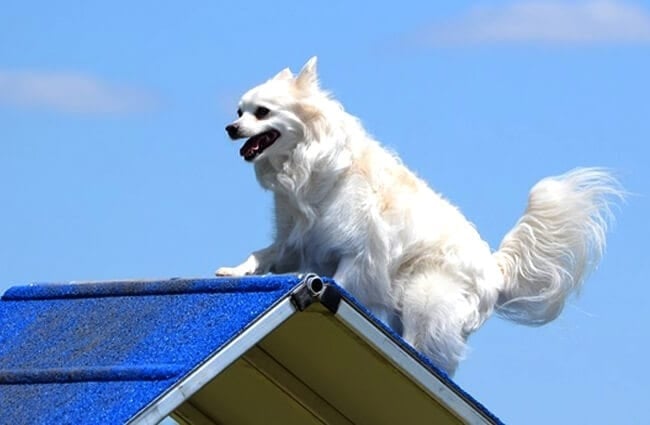
Despite the name suggesting an Arctic origin, the American Eskimo Dog’s story begins in Germany. These dogs were developed from German Spitz breeds, specifically the white German Spitz, and were integral to traveling circuses, fairs, and entertainment troupes throughout Europe during the 19th and early 20th centuries. They weren’t simply performers; they were versatile working dogs, excelling in tightrope walking, agility demonstrations, and even assisting in various circus acts.
The breed gained popularity in the United States with these traveling shows. However, World Wars I and II proved challenging. Because of anti‑German sentiment, the breed’s German name was changed to “American Eskimo Dog” to ensure its continued recognition and acceptance. While the name might imply a relationship with Inuit sled dogs, there is no historical connection.
Size, Weight and Physical Characteristics
American Eskimo Dogs come in three distinct size varieties, each sharing the same general characteristics:
- Toy: 9 to 12 inches tall, weighing 6 to 10 pounds.
- Miniature: 12 to 15 inches tall, weighing 10 to 20 pounds.
- Standard: 15 to 19 inches tall, weighing 18 to 35 pounds.
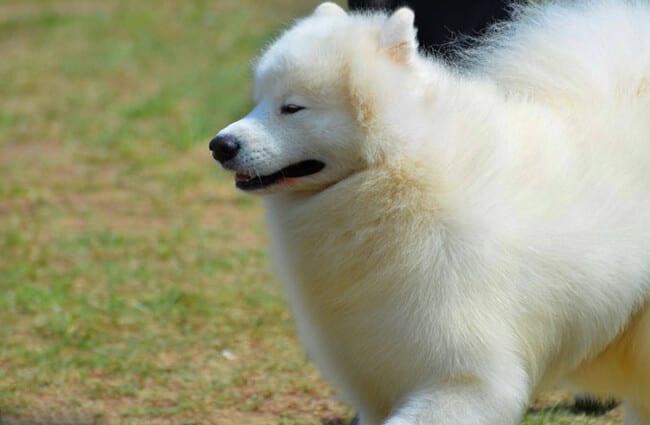
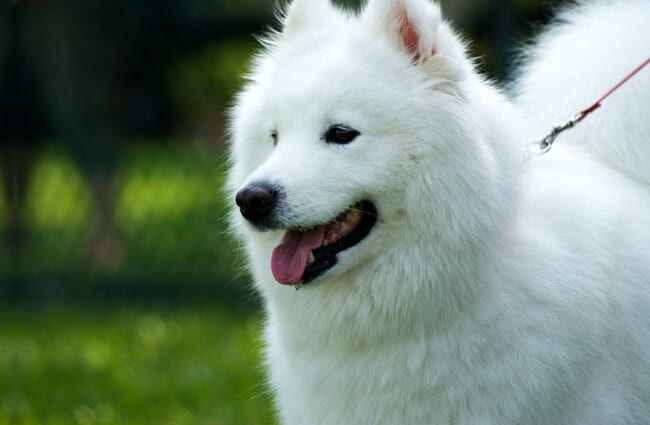
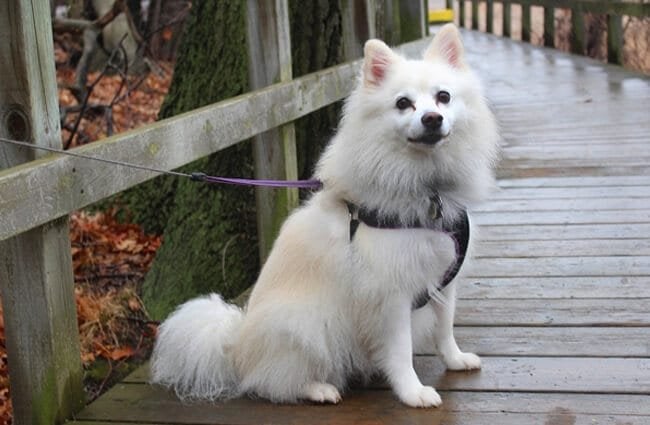
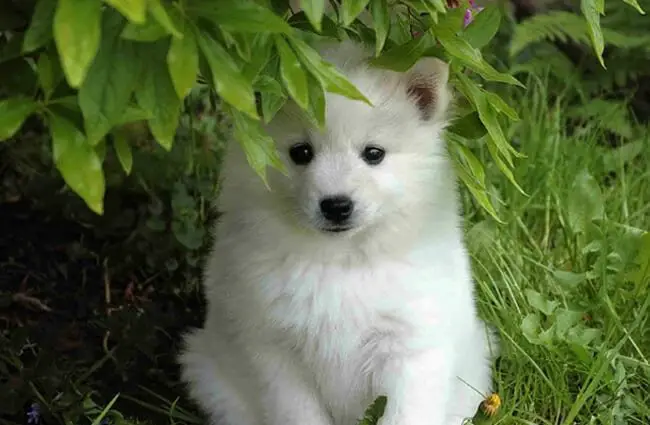
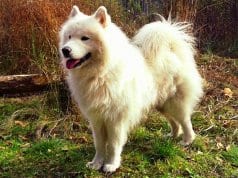
All Eskies possess a double coat: a dense, fluffy undercoat and a longer, water‑resistant outer coat. This coat provides excellent insulation against both heat and cold, but requires regular grooming to prevent matting and shedding. The breed standard dictates a pure white or biscuit cream coloration, though some minor shading is permissible. They have erect ears, a bushy tail carried over their back, and dark, almond‑shaped eyes that convey intelligence and alertness.
Environment and Lifestyle Suitability
American Eskimo Dogs are adaptable, but they thrive best in environments where they receive sufficient mental and physical stimulation. While they can adapt to apartment living, they are more suited to homes with a securely fenced yard where they can play and explore. They are not primarily outdoor dogs and need to be included in family activities. Their high energy levels necessitate daily exercise, including walks, runs, or play sessions.
Due to their Spitz heritage, they can be vocal. Early training can help manage excessive barking, but they will naturally alert their owners to any unusual activity. They do well in cooler climates because of their thick coats, but precautions must be taken to prevent overheating in warmer weather. Providing access to shade and fresh water is crucial during warm periods.
Behavioral Traits and Temperament
American Eskimo Dogs are renowned for their intelligence and trainability. They excel in obedience training, agility, and trick learning. However, their intelligence also means they can become bored easily if not provided with sufficient mental stimulation. Puzzle toys, interactive games, and training sessions are essential to keep them engaged and prevent destructive behaviors.
They are affectionate and loyal companions, forming strong bonds with their families. They tend to be wary of strangers, making them good watchdogs, but early socialization is crucial to ensure they are well‑adjusted and friendly toward new people and animals. They can be prone to “small dog syndrome” if not properly trained and socialized, exhibiting behaviors like possessiveness or excessive barking.
Caring for Your American Eskimo Dog
Beyond daily exercise and mental stimulation, several specific care requirements should be considered:
- Grooming: The thick double coat requires regular brushing, ideally several times a week, to prevent matting and reduce shedding. During shedding season, daily brushing is essential. Professional grooming may be necessary to maintain coat health.
- Diet: A high‑quality dog food appropriate for their age and activity level is crucial. Monitor food intake to prevent obesity, as they can be prone to weight gain.
- Training: Early socialization and obedience training are vital to ensure a well‑adjusted and well‑behaved companion. Positive reinforcement methods work best with this intelligent and sensitive breed.
- Dental Care: Regular teeth brushing and dental check‑ups are important to maintain oral health.
- Health Screening: While generally healthy, American Eskimo Dogs can be prone to certain conditions, including progressive retinal atrophy (PRA) and hip dysplasia. Responsible breeders will screen their dogs for these conditions.
Delving Deeper: Breed‑Specific Considerations
Beyond the basics, understanding certain nuances of the American Eskimo Dog can enhance the bond and quality of life. Their Spitz heritage contributes to a strong prey drive, meaning caution should be exercised around smaller animals. While they are often good with children, supervision is important, especially with very young children.
This breed is highly sensitive and can be easily stressed by harsh training methods or loud noises. Building a trusting relationship based on positive reinforcement is crucial. They thrive on human interaction and can suffer from separation anxiety if left alone for extended periods. Providing them with companionship or engaging toys can help alleviate this issue.
Are They the Right Breed for You?
The American Eskimo Dog is a remarkable breed that offers a unique blend of intelligence, affection, and athleticism. However, they are not a suitable choice for everyone. Prospective owners should be prepared to provide consistent training, ample exercise, regular grooming, and plenty of attention. If you are willing to meet these demands, you will be rewarded with a loyal, loving, and entertaining companion that will bring joy to your life for many years to come.
Ultimately, the key to a successful relationship with an American Eskimo Dog lies in understanding their unique needs and providing them with the love, care, and attention they deserve.
![Closeup of a beautiful Red Angus cowPhoto by: U.S. Department of Agriculture [pubic domain]https://creativecommons.org/licenses/by/2.0/](https://animals.net/wp-content/uploads/2020/03/Red-Angus-4-100x75.jpg "Red Angus")