The Enigmatic Snipe: A Comprehensive Guide
The world of avian wildlife boasts a remarkable diversity, and among its more elusive members is the snipe. Often heard before it is seen, the snipe is a master of camouflage and a fascinating subject for both casual observers and dedicated researchers. This guide delves into the life history, ecology, and cultural significance of these intriguing birds.
What is a Snipe?
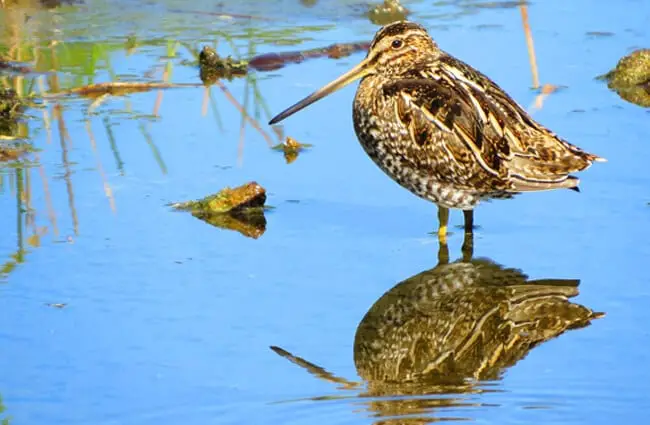
The name “snipe” refers to several species within the Scolopacidae family, most notably the Common Snipe (Gallinago gallinago) and Wilson’s Snipe (Gallinago delicata). These are medium sized, somewhat stocky wading birds characterized by their long, straight bills and cryptic plumage. They are found across a wide geographic range, spanning North America, Europe, Asia, and beyond. Their secretive nature and exceptional camouflage make spotting them a true challenge for birdwatchers.
Physical Characteristics
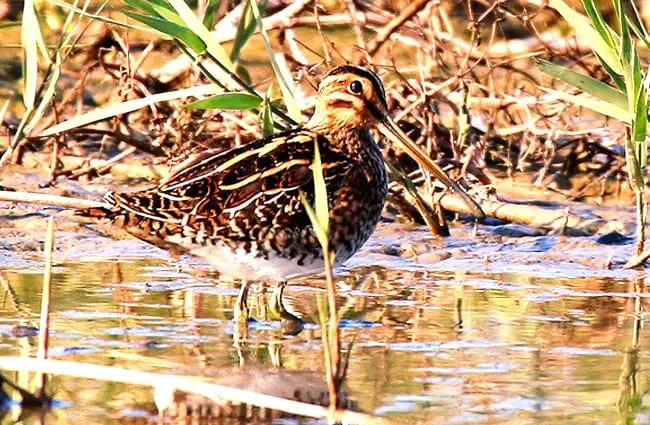
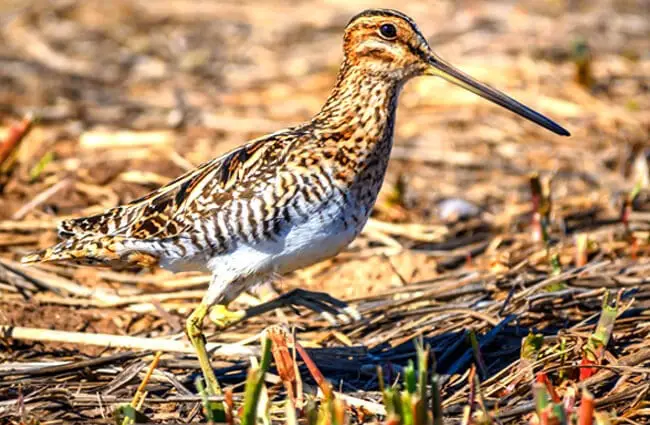
Snipe typically measure between 19 and 26 centimeters in length, with a wingspan ranging from 43 to 55 centimeters. Their plumage is a mosaic of browns, blacks, and buff tones, perfectly blending with the marshy environments they inhabit. A key identifying feature is the stripe that runs down the back of the head, though this can be difficult to discern in flight. Their legs are relatively short but strong, enabling them to navigate muddy terrain with ease. The long bill is not only straight but also possesses a sensitive tip, used to probe the mud for invertebrates.
Habitat and Distribution
Snipe are primarily associated with wet grasslands, marshes, bogs, and damp meadows. They require areas with abundant vegetation for nesting and foraging. Common Snipe are found across Europe and Asia, while Wilson’s Snipe is native to North America. Both species are migratory, traveling long distances to reach suitable breeding and wintering grounds. Habitat loss and degradation are significant threats to snipe populations, underscoring the importance of wetland conservation.
Diet and Foraging Behavior
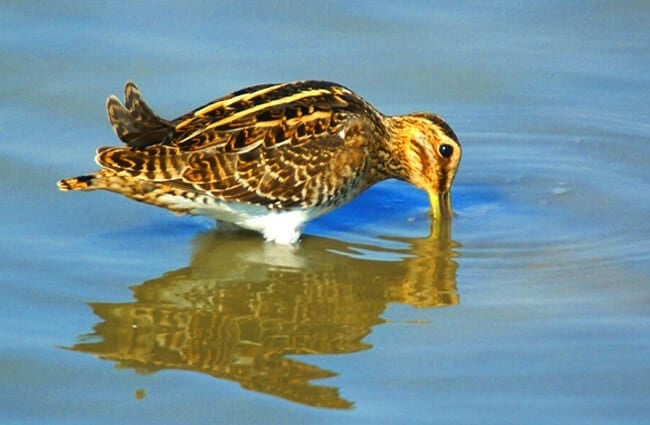
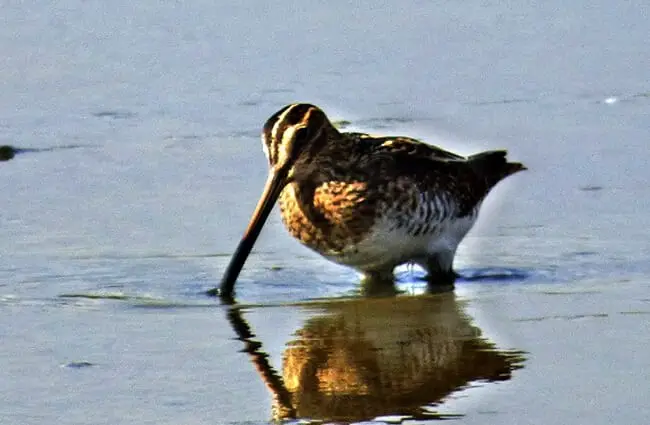
Snipe are primarily invertebrate feeders, consuming a variety of insects, worms, crustaceans, and mollusks. They forage by probing the mud with their long bills, detecting prey through sensitive receptors. Their diet varies seasonally, depending on the availability of different invertebrates. They also consume plant matter, particularly seeds, at certain times of the year. Snipe often forage at dusk and dawn, maximizing their feeding opportunities while minimizing the risk of predation.
Evolutionary History
The evolutionary history of the snipe can be traced back to the Scolopacidae family, which emerged during the Paleogene period. Fossil evidence suggests that early scolopacids were more diverse than their modern counterparts, with a wider range of body sizes and bill shapes. Snipe, as we know them today, likely evolved from wading birds that adapted to life in wet grasslands and marshes. Their long bills and sensitive feeding mechanisms represent key adaptations to this environment.
Mating and Reproduction
Snipe are typically monogamous, forming pair bonds that last for a single breeding season. Males attract females through elaborate aerial displays, involving dramatic flights and distinctive calls known as “drumming.” This drumming sound is produced by air forced through the tail feathers during a steep dive. The nest is a shallow scrape in the ground, lined with vegetation. Females typically lay four eggs, which are incubated for approximately 21 to 22 days. Chicks are precocial, meaning they are relatively mobile and capable of foraging shortly after hatching.
Ecological Role and Interactions
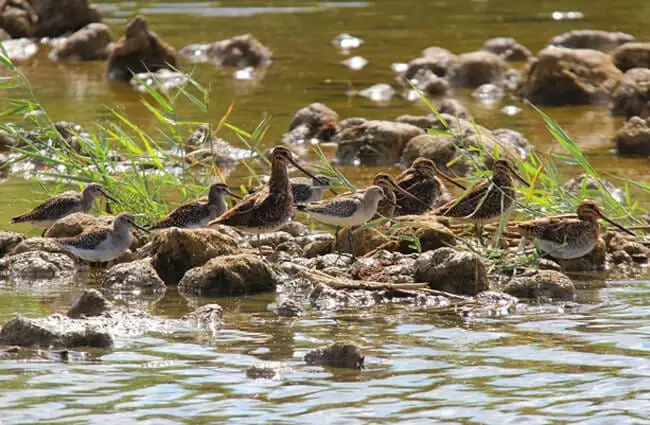
Snipe play an important role in wetland ecosystems. As invertebrate feeders, they help to control populations of insects and other invertebrates. They also serve as prey for a variety of predators, including raptors, foxes, and snakes. Snipe are often found in association with other wading birds, creating a diverse and dynamic community. Their presence is an indicator of wetland health, reflecting the quality of the habitat and the abundance of food resources.
Interaction with Humans
Historically, snipe were hunted for sport and food. While hunting regulations have helped to protect populations in many areas, illegal hunting and habitat loss remain significant threats. Snipe are also susceptible to collisions with vehicles and power lines, particularly during migration. Conservation efforts focused on protecting and restoring wetland habitats are essential for ensuring the long term survival of these birds.
Spotting Snipe in the Wild
Locating snipe requires patience and knowledge of their preferred habitats. Look for wet grasslands, marshes, and bogs with abundant vegetation. Listen for their distinctive drumming calls during the breeding season. Snipe are masters of camouflage, blending seamlessly with their surroundings. Scan the vegetation carefully, looking for subtle movements or patterns. Binoculars can be helpful for spotting snipe from a distance. Remember to observe these birds from a respectful distance, minimizing any disturbance to their natural behavior.
Caring for Snipe in Captivity
Caring for snipe in captivity presents unique challenges. They require spacious enclosures with a mix of open areas and dense vegetation. The substrate should be soft and muddy, allowing them to probe for food. Their diet should consist of a variety of invertebrates, supplemented with seeds and plant matter. Snipe are sensitive to stress and require a quiet, undisturbed environment. Regular veterinary checkups are essential for maintaining their health and well being. It is crucial to provide enrichment activities to stimulate their natural foraging and nesting behaviors.
Fun Facts About Snipe
- The “snipe hunt” is a traditional prank played on newcomers to birdwatching groups.
- Snipe can fly at speeds of up to 60 kmh (about 37 mph).
- Their long bills are equipped with receptors that detect prey hidden beneath the mud.
- Snipe are capable of making a variety of vocalizations, including chirps, whistles, and drumming sounds.
- They are found on every continent except Antarctica.
The snipe, a symbol of wetland health and avian mystery, continues to captivate and inspire. By understanding its life history, ecology, and conservation needs, we can ensure that this remarkable bird thrives for generations to come. Its subtle presence reminds us of the importance of preserving the natural world and protecting the delicate balance of life on Earth.
![Closeup of a beautiful Red Angus cowPhoto by: U.S. Department of Agriculture [pubic domain]https://creativecommons.org/licenses/by/2.0/](https://animals.net/wp-content/uploads/2020/03/Red-Angus-4-238x178.jpg "Red Angus")
![Closeup of a beautiful Red Angus cowPhoto by: U.S. Department of Agriculture [pubic domain]https://creativecommons.org/licenses/by/2.0/](https://animals.net/wp-content/uploads/2020/03/Red-Angus-4-100x75.jpg "Red Angus")