The Samoyed, a breed instantly recognizable by its dazzling white coat and perpetual smiling expression, is far more than just a pretty face. This robust, intelligent, and affectionate dog boasts a rich history and a unique set of characteristics that make it both a wonderful companion and a demanding charge. Understanding the Samoyed’s origins, temperament, and needs is crucial for anyone considering welcoming one into their life.
A Journey Through Time: The History of the Samoyed
The Samoyed’s story begins in the harsh, icy landscapes of Siberia, where the Samoyedic peoples relied on these dogs for survival. For centuries, the Samoyed wasn’t simply a pet, but a vital working partner. They herded reindeer, pulled sledges across vast distances, and served as guardians of the nomadic tribes. Their thick, insulating coat protected them from the brutal Siberian winters, and their stamina was legendary.
The breed’s name originates from the Samoyedic peoples, but the dogs themselves were selectively bred by various Siberian tribes. Early explorers and hunters, captivated by the Samoyed’s abilities, began bringing them to other parts of the world in the late 19th and early 20th centuries. The first Samoyeds arrived in England, and subsequently in the United States, where they quickly gained popularity as show dogs and companions. Their participation in the early days of dog shows helped to standardize the breed and promote its unique characteristics.
Physical Characteristics: Size, Weight, and Appearance
The Samoyed is a medium to large‑sized dog. Males typically stand between 21 and 23.5 inches tall at the shoulder and weigh between 45 and 65 pounds. Females are slightly smaller, measuring 19 to 21 inches tall and weighing between 35 and 50 pounds.
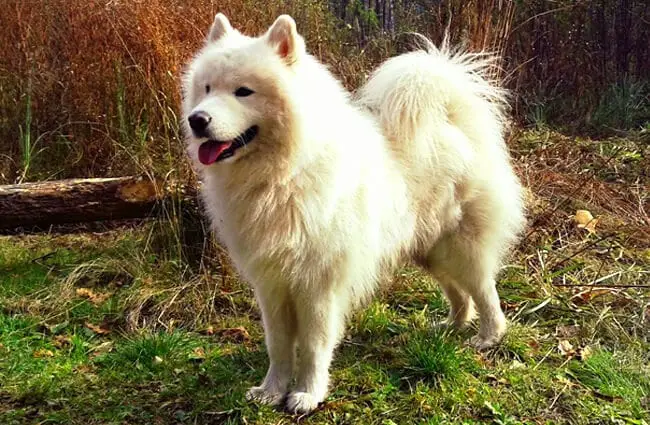
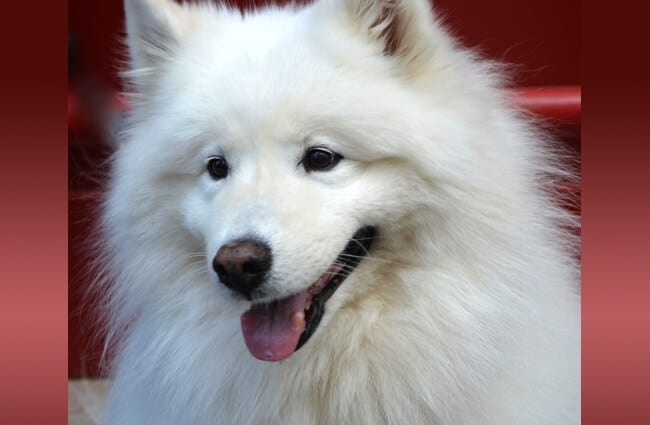
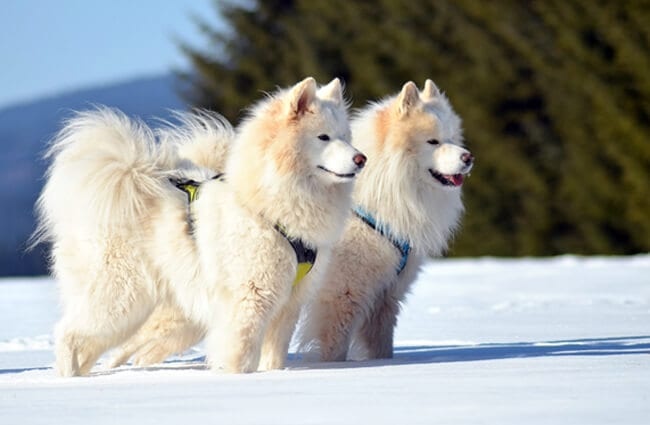
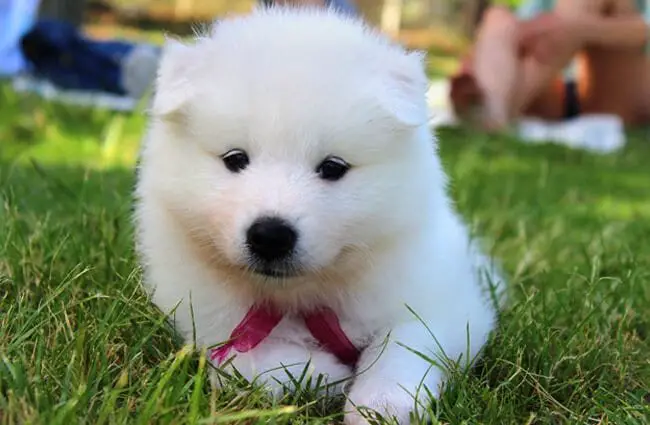
The most striking feature of the Samoyed is, of course, its luxurious white coat. This double coat consists of a dense, soft undercoat and a longer, coarser outer coat. The coat isn’t just for show; it provides exceptional insulation against cold weather. Samoyeds do shed, and they shed frequently, particularly during seasonal changes. Regular and thorough grooming is essential to prevent matting and keep the coat healthy. The coat also feels remarkably soft to the touch, earning them the nickname “smiling white.”
Temperament and Behavior: What Makes a Samoyed Tick?
Samoyeds are known for their friendly, gentle, and playful nature. They are remarkably intelligent and eager to please, making them relatively easy to train, although they can be independent thinkers. Their historical role as working dogs means they have a high energy level and require plenty of exercise.
They are inherently social animals and thrive on human interaction. They are generally good with children and other dogs, but early socialization is crucial to ensure they are well adjusted. Due to their herding instincts, they may occasionally attempt to “herd” small children or animals, but this can be managed with training. Samoyeds retain a degree of independence and can be prone to wander if not properly contained.
Vocalization and the “Sammy Smile”
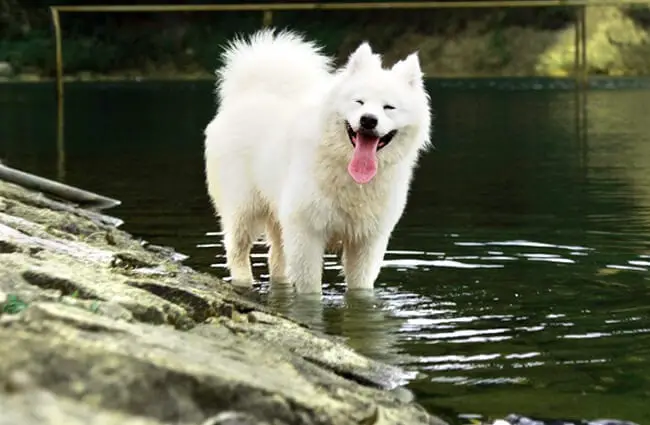
Samoyeds are not typically known as excessive barkers, but they are vocal dogs. They often “talk” with a unique yodeling sound and will happily vocalize their opinions on various matters. The famous “Sammy smile” is a result of their facial structure and relaxed demeanor. It is a charming trait that contributes to their overall appealing appearance.
Caring for Your Samoyed: Needs and Considerations
Owning a Samoyed is a rewarding experience, but it requires commitment and dedication. Here’s a breakdown of their essential needs:
- Exercise: Samoyeds need at least an hour of vigorous exercise daily. This can include walks, runs, playtime, or participation in dog sports like agility or herding.
- Grooming: Regular brushing, ideally several times a week, is essential to prevent matting and keep their coat healthy. They also require occasional bathing and professional grooming.
- Training: Early socialization and obedience training are crucial. Samoyeds respond well to positive reinforcement methods.
- Diet: A high quality dog food formulated for medium to large breeds is recommended. Monitor their food intake to prevent weight gain.
- Health: Samoyeds are generally healthy dogs, but they are prone to certain health conditions, including hip dysplasia, progressive retinal atrophy, and glaucoma. Regular veterinary checkups are essential for early detection and treatment.
Environment and Living Space
While Samoyeds can adapt to apartment living, they thrive in homes with access to a securely fenced yard. They are relatively tolerant of cold weather but can overheat in hot climates. Providing access to shade and plenty of fresh water is essential during warm weather.
Digging Deeper: Advanced Considerations for Samoyed Owners
For those seeking a deeper understanding of the breed, several nuanced points are worth exploring.
The Samoyed and Predatory Drift
Despite their gentle nature, Samoyeds, like many Spitz breeds, can exhibit a degree of predatory drift, particularly toward smaller animals. This isn’t necessarily aggression, but rather a strong instinct to chase and pursue. Careful supervision and training are essential when around cats, rabbits, or other small pets.
Cognitive Abilities and Puzzle Toys
Samoyeds are intelligent dogs with a strong need for mental stimulation. Providing puzzle toys, interactive games, and training sessions can help prevent boredom and destructive behavior. They excel in activities that challenge their problem‑solving skills.
Understanding the “Blow Coat”
Twice a year, Samoyeds undergo a phenomenon known as “blowing coat,” where they shed their entire undercoat. During this time, brushing becomes even more critical, and it may seem like you’re constantly battling a cloud of white fur. This is a natural process, and the coat will eventually grow back in.
Is a Samoyed Right for You?
The Samoyed is a magnificent breed with a lot to offer, but it’s not for everyone. They require a significant time commitment for exercise, grooming, and training. They are best suited for active individuals or families who can provide them with the attention and stimulation they need. If you’re prepared to meet their needs, a Samoyed can bring years of joy, companionship, and fluffy smiles into your life.





![Closeup of a beautiful Red Angus cowPhoto by: U.S. Department of Agriculture [pubic domain]https://creativecommons.org/licenses/by/2.0/](https://animals.net/wp-content/uploads/2020/03/Red-Angus-4-100x75.jpg "Red Angus")