The Chinook, a remarkable canine with a captivating history and unique characteristics, deserves a closer look. Often mistaken for a German Shepherd due to its similar appearance, the Chinook is a distinct breed with a compelling story of resilience and dedication. This guide delves into the world of the Chinook, exploring its origins, physical traits, temperament, care requirements, and ecological role.

Origins and History
A Breed Born of Arctic Exploration
The Chinook’s story begins in the early 20th century with Arthur T. Walden, a gold prospector and dog sled driver in New Hampshire. Walden wasn’t aiming to create a breed, but rather to assemble the best team of sled dogs possible. He began with a foundation of Northern Inuit dogs, a now extinct type, and carefully crossed them with breeds like the Belgian Shepherd, German Shepherd, and even some Siberian Husky. The goal was a powerful, resilient dog capable of thriving in harsh conditions.
The resulting dogs proved exceptional. They were strong, fast, and possessed an incredible work ethic. Walden recognized their potential and began a selective breeding program, focusing on consistent traits and temperament. The breed gained prominence during Admiral Byrd’s expeditions to Antarctica in the late 1920s and 1930s. Chinooks were integral to these expeditions, serving as vital members of the sled teams that traversed the icy continent. This association cemented their reputation as dependable and hardy working dogs.
However, following World War II, the breed nearly vanished. Demand for sled dogs declined with the rise of snowmobiles, and selective breeding efforts waned. By the 1960s, the Chinook population dwindled to just a handful of dogs. A dedicated group of enthusiasts stepped in, initiating a rescue and preservation effort that continues to this day. The American Kennel Club officially recognized the Chinook in 2010, marking a significant step in securing the breed’s future.
Physical Characteristics
A Striking Appearance
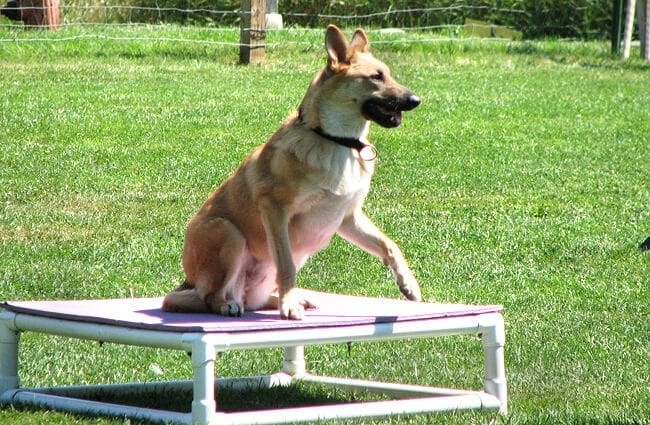
Chinooks are medium to large sized dogs, typically standing between 23 and 27 inches tall and weighing between 50 and 75 pounds. They possess a muscular build, reflecting their working heritage. Their coat is dense and double layered, providing excellent insulation against cold weather. Colors range from black and white to shades of buff, sable, and cream. A distinctive mask is common, adding to their expressive faces.
Their head is broad with a moderate stop, and their ears are triangular and erect, contributing to their alert and intelligent expression. Chinooks have a powerful jaw and a black nose. Their eyes are typically dark brown, conveying a sense of warmth and intelligence. The tail is well furred and carried in a graceful curve, though it is not overly plumed like some other northern breeds.
Temperament and Behavior
Gentle Giants with a Working Drive
The Chinook is renowned for its gentle and affectionate temperament. They are known to be exceptionally good with children, earning them the nickname “gentle giants”. Despite their size and strength, they are remarkably patient and tolerant. However, their working heritage means they also possess a considerable amount of energy and require regular exercise.
Chinooks are intelligent and eager to please, making them relatively easy to train. They excel in activities such as obedience, agility, and weight pulling. Early socialization is crucial to ensure they develop into well adjusted adults. They can be somewhat reserved with strangers, but are generally not aggressive. Their independence requires a firm, consistent, and positive reinforcement based approach to training.

Habitat and Distribution
Adapting to Diverse Environments
Originally bred for the harsh conditions of the Arctic, the Chinook is surprisingly adaptable. While they thrive in colder climates, they can live comfortably in warmer regions provided they have access to shade and plenty of water. They are often found in rural and suburban settings, where they have space to roam and exercise. Today, they are found primarily in North America, with smaller populations in Europe and Australia.
In the wild, their ancestral habitat would have included snowy, forested areas. They are adept at navigating difficult terrain and can withstand prolonged exposure to cold temperatures. While not truly “wild” anymore, their innate abilities remain intact, allowing them to enjoy outdoor activities such as hiking, sledding, and snowshoeing.
Diet and Feeding
Fueling an Active Lifestyle
Chinooks require a high quality diet that is appropriate for their age, activity level, and overall health. A balanced diet should consist of protein, carbohydrates, and healthy fats. Puppies and young dogs need more protein to support their growth and development. Adult dogs can benefit from a diet that is rich in protein and fats to provide energy for their active lifestyle.
It’s essential to avoid overfeeding, as Chinooks can be prone to weight gain. A typical adult dog may require between 3 and 4 cups of high quality dry food per day, divided into two meals. Fresh water should always be available. Supplements may be beneficial in some cases, but it’s best to consult with a veterinarian before adding any new products to their diet.
Reproduction and Life Cycle
Bringing New Chinooks into the World
Chinooks typically reach sexual maturity between 18 and 24 months of age. The estrous cycle in females lasts approximately 6 to 8 months, with each heat lasting about 3 weeks. Gestation lasts approximately 63 days. A litter typically consists of 4 to 8 puppies.
Puppies are born blind and deaf and rely entirely on their mother for care. They begin to open their eyes and ears at around 2 to 3 weeks of age. Weaning begins at around 4 to 6 weeks, and puppies are typically ready to go to their new homes at around 8 to 10 weeks. Proper socialization and early training are crucial for developing well adjusted adults.
Ecological Role and Interactions
A Keystone Species in Arctic Ecosystems
Historically, the Chinook played a vital role in the Arctic ecosystems. Their ability to navigate difficult terrain and haul heavy loads made them indispensable to indigenous communities. They were used for transportation, hunting, and communication, and their presence ensured the survival of many communities. They assisted in hunting seals, caribou, and other Arctic animals.
Today, their ecological role is less pronounced, but they continue to contribute to the health of local ecosystems. Their presence attracts tourists and supports local economies. They also serve as ambassadors for conservation efforts. As working dogs, they can participate in search and rescue operations and assist in disaster relief efforts.
Chinooks and Humans
A Lasting Partnership
The relationship between Chinooks and humans dates back centuries. Indigenous communities relied on them for survival, and early explorers recognized their exceptional abilities. Today, Chinooks are primarily kept as companion animals and working dogs. They excel in a variety of activities, including obedience, agility, weight pulling, and sledding.
They are known for their loyalty, intelligence, and gentle temperament, making them ideal family companions. However, they require a significant amount of exercise and mental stimulation, so they are best suited for active individuals or families. Responsible ownership includes providing proper training, socialization, and veterinary care.
Interesting Facts
- The Chinook is one of the rarest dog breeds in the world, with an estimated population of only a few thousand.
- They are known for their distinctive “smiling” expression.
- Chinooks are excellent swimmers.
- They have a strong prey drive, so caution should be exercised around small animals.
- Chinooks are relatively quiet dogs, but they will bark to alert their owners of potential danger.
- Their double coat sheds seasonally, so regular grooming is essential.
The Chinook stands as a testament to the power of selective breeding and the enduring bond between humans and canines. From its humble beginnings in the snowy landscapes of New Hampshire to its near extinction and subsequent rescue, the breed’s story is one of resilience, dedication, and unwavering loyalty. By understanding their history, characteristics, and needs, we can ensure that this remarkable breed continues to thrive for generations to come.

![Closeup of a beautiful Red Angus cowPhoto by: U.S. Department of Agriculture [pubic domain]https://creativecommons.org/licenses/by/2.0/](https://animals.net/wp-content/uploads/2020/03/Red-Angus-4-100x75.jpg "Red Angus")