The Otterhound, a breed steeped in history and brimming with character, represents a unique chapter in canine development. Once vital for otter hunting—a now largely bygone pursuit—this remarkable scent hound continues to captivate those seeking a distinctive and devoted companion. Understanding its origins, temperament, and specific needs is crucial for anyone considering welcoming an Otterhound into their life.
A History Rooted in Otter Hunting
The Otterhound’s story begins in Britain, dating back to the medieval period. Originally developed to hunt otters, both for sport and to protect fish stocks, these dogs were prized for their incredible scenting ability, stamina, and willingness to enter water. Otter hunting was a demanding sport, requiring dogs to follow scent trails over land and through rivers, often in challenging conditions. This shaped the Otterhound into the robust, water-loving hound it is today.
During the 19th and early 20th centuries, Otterhounds were actively used by hunts across England and Wales. However, with the decline of otter populations and the eventual banning of otter hunting in 1978, the breed faced a severe population decline. Dedicated breeders and enthusiasts worked tirelessly to preserve the Otterhound, but it remains one of the rarest breeds in the world, consistently appearing on lists of endangered canine species.
Physical Characteristics: A Rugged and Unique Appearance
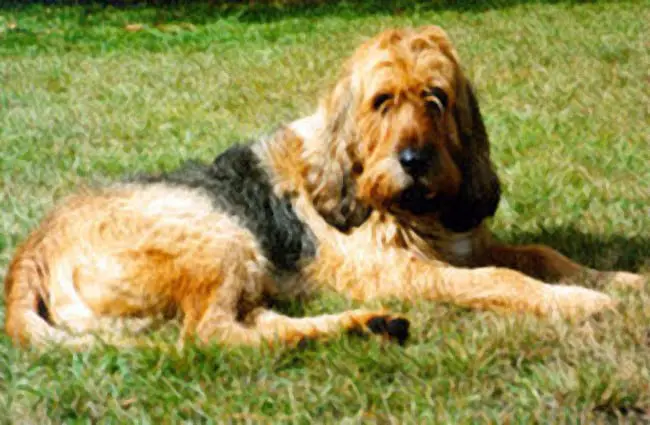
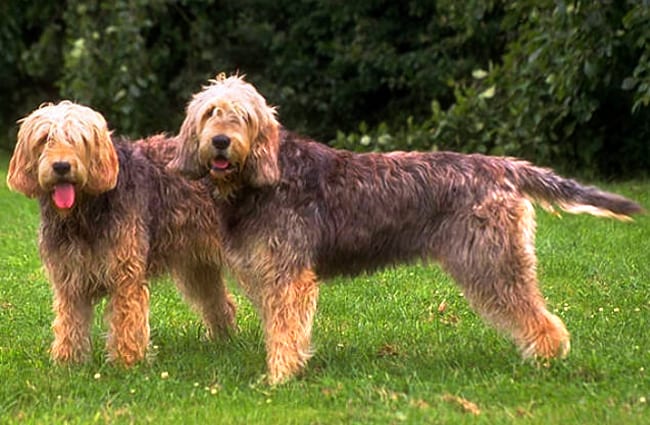
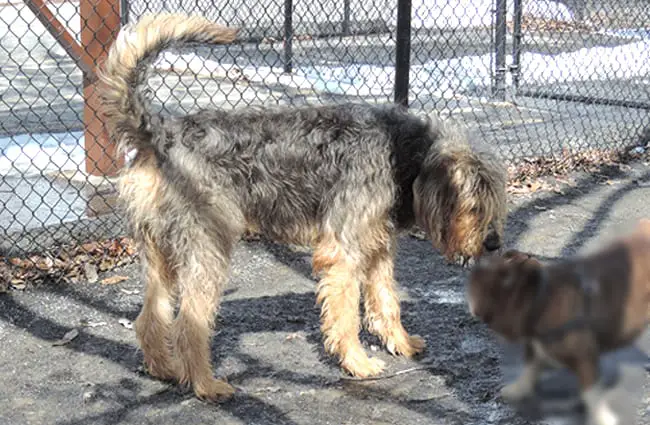
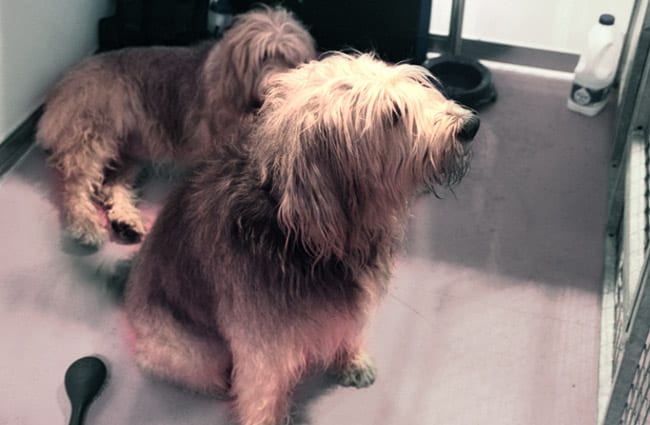
Otterhounds are large and powerfully built dogs, designed for endurance and aquatic pursuits. Males typically stand 24 to 27 inches tall at the shoulder and weigh between 65 and 90 pounds, while females are slightly smaller, ranging from 21 to 24 inches and 55 to 70 pounds. Their coat is a distinctive feature—a double coat consisting of a coarse, dense outer coat and a soft undercoat. This provides excellent protection against water and harsh weather.
The accepted coat colors are grizzle, black and tan, or entirely white. Often, Otterhounds have a ‘saddle’ of darker coloration over their backs. Their heads are broad with a slightly domed skull, and their muzzles are long and powerful. Perhaps most striking are their expressive, dark eyes and their long, floppy ears which help to trap scent close to the nose. They possess webbed feet, an adaptation perfectly suited for swimming.
Temperament and Behavior: A Gentle Giant with a Nose for Adventure
Despite their size and hunting background, Otterhounds are known for their gentle and amiable temperament. They are affectionate and playful with their families, and generally good with children, though early socialization is always important. They are social animals and enjoy the company of other dogs. However, their strong prey drive means they should be carefully supervised around smaller animals, such as cats or rabbits.
Otterhounds are intelligent but can be independent and somewhat stubborn, which can make training a challenge. Positive reinforcement methods, consistency, and patience are essential. They are scent hounds, and their noses will often lead them astray if given the opportunity. A secure, fenced yard is a necessity, as they are prone to following interesting scents. Their energy levels are high, and they require plenty of exercise to stay happy and healthy. Long walks, runs, and swimming are all excellent ways to keep them stimulated.
Caring for Your Otterhound: Meeting Their Unique Needs
Owning an Otterhound is a rewarding experience, but it requires a commitment to meeting their specific needs. Here’s a breakdown of essential care requirements:
Exercise
Otterhounds need at least two hours of vigorous exercise per day. This could include long walks, runs, swimming, or scent work activities. Without adequate exercise, they can become bored and destructive.
Grooming
Their double coat requires regular brushing, at least several times a week, to prevent matting and reduce shedding. They will also need occasional bathing. Their ears should be checked and cleaned regularly to prevent infections, particularly after swimming.
Diet
A high-quality dog food formulated for large breeds is essential. The amount of food will depend on their age, activity level, and metabolism. It is important to avoid overfeeding, as Otterhounds can be prone to weight gain.
Training
Early socialization and obedience training are crucial. Focus on positive reinforcement methods and keep training sessions short and engaging. Addressing potential issues like recall and leash manners is particularly important, given their independent nature and strong prey drive.
Health Considerations: Understanding Potential Issues
While generally healthy, Otterhounds are prone to certain health conditions. Responsible breeders will screen their dogs for these issues:
- Hip Dysplasia: A common condition in large breeds, where the hip joint doesn’t develop properly.
- Elbow Dysplasia: Similar to hip dysplasia, but affecting the elbow joint.
- Progressive Retinal Atrophy (PRA): A degenerative eye disease that can lead to blindness.
- Bloat (Gastric Dilatation-Volvulus): A life‑threatening condition where the stomach fills with gas and twists.
Regular veterinary checkups and a healthy lifestyle can help to prevent or manage these conditions.
Is an Otterhound the Right Breed for You?
The Otterhound is a unique and captivating breed, but it’s not for everyone. They thrive in active households with plenty of space and time for exercise. Prospective owners should be prepared to commit to their training and grooming needs. If you are looking for a loyal, affectionate, and adventurous companion, and you can provide them with the stimulation and care they need, an Otterhound might be the perfect addition to your family. However, understanding their specific needs and committing to a lifestyle that supports them is crucial for a harmonious relationship.
![Closeup of a beautiful Red Angus cowPhoto by: U.S. Department of Agriculture [pubic domain]https://creativecommons.org/licenses/by/2.0/](https://animals.net/wp-content/uploads/2020/03/Red-Angus-4-100x75.jpg "Red Angus")