A Deep Dive into the Berger Picard
The Berger Picard, a rustic and intelligent breed from the Picardy region of France, remains relatively unknown outside its native land. This is not due to a lack of desirable qualities, but rather to its historically local purpose and a recent, deliberate effort to expand the breed’s reach. Often described as a “shaggy sheepdog,” the Berger Picard is more than just a handsome face; it is a working dog with a rich history and a unique character.
History and Origins
The story of the Berger Picard stretches back centuries, likely rooted in the ancient sheepdogs that accompanied nomadic herders. The Picardy region, a patchwork of pastures and farmland, required a hardy and adaptable dog capable of managing flocks in challenging conditions. While the exact ancestry is debated, the breed is believed to be related to other continental shepherd breeds.
For generations, the Berger Picard served as the primary livestock guardian and herding dog for farmers in Picardy. They were tasked with moving sheep, protecting them from predators, and ensuring their well‑being. This independent working role shaped the breed’s temperament. Following the World Wars, like many working breeds, the Berger Picard faced decline. Dedicated breeders and enthusiasts stepped in to save the breed from extinction, and a focused revitalization program was implemented.
Physical Characteristics
Size and Weight
The Berger Picard is a medium to large‑sized dog. Males typically stand between 24 and 27 inches tall at the shoulder and weigh 70 to 85 pounds. Females are slightly smaller, ranging from 22 to 26 inches tall and weighing 60 to 75 pounds. They possess a well‑proportioned, athletic build that reflects their working heritage.
Coat and Color
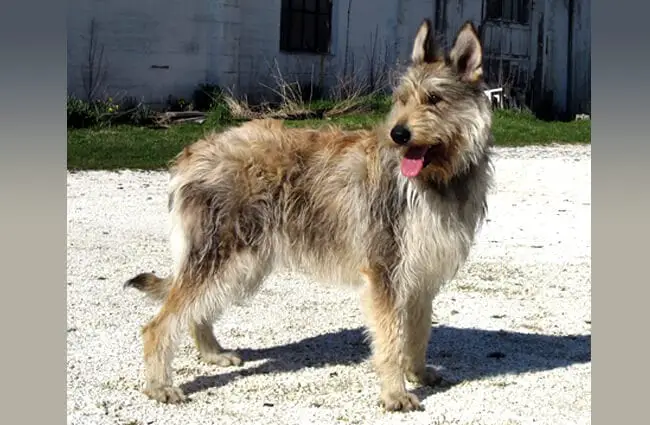
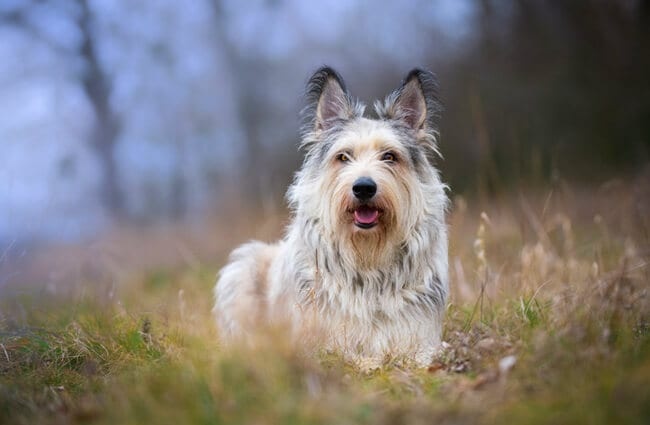
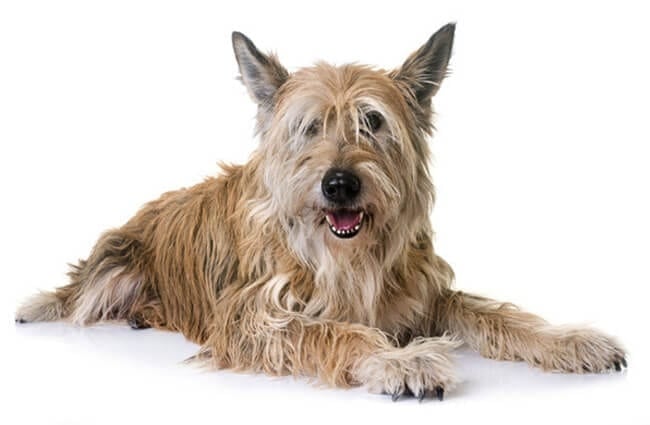
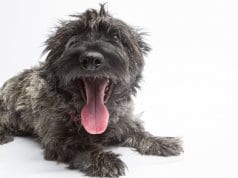
The most distinctive feature of the Berger Picard is its shaggy, double coat. The outer coat is long, coarse, and slightly wavy, while the undercoat is dense and woolly, providing insulation against the elements. The coat does not require excessive grooming, but regular brushing is essential to prevent matting. The breed standard accepts a variety of colors, including black, fawn, gray, and brindle, often with white markings. A unique characteristic is the presence of a “beard” and “eyebrows,” which give the dog an expressive face.
Temperament and Behavior
The Berger Picard is known for its intelligence, loyalty, and independent spirit. These dogs are naturally cautious of strangers, making them excellent watchdogs. However, they are deeply devoted to their families and form strong bonds with their owners. Early socialization is crucial to ensure they develop into well‑adjusted adults.
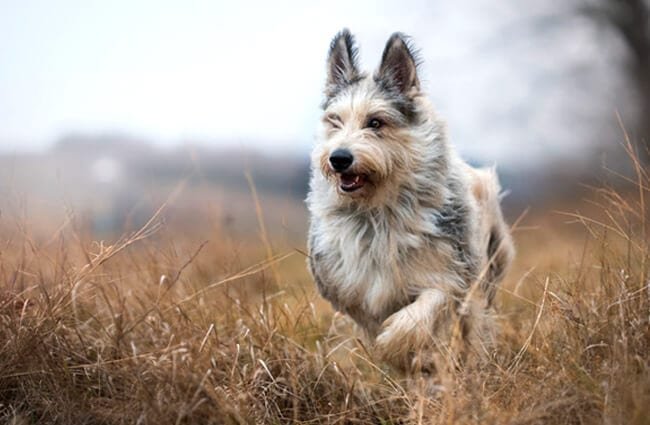
Because of their working background, Berger Picards have a high level of energy and require plenty of physical and mental stimulation. They excel in canine sports such as agility, obedience, and herding. They thrive when given a “job” to do, even if it is simply retrieving toys or learning new tricks. Without an adequate outlet for their energy, they can become bored and destructive. They are sensitive dogs that respond best to positive reinforcement training methods. Harsh corrections can damage their trust and lead to behavioral problems.
Caring for Your Berger Picard
Exercise Needs
A Berger Picard needs at least one to two hours of exercise per day. This can include brisk walks, runs, hikes, or play sessions in a securely fenced yard. Mental stimulation is equally important; puzzle toys, training sessions, and interactive games can help keep their minds engaged.
Grooming
While the Berger Picard’s coat does not require daily grooming, regular brushing is essential to prevent matting and maintain its health. Brushing several times a week removes loose hair and debris. Occasional bathing is necessary, but avoid over‑bathing, as this can strip the coat of its natural oils. Pay particular attention to the ears, cleaning them regularly to prevent infections.
Training and Socialization
Early socialization is paramount for Berger Picards. Expose them to a variety of people, places, and experiences from a young age to help them develop into well‑adjusted adults. Positive reinforcement training methods are most effective, as these dogs are sensitive and respond best to encouragement. Consistency and patience are key to success. Berger Picards are intelligent and eager to learn, but they can also be independent and stubborn, so a firm yet gentle approach is necessary.
Health Considerations
The Berger Picard is generally a healthy breed, but like all breeds, it is prone to certain health conditions. Hip dysplasia, elbow dysplasia, and progressive retinal atrophy (PRA) are among the most common concerns. Responsible breeders screen their breeding stock for these conditions to minimize the risk of passing them on to puppies. Gastric dilation volvulus (bloat), a life‑threatening condition, is also a concern in deep chested breeds like the Berger Picard. Owners should be familiar with the symptoms of bloat and seek immediate veterinary attention if they suspect their dog is affected.
Is a Berger Picard Right for You?
The Berger Picard is a wonderful breed for active individuals or families who can provide them with the physical and mental stimulation they need. They are loyal, intelligent, and affectionate companions. However, they are not a good fit for sedentary lifestyles or inexperienced dog owners. They require consistent training, early socialization, and a firm yet gentle hand. If you are willing to put in the time and effort, a Berger Picard can bring years of joy and companionship to your life.
Interesting Facts
Rare Breed: The Berger Picard is still relatively rare outside of France, making it a unique and special breed.
Natural Bobtails: Many Berger Picards are born with naturally short tails, although some are born with long tails that are often left natural.
Sensitive Side: Despite their independent nature, Berger Picards are sensitive dogs who thrive on positive reinforcement and gentle handling.
Working Instincts: Their strong working instincts mean they need a job to do, even if it is just fetching toys or learning new tricks.
![Closeup of a beautiful Red Angus cowPhoto by: U.S. Department of Agriculture [pubic domain]https://creativecommons.org/licenses/by/2.0/](https://animals.net/wp-content/uploads/2020/03/Red-Angus-4-100x75.jpg "Red Angus")