
The Border Terrier, a small but spirited breed originating from the rugged borderlands between England and Scotland, has captured the hearts of dog lovers worldwide. These tenacious terriers were originally bred for fox hunting, and their history has shaped them into the intelligent, independent, and undeniably charming companions they are today. This article delves into all aspects of the Border Terrier, providing a comprehensive guide for potential owners and enthusiasts alike.

A History Rooted in the Borderlands
The name itself offers a clue to the breed’s origins. Border Terriers were developed in the 18th and 19th centuries by farmers and huntsmen living along the border between England and Scotland. They needed a working terrier capable of following foxes on foot across challenging terrain, and the Border Terrier proved up to the task. Unlike some other terrier breeds that were bred for digging, the Border Terrier was specifically developed to chase and bolt foxes, rather than excavate them, resulting in a more athletic and less destructive working style. They were prized for their stamina, courage, and ability to work independently. The breed remained relatively unknown outside the border region until the mid‑20th century, when enthusiasts began to promote and standardize the breed.
Physical Characteristics
Size and Weight
Border Terriers are compact and sturdy dogs. Typically, they stand between 13 and 15 inches tall at the shoulder and weigh between 11.5 and 15.5 pounds. Their build is rectangular, suggesting both agility and endurance. They have a characteristic otter head, with a slightly domed skull and moderate stop.
Coat and Color
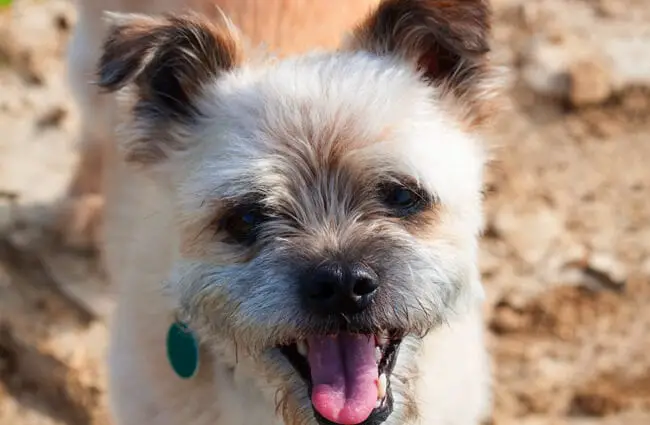
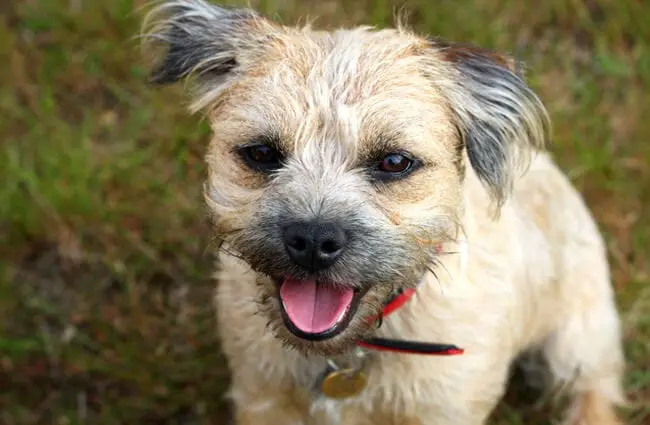
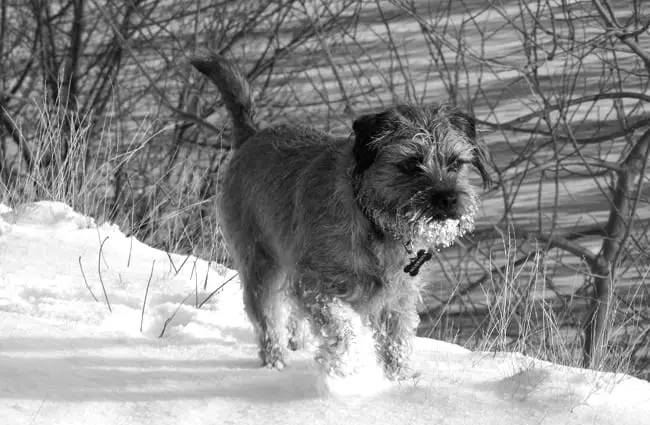
The Border Terrier boasts a double coat – a tough, wiry outer coat and a soft undercoat. This provides protection from harsh weather conditions. The coat requires regular grooming, including stripping or clipping to maintain its texture and appearance. Common coat colors include red, wheaten, blue and tan, and gray. A white marking on the chest is not uncommon.
Temperament and Behavior
Border Terriers are known for their bold, tenacious, and independent nature. They possess a classic terrier spirit – inquisitive, playful, and always up for a challenge. However, they are also affectionate and loyal companions to their families. Their intelligence makes them relatively easy to train, but their independent streak requires a firm and consistent approach. They are generally good with children, particularly when raised with them, but their playful exuberance may require supervision with very young children. Early socialization is crucial to ensure they get along well with other dogs and animals. Like many terriers, they may exhibit a high prey drive, so caution is advised around smaller pets.
Caring for Your Border Terrier
Exercise Needs
Despite their small size, Border Terriers are energetic dogs that require regular exercise. Daily walks, playtime in a securely fenced yard, and interactive games are essential to keep them physically and mentally stimulated. They enjoy activities like agility, flyball, and earthdog trials, which allow them to utilize their natural instincts and athleticism. A bored Border Terrier can quickly become destructive, so providing adequate outlets for their energy is vital.
Grooming
The Border Terrier’s coat requires regular maintenance. Weekly brushing helps remove loose hair and prevent matting. Stripping the coat a few times a year maintains its texture and color. Clipping is an alternative, but it softens the coat and may alter its appearance. Regular ear cleaning and nail trimming are also important aspects of grooming.
Training and Socialization
Border Terriers respond well to positive reinforcement training methods. Consistency, patience, and a firm but gentle approach are key. Early socialization is crucial to expose them to a variety of people, places, and experiences, helping them develop into well‑adjusted and confident adults. Training should focus on recall, loose‑leash walking, and basic obedience commands. Addressing their potential for stubbornness and prey drive requires consistent reinforcement and management.
Health Considerations
Border Terriers are generally a healthy breed, but like all breeds, they are prone to certain health conditions. These include hip dysplasia, patellar luxation, and certain eye conditions such as progressive retinal atrophy (PRA) and cataracts. Responsible breeders screen their breeding stock for these conditions to minimize the risk of passing them on to their puppies. Regular veterinary checkups are essential for early detection and treatment of any health problems. They can also be prone to allergies, so a quality diet is important.

Is a Border Terrier Right for You?
The Border Terrier is an excellent companion for active individuals or families who can provide them with the exercise, mental stimulation, and consistent training they need. They are intelligent, playful, and affectionate dogs that thrive on human interaction. However, they also possess a strong terrier personality and require a confident owner who can establish clear boundaries and provide consistent leadership. If you are prepared to meet their needs, a Border Terrier can bring years of joy and companionship to your life. They are a breed that truly embodies the spirit of adventure and the unwavering loyalty of a devoted companion.
In conclusion, the Border Terrier is a charming and spirited breed with a rich history and a distinctive personality. From their rugged origins in the borderlands to their playful antics in the modern home, these tenacious terriers continue to captivate dog lovers worldwide. With the right care, training, and commitment, a Border Terrier will undoubtedly become a cherished member of your family.


![Closeup of a beautiful Red Angus cowPhoto by: U.S. Department of Agriculture [pubic domain]https://creativecommons.org/licenses/by/2.0/](https://animals.net/wp-content/uploads/2020/03/Red-Angus-4-100x75.jpg "Red Angus")