
The Enigmatic Caracal: Master of the Savannah and Beyond
Deep within the sun-drenched savannas, arid scrublands, and rugged mountains of Africa and Asia, a creature of breathtaking agility and stealth reigns supreme. With its striking ear tufts and powerful leap, the Caracal, often mistakenly called the “Desert Lynx,” is a true marvel of the wild cat world. This article delves into the fascinating life of this elusive feline, exploring its biology, behavior, ecological role, and its intricate relationship with humanity, offering insights for everyone from curious students to seasoned zoologists.
Unveiling the Caracal: Basic Facts and Features
Physical Marvels: Built for the Hunt
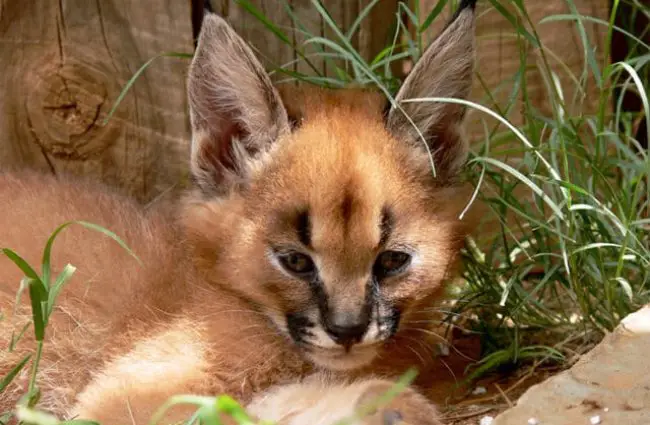
The Caracal (Caracal caracal) is a medium-sized wild cat, instantly recognizable by its distinctive long, black, tufted ears, which can be rotated independently like radar dishes. Its sleek, short coat typically ranges from tawny-brown to reddish-gold, providing excellent camouflage against its varied backdrops. Adults usually weigh between 18 to 40 pounds (8 to 18 kg) and stand about 16 to 20 inches (40 to 50 cm) at the shoulder, with males generally larger than females. Their powerful, muscular legs are disproportionately long, a key adaptation for their incredible jumping prowess.
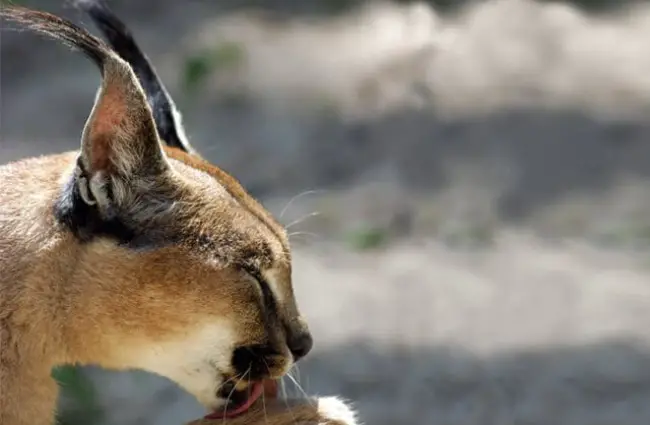
These cats possess a relatively short tail, about a third of their body length, which aids in balance during their acrobatic maneuvers. Their facial markings include prominent black lines extending from the eyes to the nose, enhancing their intense gaze. The ear tufts, while adding to their mystique, are believed to play a role in communication, possibly signaling mood or even aiding in sound localization by funneling sound waves.
Where the Caracal Roams: Habitat and Distribution
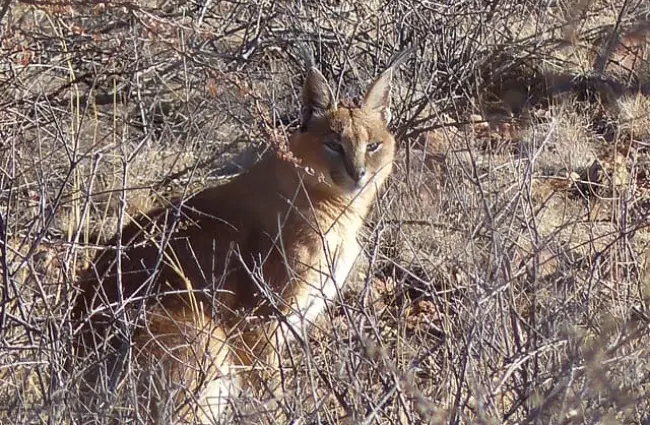
Caracals boast an impressive geographic range, spanning across much of Africa, the Middle East, and into Central Asia. They are incredibly adaptable, thriving in a diverse array of habitats. Their preferred environments include semi-deserts, arid savannas, scrub forests, and montane regions, often favoring areas with dense vegetation for cover and stalking. They are less common in true deserts or dense tropical forests, preferring open country with some form of shelter. Their ability to tolerate harsh, dry conditions is remarkable, often obtaining sufficient moisture from their prey, allowing them to go for extended periods without drinking water.
A Hunter’s Arsenal: Diet and Hunting Strategies
As obligate carnivores, Caracals are formidable predators. Their diet primarily consists of small to medium-sized mammals and birds. They are particularly renowned for their ability to catch birds in flight, leaping several feet into the air with astonishing precision. Their menu often includes rodents, hares, hyraxes, and small antelopes like gazelles and duikers. They are opportunistic hunters, occasionally preying on reptiles and even insects. Their hunting strategy is characterized by stealth and explosive speed. They stalk their prey silently, using their keen hearing to pinpoint location, then launch a rapid, powerful attack, often culminating in a spectacular leap.
Life Cycle and Social Dynamics
The Dance of Life: Mating and Reproduction
Caracals are largely solitary animals, coming together only for the purpose of breeding. Mating can occur throughout the year, though there may be seasonal peaks depending on the region and prey availability. After a gestation period of approximately 70 to 80 days, a female Caracal gives birth to a litter of one to six kittens, with an average of two to three. She prepares a den in a secluded spot, such as a rock crevice, an abandoned burrow, or dense bush, to ensure the safety of her vulnerable offspring.
The kittens are born blind and helpless, weighing only a few ounces. Their eyes open after about 10 days, and they begin to explore their surroundings within a few weeks. The mother Caracal is solely responsible for raising her young, providing milk, protection, and teaching them essential hunting skills. Kittens are weaned around 10 weeks but remain with their mother for up to a year, learning the intricacies of survival before dispersing to establish their own territories.
Caracals in the Wild: Ecosystem Role and Interactions
As mesopredators, Caracals play a crucial role in their ecosystems, primarily by regulating populations of smaller prey animals. By preying on rodents and other herbivores, they help maintain ecological balance and prevent overgrazing. They compete for resources with other medium-sized carnivores such as servals, jackals, and smaller wild dogs. While formidable hunters, Caracals can also become prey for larger predators, including lions, leopards, and hyenas, especially when they are young or injured. Their presence is an indicator of a healthy and diverse ecosystem, reflecting a robust food web.
Caracals and Humanity: A Complex Relationship
Echoes in Culture: Caracals Through History
The Caracal’s striking appearance and hunting prowess have captivated humans for millennia, leading to its integration into various cultures. In ancient Egypt, Caracals were revered, depicted in tomb paintings, and even mummified, suggesting a sacred status. They were sometimes kept as pets or used in hunting. Perhaps the most famous historical interaction was their use as hunting companions in India and Persia, where they were trained to hunt birds and small game. Their incredible leaping ability made them ideal for “bird coursing,” where they would be released into flocks of pigeons, showcasing their agility and speed. This historical connection highlights their intelligence and trainability, albeit as wild animals.
Coexisting with the Caracal: Conservation and Conflict
Globally, the Caracal is classified as “Least Concern” by the IUCN, indicating a relatively stable population. However, regional populations face significant threats. Habitat loss and fragmentation due to agricultural expansion and human development are primary concerns. Another major challenge is human-wildlife conflict, particularly with livestock farmers. Caracals, like many wild carnivores, occasionally prey on domestic livestock, leading to retaliatory killings by farmers seeking to protect their livelihoods. Conservation efforts focus on mitigating these conflicts through education, promoting predator-friendly farming practices, and protecting critical Caracal habitats. Understanding their behavior and ecological needs is vital for ensuring their long-term survival in a rapidly changing world.
Deeper Dive: Expert Insights and Practical Applications
Evolutionary Journey: Tracing the Caracal’s Lineage
The Caracal holds a unique position within the family Felidae. Genetic studies have revealed that it belongs to the Caracal lineage (Caracalidae), which also includes the African golden cat and the serval. This lineage diverged from other cat groups relatively early in feline evolution, making them distinct from the “true” lynxes, despite superficial similarities in appearance. Their evolutionary history reflects a long adaptation to arid and semi-arid environments, developing specialized physical traits like their powerful hind legs and acute hearing to thrive in these challenging landscapes. Studying their genetics provides valuable insights into the broader evolutionary tree of wild cats.
Encountering a Caracal in the Wild: A Hiker’s Guide
Spotting a Caracal in its natural habitat is a rare and thrilling experience, given their elusive and solitary nature. If you are fortunate enough to encounter one while hiking, remember these guidelines:
- Maintain Distance: Caracals are wild animals. Admire them from a safe distance. Do not attempt to approach, touch, or feed them.
- Observe, Do Not Disturb: Keep noise to a minimum and avoid sudden movements. Allow the animal to continue its natural behavior.
- If It Notices You: If the Caracal seems aware of your presence, remain calm. Do not run, as this might trigger a chase instinct.
- Make Yourself Look Larger: If the animal appears curious or defensive, slowly raise your arms above your head to appear bigger.
- Back Away Slowly: Gradually and calmly retreat from the area, keeping the animal in sight if possible.
- Report Significant Sightings: If you observe an injured Caracal, or one behaving unusually, report it to local wildlife authorities or park rangers.
Look for signs of their presence, such as distinctive tracks (four toes with no claw marks visible, typically), scat, or vocalizations, which include purrs, growls, hisses, and even a unique “chirp” sound.
Caring for Caracals in Captivity: A Zookeeper’s Handbook
Caring for Caracals in a zoological setting requires specialized knowledge and dedication to replicate their natural needs as closely as possible. The goal is to ensure their physical health and psychological well-being.
- Enclosure Requirements:
- Space and Security: Enclosures must be spacious, secure, and escape-proof, with high walls or mesh to prevent climbing out.
- Verticality: Provide ample climbing structures, elevated platforms, and sturdy branches to satisfy their arboreal tendencies and love for high vantage points.
- Substrate and Cover: Offer varied substrates for digging and natural vegetation or artificial cover for privacy and hiding.
- Shelter: Ensure access to sheltered areas, dens, or heated indoor spaces to protect from extreme weather.
- Diet:
- Carnivorous Diet: A high-quality carnivorous diet is essential, typically consisting of whole prey items such as rabbits, poultry, and rodents.
- Supplements: Nutritional supplements, particularly calcium and vitamins, should be administered under veterinary guidance to prevent deficiencies.
- Enrichment Feeding: Incorporate feeding enrichment by scattering food, using puzzle feeders, or hanging prey items to encourage natural hunting behaviors.
- Behavioral Enrichment:
- Sensory Stimulation: Introduce novel scents (spices, perfumes, predator urine from other species) and objects (new toys, boxes, branches) regularly.
- Physical Challenges: Design the enclosure to encourage climbing, jumping, and stalking. Rotate enrichment items to prevent habituation.
- Training: Positive reinforcement training can be used for husbandry behaviors, such as shifting between enclosures or voluntary participation in health checks, reducing stress for both animal and keeper.
- Veterinary Care:
- Routine Checks: Regular veterinary examinations, vaccinations, and parasite control are paramount.
- Monitoring: Keepers must be vigilant in observing changes in appetite, behavior, or physical condition, which can indicate health issues.
- What to Avoid:
- Direct Handling: Avoid direct handling without extensive training and strict safety protocols. Caracals are powerful wild animals, not pets.
- Inadequate Enclosure: Never compromise on enclosure size, security, or enrichment, as this leads to stress and abnormal behaviors.
- Monotonous Diet: A lack of dietary variety or enrichment can lead to nutritional deficiencies and boredom.
- Stressors: Minimize loud noises, sudden movements, and excessive human presence that can cause anxiety.
- Domestication Mindset: Do not treat Caracals as domestic pets. Their wild instincts are strong and must be respected.
Fascinating Facts: The Caracal’s Quirks and Charms
- “Desert Lynx” Misnomer: Despite its common nickname, the Caracal is not a true lynx. It belongs to its own distinct lineage within the cat family.
- Vertical Leap Champion: Caracals can leap up to 10 feet (3 meters) vertically from a standstill to catch birds in mid-air, a truly astonishing feat.
- Unique Vocalizations: Beyond purrs, growls, and hisses, Caracals produce a distinctive “chirp” or “meow-like” sound, often used for communication between a mother and her kittens.
- Solitary Wanderers: They are primarily solitary, marking their territories with urine, feces, and scent glands.
- Crepuscular and Nocturnal: While they can be active during the day, Caracals are most active at dawn, dusk, and throughout the night, aligning with the activity patterns of their prey.
- Water Independence: They are incredibly efficient at extracting moisture from their prey, allowing them to survive in arid environments with minimal direct water intake.
- Ear Tuft Mystery: The exact function of their prominent ear tufts is still debated, but they are thought to aid in hearing and communication.
- Powerful Jaws: Despite their relatively small size, Caracals possess incredibly strong jaws and sharp teeth, capable of delivering a fatal bite to their prey.
Conclusion: A Wild Heart Worth Protecting
The Caracal stands as a testament to nature’s ingenuity, a creature perfectly adapted to its challenging environments. From its iconic ear tufts to its gravity-defying leaps, every aspect of this magnificent wild cat speaks of survival and grace. Understanding the Caracal’s biology, its role in the ecosystem, and its interactions with humans is not just an academic exercise; it is crucial for its continued existence. As we marvel at its beauty and prowess, we are reminded of our responsibility to protect these wild hearts and the precious habitats they call home, ensuring that the enigmatic Caracal continues to leap through the savannas for generations to come.



![Closeup of a beautiful Red Angus cowPhoto by: U.S. Department of Agriculture [pubic domain]https://creativecommons.org/licenses/by/2.0/](https://animals.net/wp-content/uploads/2020/03/Red-Angus-4-100x75.jpg "Red Angus")