The Bernese Mountain Dog, a striking breed hailing from the Swiss Alps, is captivating hearts worldwide. Often described as gentle giants, these dogs combine strength and grace with an endearing, affectionate temperament. This guide delves into the fascinating world of the Bernese Mountain Dog, covering everything from its history and physical characteristics to its behavioral traits and care requirements.
A Glimpse into History
The Bernese Mountain Dog, known as the ‘Berner’ to enthusiasts, originated in Switzerland centuries ago. Its ancestors were believed to be Roman mastiffs brought to the Alps, which then mixed with local farm dogs. These robust dogs were invaluable to farmers, serving as all-purpose farmhands. They pulled carts, drove cattle, guarded property, and provided companionship. The breed’s versatility secured its place in rural life, and it remained relatively unknown outside of Switzerland for many years.
By the late 19th century, the breed began to decline as farming practices modernized. Dedicated breeders stepped in to preserve the Berner, establishing breed standards and promoting its unique qualities. The first Bernese Mountain Dogs were imported to the United States in 1926, and the breed has steadily gained popularity ever since.
Physical Characteristics
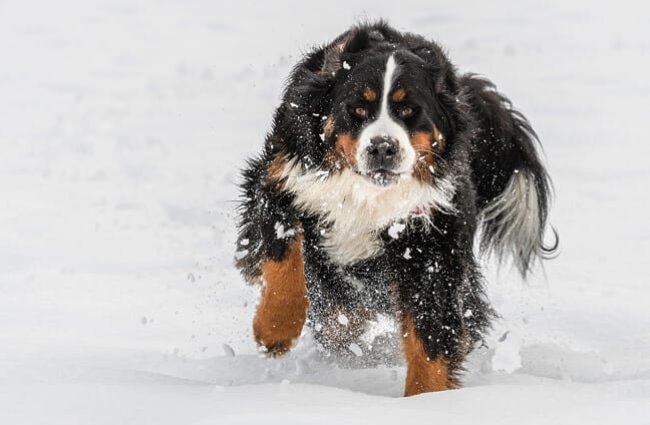
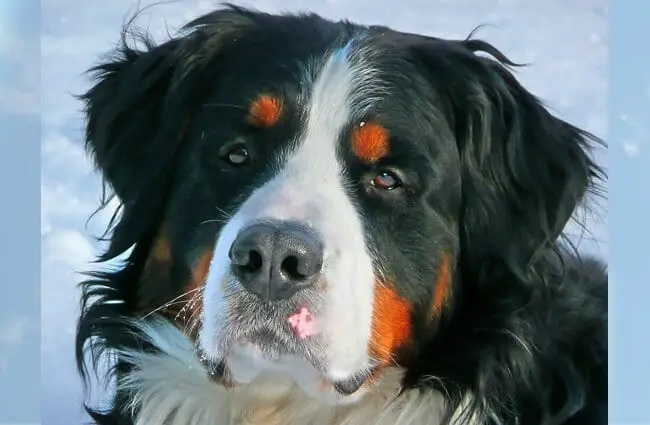
The Bernese Mountain Dog is a large, powerfully built breed. Males typically stand 25 to 27.5 inches tall at the shoulder and weigh between 80 and 115 pounds. Females are slightly smaller, measuring 23 to 26 inches tall and weighing 70 to 95 pounds. Their striking tri-colored coat is a hallmark of the breed, featuring a jet black base, rust markings on the cheeks, legs, and paws, and a white blaze and white markings on the chest.
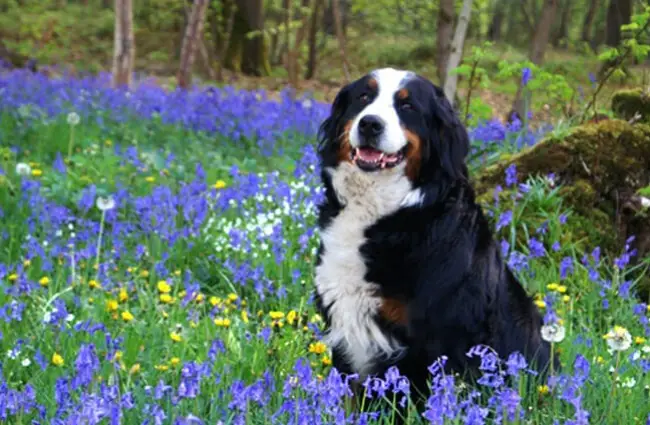
The coat itself is thick and double-layered, providing excellent insulation against cold weather. While the breed adapts well to warmer climates with proper care, it’s naturally suited for colder regions. Regular grooming is essential to manage shedding and prevent matting.
Temperament and Behavior
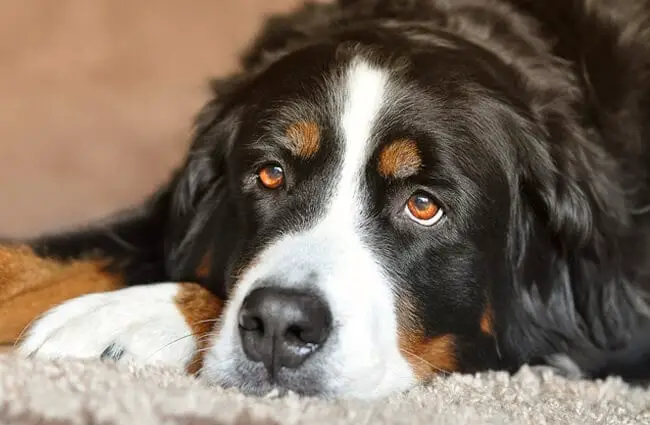
Bernese Mountain Dogs are renowned for their gentle, affectionate, and good-natured temperaments. They are remarkably patient and tolerant, making them excellent companions for children. Their loyalty to their families is unwavering, and they thrive on human interaction.
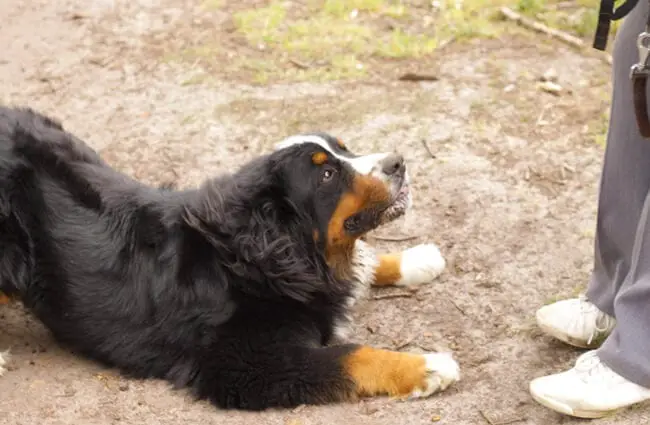
Despite their size, Bernese Mountain Dogs are not typically aggressive. However, their protective instincts may kick in if they perceive a threat to their family or territory. Early socialization and training are crucial to ensure they develop into well-adjusted and confident adults. They are intelligent dogs but can be somewhat independent, requiring consistent and positive reinforcement training methods.
Care and Maintenance
Owning a Bernese Mountain Dog is a rewarding experience, but it also comes with responsibilities. Here’s a breakdown of essential care requirements:
Exercise
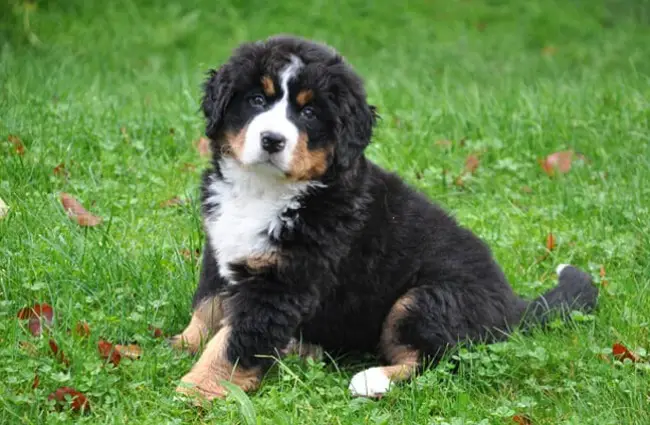
Bernese Mountain Dogs require moderate exercise to stay healthy and happy. Daily walks, playtime in a fenced yard, and occasional hikes are ideal. It is important to avoid strenuous exercise during puppyhood to protect their developing joints.
Grooming
Their thick coat requires regular brushing, ideally several times a week, to remove loose hair and prevent matting. During shedding season, daily brushing may be necessary. Regular nail trimming, ear cleaning, and dental care are also essential.
Diet
A high-quality dog food formulated for large breeds is crucial. Monitoring food intake and preventing overfeeding are essential, as Bernese Mountain Dogs can be prone to weight gain. Large or giant breed puppy food is important for proper growth and bone development.
Health Considerations
Like all breeds, Bernese Mountain Dogs are predisposed to certain health conditions. These include:
- Hip and Elbow Dysplasia: A common skeletal condition that can lead to arthritis. Responsible breeders screen their dogs for this condition.
- Progressive Retinal Atrophy (PRA): A degenerative eye disease that can cause blindness.
- Von Willebrand’s Disease: A blood clotting disorder.
- Gastric Dilatation-Volvulus (GDV or Bloat): A life-threatening condition where the stomach fills with gas and twists.
- Cancer: Bernese Mountain Dogs have a relatively short lifespan and are prone to certain types of cancer.
Regular veterinary checkups and early detection are crucial for managing these potential health issues.
Is a Bernese Mountain Dog Right For You?
Bernese Mountain Dogs are wonderful companions, but they aren’t the right fit for everyone. Consider the following:
- Space: These large dogs need ample space to move around comfortably.
- Time: They require regular exercise, grooming, and training.
- Commitment: Bernese Mountain Dogs have a relatively short lifespan (7-10 years), so be prepared for a potentially heartbreaking loss.
- Cost: Owning a large breed dog can be expensive, considering food, veterinary care, and grooming costs.
Advanced Considerations
For those deeply invested in understanding the Bernese Mountain Dog, several nuanced aspects deserve attention. Genetic diversity within the breed is a growing concern. While registries maintain breed standards, a narrowing gene pool can exacerbate the prevalence of inherited health problems. Reputable breeders are increasingly employing genetic testing and thoughtful breeding practices to address this issue.
The breed’s sensitivity to heat is also noteworthy. Their thick coat makes them susceptible to overheating, especially in humid climates. Providing ample shade, access to cool water, and limiting strenuous activity during hot weather are essential preventative measures. Furthermore, early neurological assessments can help identify potential predisposition to degenerative myelopathy, a progressive spinal cord disease.
A Final Thought
The Bernese Mountain Dog embodies the qualities of a true companion: loyalty, affection, and unwavering devotion. While their needs are considerable, the rewards of owning one of these gentle giants are immeasurable. Thorough research, responsible breeding, and a commitment to providing a loving and enriching environment will ensure a happy and fulfilling life for both you and your Berner.

![Closeup of a beautiful Red Angus cowPhoto by: U.S. Department of Agriculture [pubic domain]https://creativecommons.org/licenses/by/2.0/](https://animals.net/wp-content/uploads/2020/03/Red-Angus-4-100x75.jpg "Red Angus")