Deep in the heart of Hungary, a magnificent white sentinel has stood guard for centuries, its watchful eyes scanning the horizon, its powerful presence a deterrent to any threat. This is the Kuvasz, a breed steeped in history, loyalty, and an unwavering protective instinct. Far more than just a large dog, the Kuvasz embodies a living legacy, a testament to the enduring bond between humans and their canine companions in the challenging world of livestock protection.
For those captivated by the majesty of canids, whether a student embarking on a research paper, an aspiring zoologist eager for knowledge, or simply an animal lover seeking to understand these incredible creatures, the Kuvasz offers a rich tapestry of insights into canine evolution, behavior, and cultural impact. Let us delve into the world of this ancient guardian, uncovering its secrets and appreciating its unique place in both natural and human history.
The Majestic Kuvasz: An Overview
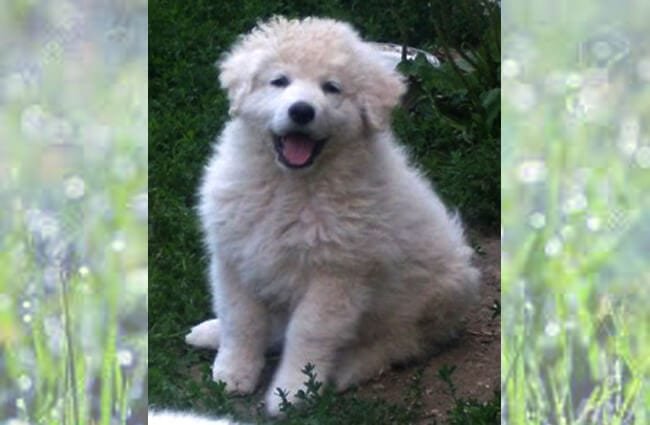
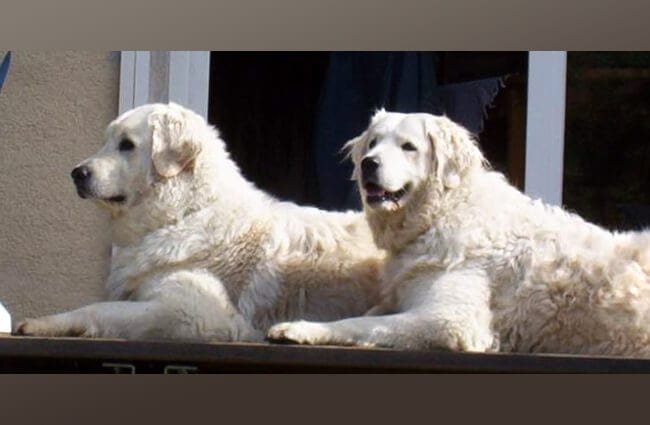
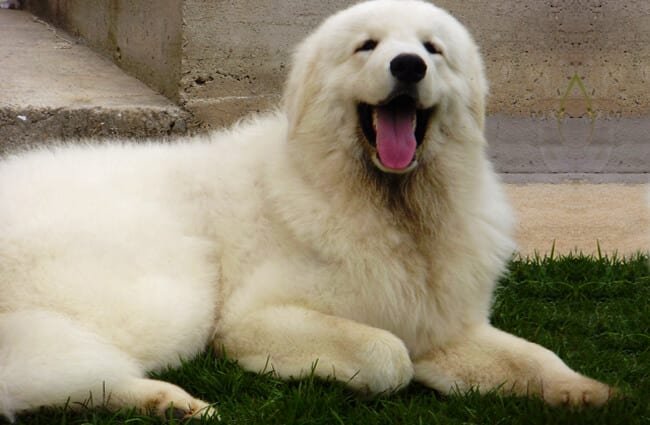
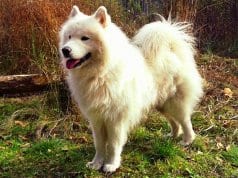
The Kuvasz is instantly recognizable by its striking appearance: a large, powerfully built dog draped in a thick, often wavy, pure white coat. This isn’t merely for aesthetics; the white coat served a crucial purpose in its historical role, allowing it to blend seamlessly with the sheep it guarded, making it difficult for predators to distinguish between flock and protector, especially at night.
Physical Characteristics
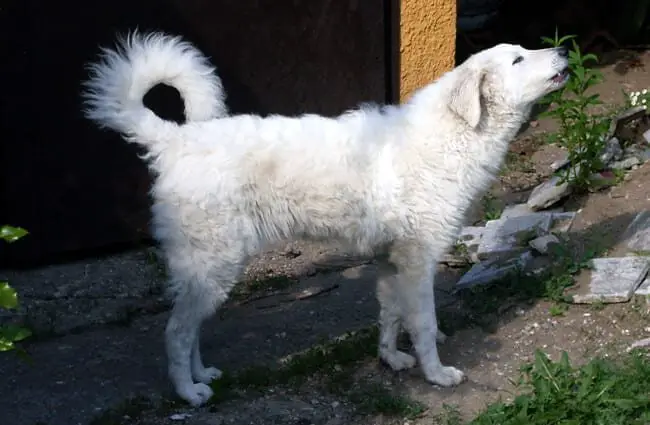
Adult Kuvasz are substantial animals. Males typically stand between 28 to 30 inches (71-76 cm) at the shoulder and weigh 100 to 115 pounds (45-52 kg), while females are slightly smaller, ranging from 26 to 28 inches (66-71 cm) and 70 to 90 pounds (32-41 kg). Beneath that impressive coat lies a robust, muscular physique built for endurance and strength. Their heads are noble, with almond-shaped, intelligent eyes that convey a sense of alertness and wisdom. The double coat consists of a soft, dense undercoat and a medium-length, coarse outer coat, providing excellent insulation against harsh weather conditions.
Temperament and Personality
The Kuvasz possesses a complex and fascinating temperament. At its core, it is a loyal, courageous, and highly intelligent guardian. These dogs form deep bonds with their families, displaying an unwavering devotion and a strong protective instinct. They are naturally wary of strangers, a trait honed over centuries of guarding livestock against unknown threats. This wariness, combined with their size and strength, necessitates early and consistent socialization to ensure they develop into well-adjusted companions.
Kuvasz are known for their independent nature. They were bred to think for themselves and make decisions in the absence of human direction while guarding flocks. This independence means they are not always eager to please in the way some other breeds might be, requiring a patient, firm, and consistent approach to training. They thrive on having a job to do, even if that “job” is simply patrolling their family’s property. Without adequate mental and physical stimulation, they can become bored and potentially destructive.
Historical Roots and Evolution
The history of the Kuvasz stretches back millennia, making it one of the most ancient dog breeds. Its lineage can be traced to the large, mastiff-type dogs that accompanied the Magyar tribes as they migrated from Asia into the Carpathian Basin, modern-day Hungary, over a thousand years ago. These dogs were invaluable assets, protecting the Magyars’ herds of sheep and cattle from formidable predators like wolves and bears, as well as human rustlers.
Initially, the Kuvasz was exclusively owned by nobility and royalty, particularly during the 15th century reign of King Matthias Corvinus, who reportedly kept several Kuvasz for personal protection and hunting. It was considered a mark of prestige to own these magnificent dogs. Over time, as the need for livestock protection grew, the breed became more accessible to common shepherds, solidifying its role as the quintessential Hungarian guardian dog. The name “Kuvasz” itself is believed to derive from the Sumerian word “kawaš,” meaning “dog of the Kassites,” or the Turkish word “kuwasz,” meaning “protector,” both hinting at its ancient origins and purpose.
Life of a Kuvasz: From Pastures to Patios
Understanding the natural behaviors and needs of the Kuvasz requires looking at its historical context. While many Kuvasz today live as cherished family companions, their instincts remain deeply rooted in their past as working guardians.
Habitat and Environment
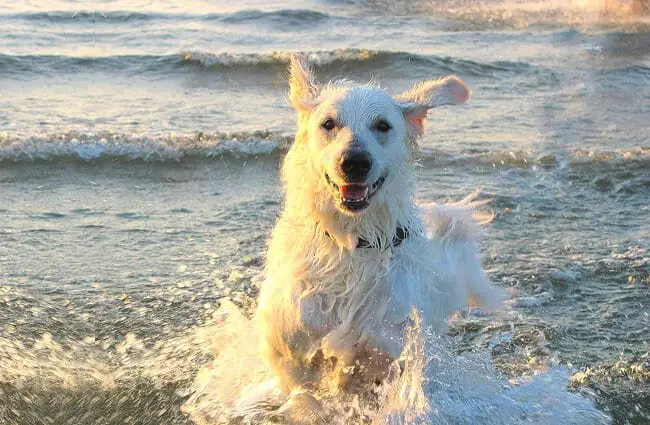
Historically, the Kuvasz’s primary habitat was the vast, open plains and mountainous regions of Hungary, where it roamed freely with its flock. These environments demanded a dog capable of enduring harsh weather, navigating varied terrain, and maintaining vigilance over large areas. They needed space to patrol and a clear view of their charges and potential threats.
In contemporary settings, a Kuvasz thrives in environments that offer ample space. A large, securely fenced yard is ideal, allowing them to fulfill their natural patrolling instincts. They are not suited for apartment living or small urban spaces. While they can adapt to suburban or rural homes, their need for mental stimulation and physical exercise remains paramount. They appreciate a consistent routine and a designated “territory” to oversee.
Dietary Needs
Like all domestic dogs, the Kuvasz is an omnivore, though its digestive system is optimized for a diet rich in animal protein. As a large, active breed, Kuvasz require a high-quality diet formulated for large or giant breeds, particularly during their rapid growth phase as puppies. This helps support healthy bone and joint development, preventing issues common in large breeds.
A balanced diet typically consists of commercial dog food with meat as the primary ingredient, supplemented with appropriate fats, carbohydrates, vitamins, and minerals. Portion control is essential to prevent obesity, which can exacerbate joint problems. Fresh water should always be available. For working Kuvasz, or those with high activity levels, dietary needs may be adjusted to provide additional calories and nutrients.
Mating and Reproduction
The reproductive cycle of the Kuvasz follows the typical canine pattern. Females generally reach sexual maturity between 6 to 12 months of age, experiencing estrus (heat) approximately twice a year. Responsible breeding practices are crucial for the health and preservation of the breed. This involves health screenings for genetic conditions common in large breeds, such as hip and elbow dysplasia, and careful consideration of temperament to ensure sound offspring.
Gestation lasts approximately 63 days, resulting in a litter size that can vary but typically ranges from 6 to 10 puppies. Raising Kuvasz puppies requires significant commitment, as early socialization and training are vital for their development into well-adjusted adults. Breeders play a critical role in providing a strong foundation for these intelligent and powerful dogs.
Kuvasz in the World: Interactions and Contributions
The Kuvasz’s existence is deeply intertwined with both the natural world and human society, albeit in a domesticated capacity. Its contributions are primarily through its role as a working animal and companion.
Role in the Ecosystem and Interaction with Other Animals
It is important to clarify that the Kuvasz is a domesticated dog, not a wild animal that naturally contributes to a wild ecosystem in the same way a wolf or fox would. However, as a livestock guardian dog, its presence on farms and ranches has a significant, albeit indirect, impact on local ecosystems. By effectively deterring predators such as coyotes, wolves, and bears from livestock, Kuvasz help reduce the need for lethal predator control methods. This can contribute to maintaining a more balanced predator-prey dynamic in agricultural areas, allowing native predator populations to persist without undue conflict with human interests.
Kuvasz interact primarily with their flock, often forming strong bonds with the animals they protect. They are known to be gentle with their charges, yet fiercely protective against threats. Their interactions with other domestic animals are generally positive if properly socialized, but their protective instincts can extend to any animal they perceive as “theirs,” including other family pets.
Interaction with Humans
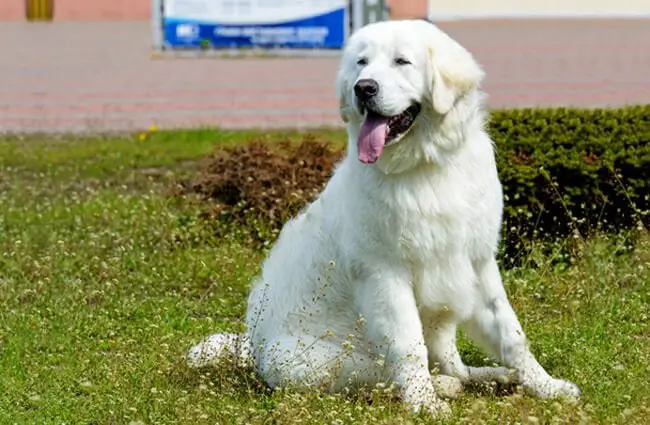
The relationship between Kuvasz and humans is one of profound loyalty and mutual respect. For their chosen family, Kuvasz are deeply affectionate and devoted, often displaying a gentle side that belies their formidable appearance. They are excellent with children within their own family, often acting as patient and watchful protectors. However, their natural wariness of strangers means that introductions to new people must be managed carefully and respectfully.
Training a Kuvasz requires an understanding of its independent nature. They respond best to positive reinforcement, consistency, and a handler who earns their respect. Harsh methods are counterproductive and can damage the bond. Their intelligence means they learn quickly, but their independent streak means they may choose to obey only if they see the point. This makes them unsuitable for inexperienced dog owners who may not understand the nuances of working with a guardian breed.
Cultural Significance
The Kuvasz holds a special place in Hungarian culture, symbolizing strength, loyalty, and the nation’s pastoral heritage. It is considered a national treasure, a living link to Hungary’s ancient past. The breed faced near extinction after World War II, with numbers dwindling dramatically. Dedicated breeders worked tirelessly to revive the breed, ensuring its survival for future generations. This resilience further cemented its status as a symbol of enduring spirit.
Beyond Hungary, the Kuvasz has gained recognition as a formidable and noble companion, admired for its protective qualities and striking beauty. It represents a living example of how selective breeding over centuries can hone specific traits to serve human needs, creating a specialized and highly effective working animal.
Encountering a Kuvasz: Guidance for Different Scenarios
Given the Kuvasz’s unique history and temperament, understanding how to interact with them, whether in a domestic setting or what might seem like “the wild,” is crucial.
For the Aspiring Zoologist and Animal Lover
For those hoping to observe a Kuvasz “in the wild,” it is vital to understand that the Kuvasz is a domesticated dog breed. It does not exist as a wild species in its own natural habitat like a wolf or a bear. Therefore, you will not find a Kuvasz roaming truly wild, establishing territories, or hunting for survival independently of humans. Any Kuvasz encountered outside of a controlled environment is either a working dog on a farm, an escaped pet, or a stray.
To learn more about Kuvasz, aspiring zoologists and animal lovers should focus on:
- Reputable Breeders: Visiting a responsible breeder can offer insights into the breed’s characteristics, care, and temperament in a controlled setting.
- Dog Shows and Events: Observing Kuvasz at dog shows provides an opportunity to see well-socialized examples of the breed and speak with owners and handlers.
- Working Farms: In areas where livestock guardian dogs are used, it might be possible to observe Kuvasz performing their traditional role, always with permission and under supervision from the farm owner.
- Rescue Organizations: Volunteering with or supporting Kuvasz rescue groups can provide hands-on experience and a deeper understanding of the breed’s needs and challenges.
For the Hiker in the Wild
If a hiker encounters a Kuvasz in what appears to be a “wild” setting, it is most likely a working livestock guardian dog or a stray. Here’s what to do:
- Maintain Distance: Do not approach the dog. Livestock guardian dogs are bred to be wary of strangers and to protect their flock. Approaching them, especially if they are with livestock, can be perceived as a threat.
- Observe Behavior: A working Kuvasz might bark to warn you away. This is its job. Respect the warning.
- Do Not Run: Running can trigger a chase instinct. Instead, move calmly and slowly away from the dog and any livestock it is guarding.
- Avoid Eye Contact: Direct eye contact can be interpreted as a challenge.
- Do Not Offer Food: Feeding a working dog can distract it from its duties and encourage it to approach strangers, which is undesirable for a guardian.
- Report Strays: If you encounter a Kuvasz that appears to be lost, injured, or truly abandoned, contact local animal control or a rescue organization. Do not attempt to capture it yourself, as a frightened or injured large dog can be dangerous.
For the Zookeeper: Caring for a Captive Kuvasz
Caring for a Kuvasz in a captive environment, such as a zoo (though rare for a domestic breed unless part of a specific exhibit on working dogs), requires a comprehensive approach tailored to its breed-specific needs:
- Enclosure Design: A large, secure enclosure with ample space for patrolling and exercise is essential. It should include shaded areas, shelter from the elements, and varied terrain to stimulate natural behaviors. Fencing must be robust and tall, as Kuvasz are strong and can be escape artists if bored.
- Diet: Provide a high-quality, large-breed appropriate diet, carefully monitored for portion size to maintain a healthy weight. Consult with a veterinary nutritionist for specific dietary plans.
- Exercise and Enrichment: Daily, vigorous exercise is crucial. This can include long walks, supervised off-leash time in a secure area, or engaging in scent work and puzzle toys. Enrichment should focus on mental stimulation, mimicking their historical role. This could involve “guarding” specific objects within their enclosure or engaging in training sessions that challenge their intelligence.
- Socialization and Handling: While Kuvasz are wary of strangers, a zookeeper will need to establish a strong, trusting bond. Consistent, positive reinforcement training from an early age is vital. Limit the number of primary handlers to foster a strong bond and minimize stress.
- Health Monitoring: Regular veterinary check-ups are paramount, including screenings for hip and elbow dysplasia, bloat prevention, and thyroid issues common in the breed. Maintain a consistent vaccination and parasite control schedule.
- Grooming: Their thick double coat requires regular brushing, especially during shedding seasons, to prevent matting and maintain skin health. Occasional baths are necessary.
- Avoidance:
- Avoid isolating the Kuvasz, as they thrive on interaction with their chosen “flock” (their human caregivers).
- Avoid harsh training methods or punishment, which can lead to fear or aggression in this sensitive breed.
- Avoid under-stimulating them, as boredom can lead to destructive behaviors or anxiety.
- Avoid allowing unsupervised access to strangers, respecting their natural protective instincts.
Fascinating Facts About the Kuvasz
- Ancient Lineage: The Kuvasz is one of the oldest dog breeds, with roots tracing back over a thousand years to the Magyar tribes.
- Royal Guard: During the 15th century, King Matthias Corvinus of Hungary was so fond of the breed that he reportedly trusted his Kuvasz more than his human guards.
- Near Extinction: The breed suffered immense losses during World War II, with many dogs killed by invading forces who perceived them as a threat. Dedicated efforts saved them from disappearing entirely.
- White Coat Purpose: Their distinctive white coat helped them blend in with the sheep they guarded, making them less conspicuous to predators and easier for shepherds to distinguish from wolves at night.
- Independent Thinkers: Kuvasz were bred to make decisions on their own while guarding flocks, often far from human supervision. This contributes to their independent and sometimes stubborn nature.
- Voice of the Past: They are known for their deep, resonant bark, a powerful deterrent that has echoed across Hungarian pastures for centuries.
- Not for Everyone: Due to their size, strength, and independent, protective temperament, Kuvasz are often recommended for experienced dog owners who understand the nuances of working with a guardian breed.
Conclusion
The Kuvasz stands as a magnificent testament to the power of selective breeding and the enduring partnership between humans and dogs. From the ancient pastures of Hungary to modern homes, this noble guardian continues to inspire awe with its striking appearance, unwavering loyalty, and profound intelligence. Understanding the Kuvasz means appreciating its deep historical roots, respecting its inherent instincts, and recognizing the commitment required to live with such a powerful and independent spirit.
Whether you are a student researching its evolution, a zoologist studying canine behavior, or simply an admirer of its majestic presence, the Kuvasz offers a captivating journey into the heart of a truly remarkable breed. Its story is one of survival, dedication, and the timeless role of a protector, reminding us of the incredible diversity and depth within the canine world.
![Closeup of a beautiful Red Angus cowPhoto by: U.S. Department of Agriculture [pubic domain]https://creativecommons.org/licenses/by/2.0/](https://animals.net/wp-content/uploads/2020/03/Red-Angus-4-100x75.jpg "Red Angus")