The German Shorthaired Pointer, often simply called a GSP, is a breed steeped in history and brimming with energy. Originating from Germany in the 19th century, this versatile dog was meticulously developed as an all purpose hunting companion. Breeders sought a pointer that could reliably locate and retrieve game both on land and in water, and the GSP fulfilled this need with remarkable efficiency.

Breed Overview
Size and Physical Characteristics
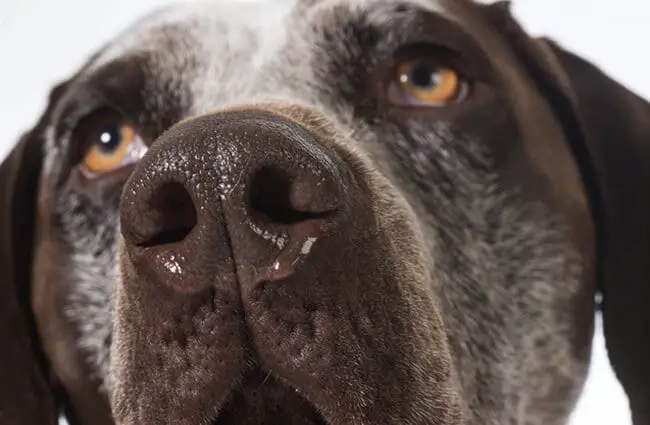
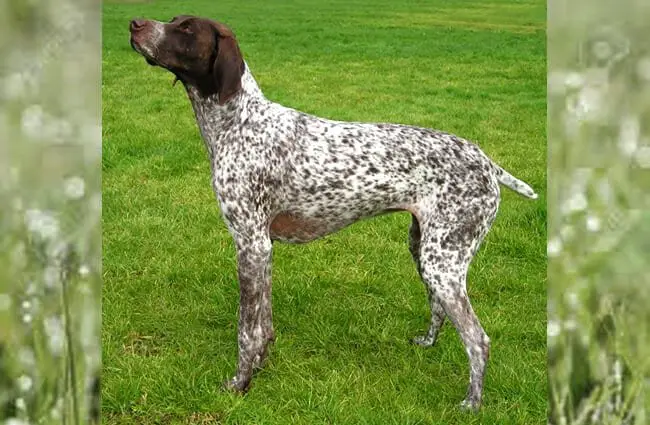
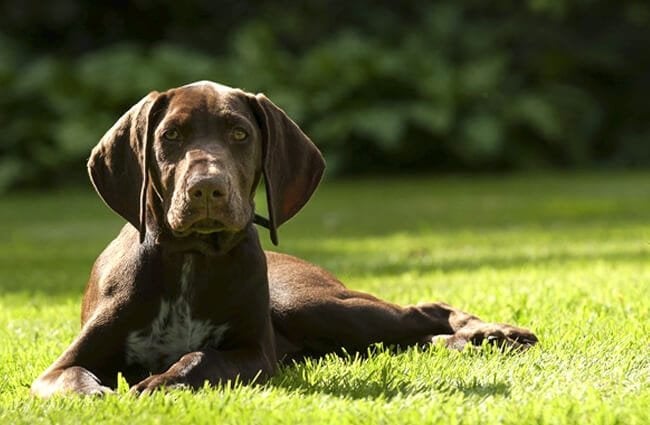
German Shorthaired Pointers are medium to large sized dogs. Males typically stand between 23 and 25 inches tall at the shoulder and weigh 55 to 70 pounds. Females are slightly smaller, measuring 21 to 23 inches and weighing 45 to 60 pounds. Their build is athletic and streamlined, reflecting their purpose as active hunters. A characteristic feature is their solid liver or liver white coat, often with ticked or roaned markings. The coat is short, dense, and water‑repellent.
Temperament and Personality
GSPs are known for their intelligence, eagerness to please, and boundless energy. They form strong bonds with their families and are generally good with children, especially when raised alongside them. However, their high energy levels necessitate consistent training and ample exercise. Without sufficient mental and physical stimulation, they can become destructive or exhibit undesirable behaviors. They are inherently affectionate and enjoy being involved in family activities.
Caring for Your German Shorthaired Pointer
Exercise Requirements
This breed is not suited for a sedentary lifestyle. GSPs require at least one to two hours of vigorous exercise daily. This can include running, hiking, swimming, fetching, or participating in canine sports such as agility or flyball. Early exposure to various terrains and activities is beneficial. A bored GSP becomes mischievous, so providing plenty of outlets for their energy is crucial.
Training and Socialization
GSPs are highly trainable due to their intelligence and eagerness to please. Positive reinforcement methods work best. Start socialization early, exposing the puppy to a variety of people, dogs, and environments. Obedience training is essential for establishing good manners and ensuring a well-behaved companion. They excel in scent work, retrieving, and other hunting-related activities. Consistent training helps channel their energy constructively.
Grooming
The short coat of a GSP requires minimal grooming. Weekly brushing removes loose hair and keeps the coat healthy. Regular nail trims, ear cleaning, and dental care are also important. GSPs are moderate shedders, with increased shedding during seasonal changes. Bathing is only necessary when the dog is visibly dirty.
Health Considerations
While generally a healthy breed, GSPs can be prone to certain conditions such as hip dysplasia, elbow dysplasia, gastric dilatation‑volvulus (bloat), and some types of cancer. Responsible breeders screen their stock for these issues to reduce the risk of passing them on to puppies. Regular veterinary checkups and a balanced diet help maintain overall health.
Delving Deeper into the GSP
The Hunting Instinct
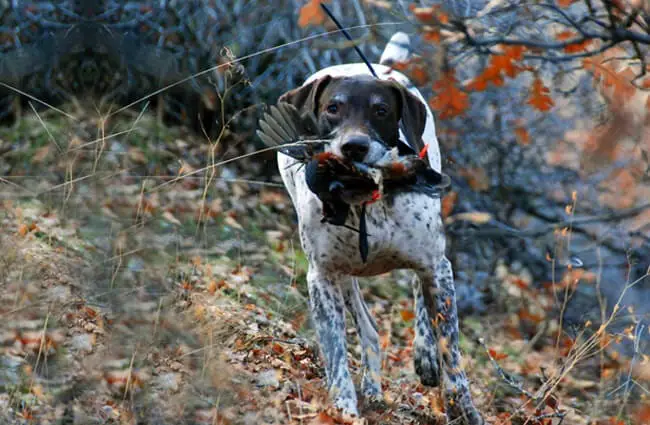
The GSP’s strong hunting instinct remains a defining characteristic. They naturally point, set, and retrieve game. This instinct can appear as chasing squirrels or birds, or a keen desire to investigate scents. Offering scent work or retrieving games satisfies this instinct in a controlled way.
Unique “Pointing” Style
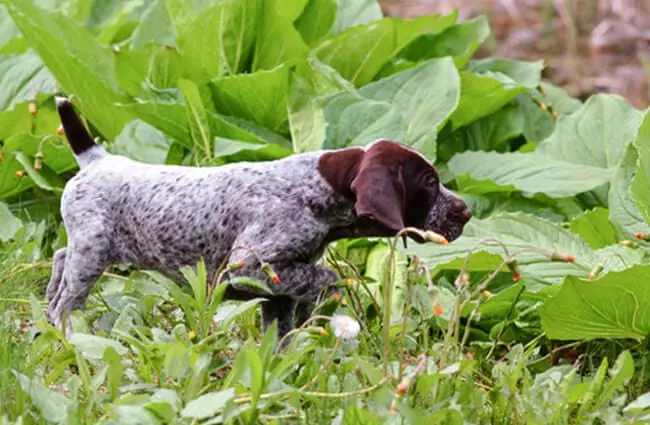
GSPs often display a unique pointing style marked by a low, sweeping motion and intense focus on the game. This style results from selective breeding for efficient hunting across diverse terrains. The pointing serves as a visual cue to the hunter, indicating the game’s location.
Suitability for Different Lifestyles
GSPs thrive in active households where they receive plenty of exercise and mental stimulation. They may not be the best choice for apartment living or for owners who cannot commit to providing sufficient physical activity. With proper training and management, they can adapt to various living situations.
Understanding the “Velcro Dog” Tendency
Many GSP owners describe their dogs as “Velcro dogs” because they love being close to their families. This affectionate tendency is endearing but can lead to separation anxiety if left alone for long periods. Providing interactive toys and gradually acclimating them to being alone helps alleviate this issue.
The German Shorthaired Pointer is a remarkable breed that combines intelligence, athleticism, and affection. For active individuals or families willing to meet their needs, a GSP can be a loyal, energetic, and rewarding companion. Understanding their history, temperament, and care requirements is essential for building a harmonious relationship with this extraordinary breed.

![Closeup of a beautiful Red Angus cowPhoto by: U.S. Department of Agriculture [pubic domain]https://creativecommons.org/licenses/by/2.0/](https://animals.net/wp-content/uploads/2020/03/Red-Angus-4-100x75.jpg "Red Angus")