
In the vast tapestry of Earth’s wildlife, some creatures stand out not just for their beauty, but for their sheer uniqueness and ancient lineage. Among these fascinating animals is the tapir, a living relic that roams the tropical forests of the world. With its distinctive, flexible snout and shy demeanor, the tapir is a marvel of evolution, playing a crucial role in its ecosystem while often remaining a mystery to many.
Often described as a blend of a pig, a rhinoceros, and an anteater, the tapir is in fact a perissodactyl, a group of odd-toed ungulates that also includes horses and rhinoceroses. These gentle giants are more than just an oddity; they are vital seed dispersers, forest architects, and indicators of ecosystem health. Delving into the world of tapirs reveals a creature of surprising complexity and profound ecological importance.
The Enigmatic Tapir: An Introduction
Tapirs are large, herbivorous mammals characterized by their short, prehensile snouts, which are extensions of their nose and upper lip. This unique proboscis is incredibly versatile, used for grasping leaves and fruits, sniffing out food, and even as a snorkel when submerged in water. Their bodies are stout and barrel-shaped, perfectly adapted for pushing through dense undergrowth, while their strong legs end in hooves: four toes on the front feet and three on the hind feet.
These fascinating animals are primarily nocturnal or crepuscular, meaning they are most active during the twilight hours of dawn and dusk. They are generally solitary creatures, preferring to roam their territories alone, though mothers will stay with their young for an extended period. Despite their size, tapirs are remarkably agile and possess an excellent sense of smell and hearing, compensating for their relatively poor eyesight.
Where Do Tapirs Live? A Global Tour of Their Habitats
The tapir’s geographical distribution is a tale of two continents, with a surprising twist. There are four recognized species of tapirs, each inhabiting distinct regions:
- Baird’s Tapir (Tapirus bairdii): Found in Central America, from southern Mexico through Central America to northwestern South America. It thrives in tropical rainforests, cloud forests, and even dry deciduous forests, always near a water source.
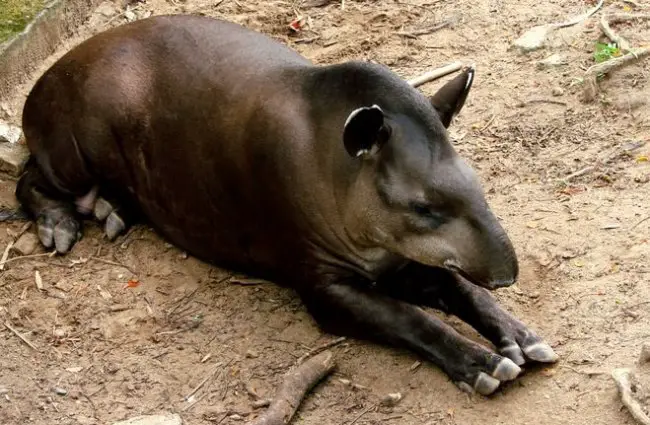
- Lowland Tapir (Tapirus terrestris): The most widespread species, inhabiting a vast range across South America, including the Amazon rainforest, Cerrado savannas, and Pantanal wetlands. They are highly adaptable to various forest types and grasslands, as long as water is accessible.
- Mountain Tapir (Tapirus pinchaque): The only tapir species found outside of tropical lowlands, this elusive animal lives in the high-altitude cloud forests and páramos of the Andes Mountains in Colombia, Ecuador, and northern Peru. Its thick, woolly coat is an adaptation to the colder climate.
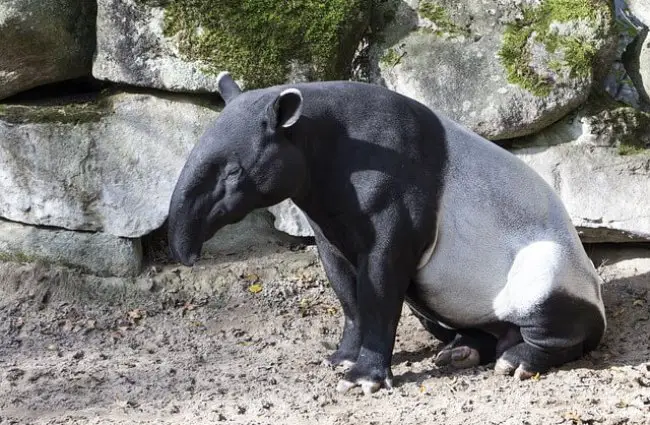
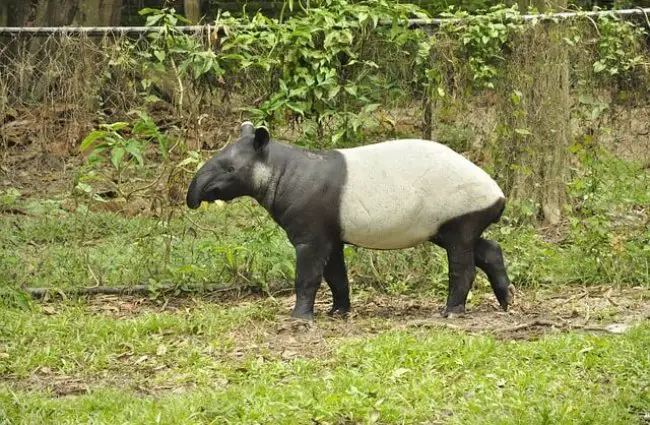
- Malayan Tapir (Tapirus indicus): The only Old World tapir, found in Southeast Asia, specifically in parts of Thailand, Malaysia, and Sumatra. It prefers dense tropical rainforests and swamp forests.
All tapir species share a common requirement: proximity to water. They are excellent swimmers and often seek refuge from predators or heat by submerging themselves in rivers, lakes, and ponds. Their habitats are characterized by dense vegetation, providing ample food and cover.
What’s on the Menu? The Tapir’s Herbivorous Diet
Tapirs are strict herbivores, primarily browsing on a wide variety of plant material. Their diet is incredibly diverse, reflecting their role as generalist feeders within their ecosystems. Using their prehensile snout, they expertly strip leaves from branches, pluck fruits, and pull up aquatic vegetation. A typical tapir diet includes:
- Leaves and Twigs: They consume foliage from numerous plant species, including young shoots and tender branches.
- Fruits and Berries: A significant portion of their diet, especially when available. Tapirs are crucial seed dispersers, as many seeds pass undigested through their digestive system, germinating in new locations.
- Aquatic Plants: They frequently feed on water hyacinths, reeds, and other vegetation found in and around water bodies.
- Grasses: While primarily browsers, they will also graze on grasses, particularly in more open habitats.
Their powerful jaws and strong teeth are well-suited for grinding tough plant fibers. The sheer volume of plant material they consume makes them significant contributors to forest regeneration and plant diversity.
Delving Deeper: Tapir Biology and Ecology
The Tapir Family Tree: Evolution Through the Ages
The evolutionary history of tapirs is a long and fascinating journey, stretching back millions of years. Tapirs belong to the order Perissodactyla, which means “odd-toed ungulates.” This order also includes horses, zebras, and rhinoceroses. The tapir lineage is incredibly ancient, with fossil records indicating their presence as far back as the Eocene epoch, approximately 50 million years ago. Early tapir ancestors were much smaller and more widespread, inhabiting North America, Europe, and Asia.
Over millennia, tapirs evolved their distinctive proboscis, a feature that has remained largely unchanged for millions of years, highlighting its evolutionary success. The separation of the Malayan tapir from its New World relatives occurred tens of millions of years ago, likely due to continental drift and subsequent isolation. This ancient lineage makes tapirs “living fossils,” providing a window into the past and demonstrating remarkable evolutionary stability.
Mating and Reproduction: The Cycle of Life
Tapirs are generally solitary, but they come together for mating. The reproductive process is characterized by a long gestation period and the birth of a single, uniquely patterned calf.
- Mating Rituals: Courtship often involves a period of chasing and vocalizations. Mating typically occurs in water, which may help support the animals’ weight.
- Gestation: After a gestation period of approximately 13 months (390-400 days), the female gives birth. This is one of the longest gestation periods among non-elephant land mammals.
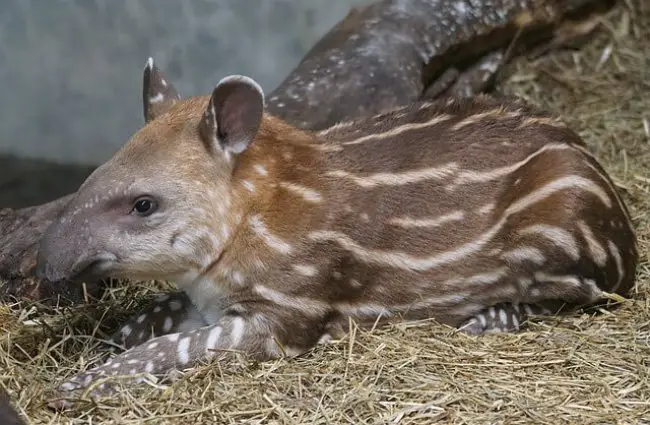
- The Calf: A single calf is usually born, weighing between 10 to 20 pounds. Tapir calves are instantly recognizable by their striking camouflage pattern of spots and stripes, which helps them blend into the dappled light of the forest floor. This pattern fades as they mature, typically disappearing by 6 to 8 months of age.
- Parental Care: The mother provides extensive care, nursing the calf for several months and protecting it from predators. Calves stay with their mothers for 1 to 2 years, learning essential survival skills before venturing out on their own.
- Sexual Maturity: Tapirs reach sexual maturity between 3 and 5 years of age. Their lifespan in the wild can range from 25 to 30 years.
Ecosystem Engineers: Tapirs’ Contribution to the Environment
Tapirs are often referred to as “gardeners of the forest” or “ecosystem engineers” due to their profound impact on their habitats. Their activities are crucial for maintaining healthy and diverse ecosystems:
- Seed Dispersal: As they consume vast quantities of fruits, tapirs ingest seeds. Many of these seeds pass through their digestive tracts unharmed and are then deposited in new locations through their droppings. This process is vital for the regeneration of forests and the spread of plant species, especially those with large seeds that few other animals can disperse.
- Forest Regeneration: By dispersing seeds, tapirs help to establish new plant growth, contributing to the overall health and structure of the forest. They create “seed shadows” that influence the distribution of tree species.
- Trail Blazing: Their large bodies create pathways through dense vegetation, which can be used by other smaller animals.
- Nutrient Cycling: Their droppings return nutrients to the soil, fertilizing the forest floor.
Interactions with Other Animals
Tapirs are generally peaceful animals, but they are not without their predators. In the New World, jaguars and pumas are the primary threats to adult tapirs, while anacondas may prey on calves. In Asia, tigers are the main predator of the Malayan tapir. Despite these threats, tapirs possess several defense mechanisms:
- Flight: Their first instinct is usually to flee into dense vegetation or water.
- Water Refuge: Submerging themselves in water, with only their proboscis exposed, is an effective way to hide from predators.
- Powerful Bite: If cornered, a tapir can deliver a powerful bite, though this is rare.
They coexist with a myriad of other species, from monkeys and birds to peccaries and capybaras, each playing their part in the intricate web of the rainforest or mountain ecosystem.
Tapirs and Humanity: Culture, Conservation, and Coexistence
Tapirs in Human Culture and Folklore
Despite their shy nature, tapirs have made their way into the folklore and cultural narratives of indigenous communities across their range. In some South American cultures, the tapir is revered as a powerful forest spirit or a symbol of strength and resilience. Its unique appearance has also led to various myths and legends, often explaining its distinctive snout or its role in shaping the landscape. For example, some stories depict the tapir as a creator figure or a guide through the spirit world. Their image can be found in ancient pottery, textiles, and oral traditions, reflecting a deep historical connection between humans and these animals.
The Plight of the Tapir: Conservation Challenges
Sadly, all four species of tapirs are listed as endangered or vulnerable by the IUCN. The primary threats to their survival are largely anthropogenic:
- Habitat Loss and Fragmentation: Deforestation for agriculture (cattle ranching, palm oil plantations), logging, and infrastructure development are rapidly destroying and fragmenting tapir habitats. This isolates populations, making them more vulnerable.
- Hunting: Tapirs are hunted for their meat and hides in many regions, despite legal protections.
- Road Accidents: As their habitats shrink and roads cut through their territories, tapirs are increasingly vulnerable to collisions with vehicles.
- Disease: Contact with domestic animals can expose tapirs to diseases to which they have no natural immunity.
Conservation efforts focus on protecting their remaining habitats, establishing wildlife corridors, combating poaching, and raising awareness about their ecological importance. The survival of tapirs is intrinsically linked to the health of the ecosystems they inhabit, making their conservation a critical endeavor for biodiversity.
Encountering a Tapir in the Wild: What to Do
For the avid animal lover or aspiring zoologist hoping to spot a tapir in its natural habitat, patience and respect for wildlife are paramount. Tapirs are shy and elusive, making sightings rare. If you are fortunate enough to encounter one:
- Maintain Distance: Always keep a safe and respectful distance. Do not approach the animal.
- Observe Quietly: Avoid sudden movements or loud noises that could startle it.
- Do Not Feed: Never attempt to feed wild animals. This can alter their natural behavior and make them dependent on humans.
- Respect Their Space: If a tapir seems agitated or begins to move away, allow it to do so without pursuit. While generally docile, a large animal can be dangerous if it feels threatened.
- Stay Calm: In the extremely rare event a tapir charges (often a bluff), remain calm and slowly back away. Do not run, as this might trigger a chase response.
The best way to find a tapir in the wild is to visit protected areas and national parks within their range, ideally with an experienced local guide who understands their behavior and habitat.
Caring for Tapirs in Captivity: A Zookeeper’s Role
Zookeepers play a vital role in tapir conservation, both through breeding programs and public education. Caring for tapirs in a captive environment requires specialized knowledge and dedication:
- Habitat Enrichment: Providing a stimulating environment is crucial. This includes large enclosures with plenty of vegetation, access to pools or water features for swimming and wallowing, and varied substrates. Enrichment items like puzzle feeders, browse, and novel scents help keep them mentally and physically active.
- Dietary Management: A balanced diet mimicking their natural browsing habits is essential. This typically includes high-quality hay, commercial herbivore pellets, and a variety of fresh fruits and vegetables. Monitoring their intake and weight is important to prevent obesity.
- Veterinary Care: Regular health checks, vaccinations, and prompt treatment for any illnesses are critical. Tapirs are susceptible to certain parasites and foot problems
![Closeup of a beautiful Red Angus cowPhoto by: U.S. Department of Agriculture [pubic domain]https://creativecommons.org/licenses/by/2.0/](https://animals.net/wp-content/uploads/2020/03/Red-Angus-4-100x75.jpg "Red Angus")