
A Comprehensive Guide to the English Bulldog
The English Bulldog, a breed instantly recognizable for its stout build and endearing wrinkles, holds a unique place in canine history and continues to capture hearts worldwide. More than just a charming face, the Bulldog possesses a complex history, specific needs, and a surprisingly gentle temperament. This guide delves into all facets of the breed, offering insights for potential owners and enthusiasts alike.
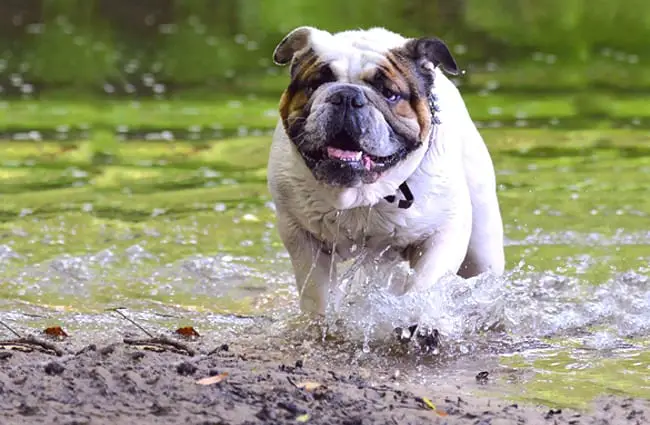
History and Origins
The Bulldog’s story is inseparable from the brutal sport of bull‑baiting that was popular in 17th‑ and 18th‑century England. These early Bulldogs were bred for courage and tenacity, tasked with confronting and immobilizing bulls. When bull‑baiting was outlawed in 1835, the breed faced a sharp decline. Dedicated breeders rescued the type by selecting for a calmer temperament while retaining its distinctive physical traits. The result is the companionable, yet powerful, English Bulldog we know today. The American Kennel Club officially recognized the breed in 1886.
Physical Characteristics
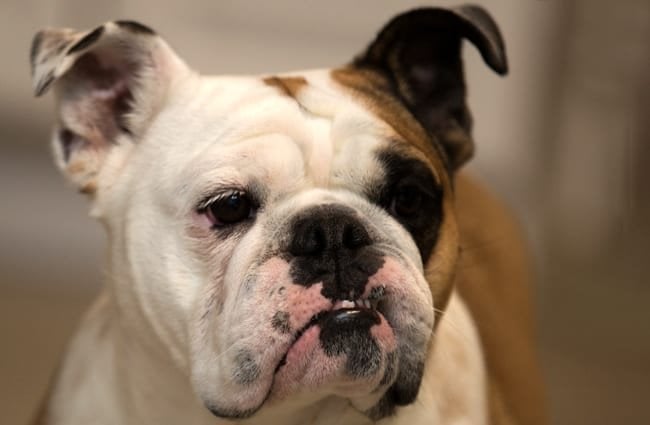
English Bulldogs are a small‑to‑medium sized breed. Males typically weigh between 40 and 55 pounds and stand 15 to 17 inches tall at the shoulder. Females usually weigh 25 to 40 pounds and are 14 to 16 inches tall. The breed’s most striking features are its massive head, short muzzle, and deep wrinkles on the face. A pronounced underbite is common, and their tails are usually short, straight, or curled.
Grooming Needs
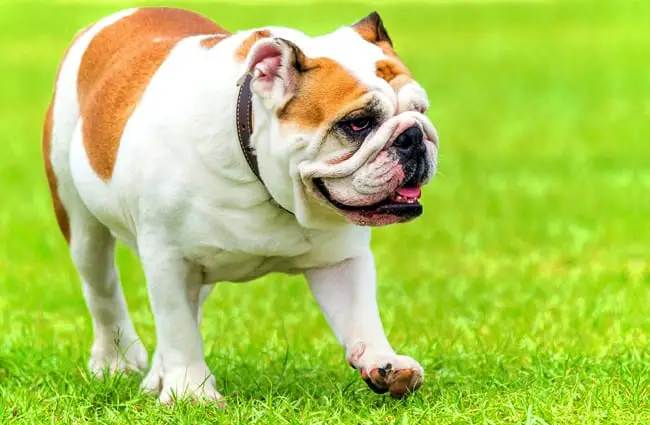
Despite their robust appearance, English Bulldogs are relatively low‑maintenance when it comes to grooming. Their short coat needs only a brief weekly brush to remove loose hair and keep the coat shiny. Particular attention must be paid to the facial wrinkles, which trap moisture and debris. Daily wiping with a damp cloth and thorough drying are essential to prevent skin infections. Regular nail trimming and ear cleaning are also important parts of a Bulldog’s grooming routine.
Temperament and Behavior
Contrary to their historical purpose, English Bulldogs are known for their gentle and docile nature. They are affectionate, courageous, and surprisingly playful. Bulldogs are often described as “lazy,” but this term is better understood as a calm, relaxed disposition. They enjoy lounging and are content with moderate exercise. While generally good with children, early socialization helps them feel comfortable around kids. Bulldogs can be stubborn, which can make training a challenge, but positive reinforcement methods are usually effective.
Caring for Your English Bulldog
Owning an English Bulldog comes with specific responsibilities. Their brachycephalic (short‑nosed) structure predisposes them to respiratory issues, especially in hot or humid weather. Providing a cool environment and limiting strenuous exercise during these times are crucial. Bulldogs are also prone to overheating and heatstroke, so always monitor their breathing and ensure they have access to fresh water. Pregnant females may need a caesarean section because of their anatomy.
Diet and Exercise
English Bulldogs require a balanced, high‑quality diet that matches their age and activity level. Because they are prone to weight gain, it is important to monitor portions and prevent overeating. Regular, moderate exercise keeps them healthy, but avoid strenuous activity, especially in warm weather. Short walks and gentle play are usually enough to keep a Bulldog fit and happy.

Health Concerns
English Bulldogs are predisposed to several health issues, including hip and elbow dysplasia, cherry eye, skin allergies, and a variety of respiratory problems. Brachycephalic Obstructive Airway Syndrome (BOAS) is common and can cause breathing difficulties. Regular veterinary checkups are essential for early detection and management of these conditions. Responsible breeders prioritize health testing to reduce the risk of genetic diseases.
Brachycephalic Syndrome – A Deeper Dive
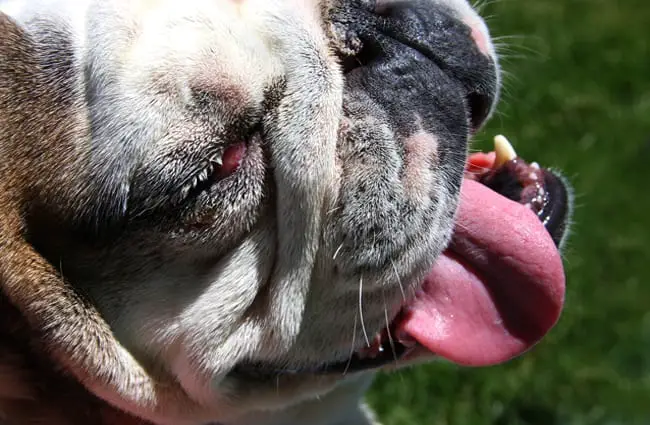
Understanding brachycephalic syndrome is essential for prospective owners. This condition includes several anatomical abnormalities—stenotic nares, an elongated soft palate, and a narrow trachea—that contribute to respiratory distress. Symptoms range from noisy breathing to exercise intolerance and occasional collapse. Surgical correction can relieve some symptoms, but it does not always solve the problem entirely. Owners should be prepared for ongoing veterinary care related to this condition.
Is an English Bulldog Right for You?
English Bulldogs make wonderful companions for the right owners. They are low‑energy, affectionate, and enjoy being part of a family. However, their specific needs and potential health concerns must be considered. If you are prepared to provide a cool environment, a balanced diet, regular veterinary care, and plenty of love, an English Bulldog can bring years of joy to your life.

Interesting Facts
- The oldest Bulldog on record lived to be 16 years old.
- Bulldogs were once used in the sport of badger‑baiting.
- Winston Churchill famously owned a Bulldog named “Puck.”
- Bulldogs have a unique gait, often described as a “rolling” or “waddling” walk.

Final Thoughts
The English Bulldog is a breed steeped in history, possessing a unique charm and a surprisingly gentle soul. While their distinctive appearance and endearing personalities make them incredibly popular, prospective owners must be fully informed about their specific needs and potential health concerns. With proper care and attention, an English Bulldog can be a loving and devoted companion for many years.



![Closeup of a beautiful Red Angus cowPhoto by: U.S. Department of Agriculture [pubic domain]https://creativecommons.org/licenses/by/2.0/](https://animals.net/wp-content/uploads/2020/03/Red-Angus-4-100x75.jpg "Red Angus")