The Unseen World of Mites: Tiny Titans of Biodiversity
Often overlooked, frequently misunderstood, and almost universally present, mites represent an astonishing success story in the animal kingdom. These minuscule arachnids, distant cousins to spiders and ticks, inhabit virtually every corner of our planet, from the deepest oceans to the highest mountains, and even within our own homes. Despite their diminutive size, mites play colossal roles in ecosystems and interact with humans in ways both beneficial and challenging. Prepare to delve into the fascinating, microscopic universe of the mite, an exploration that promises to reveal the hidden complexities of life on Earth.
What Exactly is a Mite?
Basic Biology and Classification
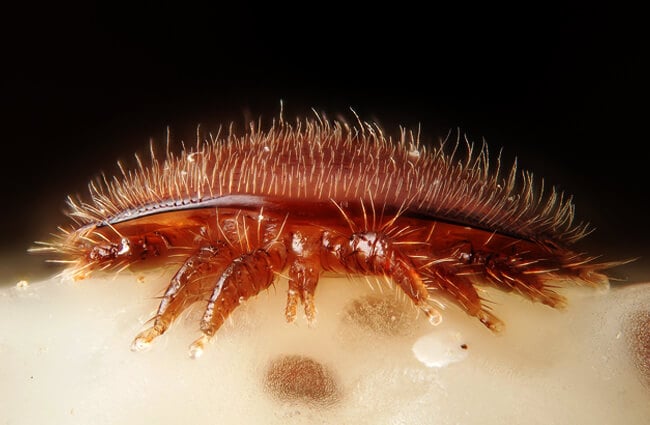
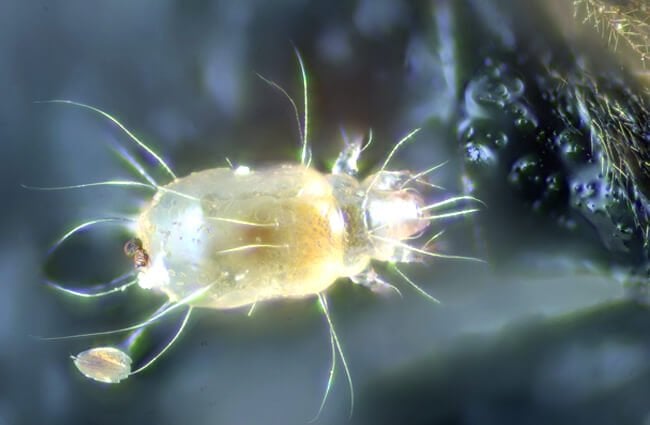
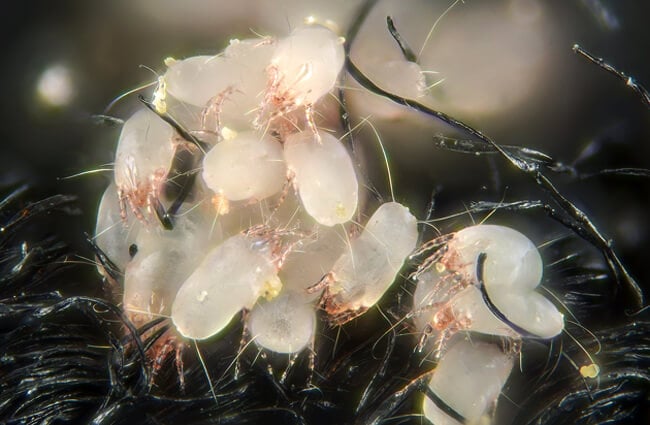
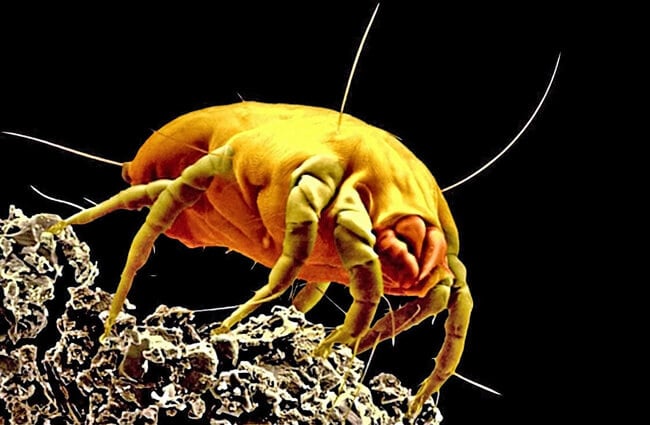
Mites belong to the subclass Acari, a diverse group within the class Arachnida. This means they are not insects, which have six legs and distinct body segments. Instead, mites typically possess eight legs as adults, though some larval stages may have six. Their bodies are usually fused, lacking the clear head, thorax, and abdomen divisions seen in insects. Ranging in size from a mere 0.08 millimeters to a few millimeters, most mites are microscopic, making them invisible to the naked eye. Their incredible adaptability has led to an astounding array of forms and lifestyles, making them one of the most species-rich groups of arthropods.
Where Do Mites Live? A Global Presence
Mite Habitats: From Deserts to Deep Seas
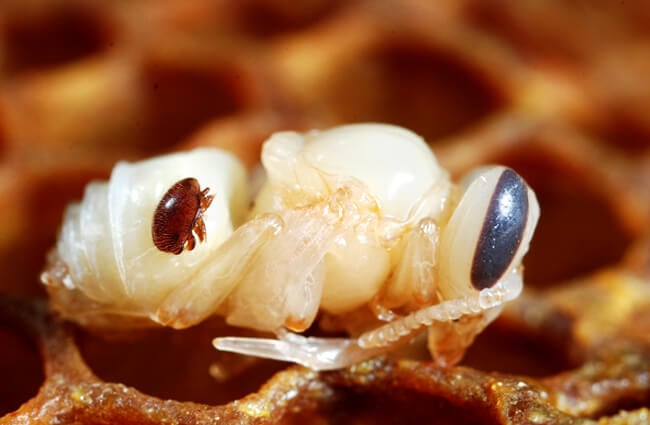
The sheer diversity of mite habitats is truly remarkable. Mites are found in almost every conceivable environment. Many species thrive in soil and leaf litter, where they are crucial decomposers. Others are aquatic, inhabiting freshwater lakes, rivers, and even marine environments. Plant-feeding mites, such as spider mites, are common residents of gardens and agricultural fields. Perhaps most famously, parasitic mites have adapted to live on or within a vast array of hosts, including insects, birds, mammals, and even humans. House dust mites, for instance, are ubiquitous in human dwellings, feeding on shed skin cells. This widespread distribution underscores their evolutionary success and ecological versatility.
![crab-shaped Varroa Destructor Photo by: USGS Bee Inventory and Monitoring Lab [public domain] https://creativecommons.org/licenses/by-sa/2.0/](https://animals.net/wp-content/uploads/2020/01/Mite-4-650x425.jpg)
The Mite’s Menu: A Diverse Diet
What Do Mites Eat?
The dietary habits of mites are as varied as their habitats. This adaptability in feeding strategies contributes significantly to their ecological roles. Many mites are predatory, actively hunting and consuming other small arthropods, including other mites, insect eggs, and tiny larvae. These predatory mites are often considered beneficial in agriculture for natural pest control. Other mites are herbivorous, feeding on plant sap, fungi, or algae, sometimes causing significant damage to crops. A large group of mites are detritivores, playing a vital role in decomposition by consuming decaying organic matter, such as dead skin cells, pollen, and fungal spores. Finally, parasitic mites feed on the blood, lymph, or tissues of their hosts, leading to a range of conditions from mild irritation to severe disease.
Life Cycle of a Mite: Tiny Beginnings
Mating and Reproduction
Mite reproduction is a fascinating process, often characterized by rapid life cycles and high reproductive rates. Most mites reproduce sexually, with internal fertilization. Mating rituals can vary greatly among species, from simple encounters to elaborate courtship displays involving pheromones and specialized structures. Females typically lay eggs, which hatch into a six-legged larval stage. These larvae then molt into one or more eight-legged nymphal stages before reaching adulthood. The entire life cycle, from egg to adult, can be completed in a matter of days or weeks, depending on the species and environmental conditions. This rapid turnover allows mite populations to grow quickly, a factor that contributes to their success as both pests and beneficial organisms.
Mites in the Ecosystem: Small but Mighty Roles
Ecological Contributions and Interactions
Despite their size, mites are indispensable components of nearly all ecosystems. As decomposers, soil mites are critical for nutrient cycling, breaking down organic matter and enriching the soil. Predatory mites serve as natural biological control agents, helping to regulate populations of plant pests, including other mites and small insects. Conversely, parasitic mites can act as population regulators for their hosts, and some species are vectors for diseases, impacting host health and survival. Mites also form a significant part of the diet for many larger invertebrates, such as spiders and predatory insects, demonstrating their foundational role in food webs. Their interactions are complex and far-reaching, influencing everything from plant health to soil fertility.
Mites and Humans: A Complex Relationship
Interaction with Human Health and Economy
The human relationship with mites is a mixed bag of challenges and benefits. On the challenging side, dust mites are a major cause of allergies and asthma worldwide, as their fecal matter and body fragments become airborne and inhaled. Scabies mites burrow into human skin, causing intensely itchy rashes. Chiggers, the larval stage of certain mites, attach to skin and inject digestive enzymes, leading to irritating welts. In agriculture, spider mites are notorious pests, damaging a wide variety of crops and ornamental plants. Perhaps one of the most significant threats comes from Varroa destructor mites, which parasitize honey bees, weakening colonies and contributing to colony collapse disorder, a serious concern for global food security. However, not all interactions are negative. Predatory mites are widely used in integrated pest management programs to control agricultural pests naturally, reducing the need for chemical pesticides. Some mites even live harmlessly on human skin, such as Demodex mites in hair follicles, typically causing no issues.
Mites in Human Culture
While mites rarely feature prominently in folklore or art due to their microscopic nature, their impact on human health and agriculture has certainly shaped cultural practices. The awareness of dust mites has led to specific cleaning regimens and allergen-reduction strategies in homes. The struggle against agricultural pests has driven innovation in biological control, often involving beneficial mites. In a broader sense, mites represent the unseen world, a constant reminder of the vast biodiversity that exists beyond our immediate perception, inspiring scientific curiosity and a deeper understanding of life.
An Aspiring Zoologist’s Guide to Mites
Evolutionary Journey of Mites
The evolutionary history of mites is ancient and complex, tracing back hundreds of millions of years. Fossil evidence suggests that mites were present in the Devonian period, over 400 million years ago, making them one of the oldest terrestrial arthropod groups. Their incredible diversification is a testament to their adaptability, evolving specialized mouthparts, body forms, and life cycles to exploit every available niche. This long evolutionary journey has resulted in an estimated 50,000 described species, with many more awaiting discovery. Studying mite evolution involves examining their morphology, genetics, and ecological associations, revealing patterns of co-evolution with plants, animals, and even fungi.
Finding Mites in the Wild
For the animal lover or aspiring zoologist keen on observing mites, a powerful microscope is an essential tool. Mites are everywhere, but seeing them requires magnification. Here are some tips for finding them:
- Soil and Leaf Litter: Collect samples of soil, moss, or decaying leaves. Place a small amount on a white surface and examine it under a dissecting microscope. Many oribatid mites, crucial decomposers, can be found here.
- Plants: Inspect the undersides of leaves, especially those showing signs of damage like stippling or webbing. Spider mites are common plant pests and can be seen with a hand lens, but a microscope reveals their intricate details.
- Aquatic Environments: Collect water samples from ponds or streams. Water mites are often brightly colored and can be quite active under the microscope.
- Host Animals: With caution and appropriate ethical considerations, examine the fur, feathers, or skin of other animals for parasitic mites. This often requires specialized techniques and should ideally be done by trained professionals or with veterinary guidance.
Encountering Mites: What to Do
Most mites encountered in the wild are harmless to humans. If you find mites on yourself or a pet, it is important to identify the species if possible. For common parasitic mites like chiggers or scabies, prompt treatment with over-the-counter remedies or medical consultation is advisable. When observing mites in their natural habitat, such as soil or on plants, simply appreciate their presence and ecological role. Avoid disturbing beneficial predatory mites, as they contribute to a healthy ecosystem. If you suspect a mite infestation on plants or animals, research specific control methods appropriate for the species and situation, prioritizing non-toxic or biological solutions where possible.
Caring for Mites: A Zookeeper’s Perspective
Captive Mite Management
Caring for mites in captivity is a highly specialized task, typically undertaken in research laboratories or facilities that breed beneficial mites for biological control. It is not a common practice for general zookeepers, as most mites are too small for public display and require very specific conditions. However, for those involved in such work, here are key considerations:
- Environmental Control: Mites are highly sensitive to temperature and humidity. Specific ranges must be maintained for each species to ensure optimal reproduction and survival. Specialized incubators and humidity chambers are often required.
- Dietary Requirements: The diet must precisely match the mite’s natural feeding habits.
- For predatory mites, this means a continuous supply of their specific prey, such as other mite species or insect eggs.
- For herbivorous mites, fresh plant material or specific fungal cultures are necessary.
- For detritivores, a substrate rich in organic matter, such as yeast or shed skin, might be provided.
- Isolation and Containment: Due to their small size and rapid reproduction, mites can easily escape and contaminate other cultures or spread to unwanted areas. Strict containment protocols, including sealed enclosures and careful handling procedures, are crucial.
- Avoidance of Contaminants: Mites are extremely susceptible to pesticides and other chemicals. A sterile environment and careful sourcing of food and substrate are paramount to prevent accidental poisoning.
- Monitoring: Regular monitoring of population health, reproduction rates, and environmental parameters is essential for successful captive breeding.
Fascinating Mite Facts
- Smallest Arthropods: Many mite species are among the smallest arthropods on Earth, pushing the limits of multicellular life.
- Follicle Dwellers: Two species of Demodex mites live harmlessly in the hair follicles and sebaceous glands of most adult humans, typically without causing any symptoms.
- Extreme Survivors: Some mites can enter a state of suspended animation, allowing them to survive extreme dehydration or freezing temperatures for extended periods.
- Ancient Lineage: Mites have been around for hundreds of millions of years, predating many insect groups.
- Incredible Diversity: Scientists estimate there could be over a million mite species globally, with only a fraction currently described.
- Microscopic Hitchhikers: Many mites are phoretic, meaning they hitchhike on larger insects to disperse to new habitats.
Conclusion: The Enduring Legacy of the Mite
From their ancient origins to their ubiquitous presence today, mites are a testament to the power of adaptation and diversification. These tiny arachnids, often overlooked or maligned, are in fact vital threads in the intricate tapestry of life. They decompose, they predate, they parasitize, and they persist, shaping ecosystems and influencing human lives in countless ways. Understanding mites is not just about appreciating the microscopic world, it is about gaining a deeper insight into the fundamental processes that govern our planet. So, the next time you hear the word “mite,” remember the incredible diversity, ecological importance, and enduring legacy of these truly tiny titans.
![Closeup of a beautiful Red Angus cowPhoto by: U.S. Department of Agriculture [pubic domain]https://creativecommons.org/licenses/by/2.0/](https://animals.net/wp-content/uploads/2020/03/Red-Angus-4-100x75.jpg "Red Angus")